End-to-End Apparel Manufacturing for Walmart Sellers

As a dedicated private label clothing manufacturer and Walmart apparel supplier, we support Walmart Marketplace vendors and retail suppliers in building their own lines. Our process begins with your reference material, whether that is a detailed tech pack, a rough sketch, or a physical sample targeted for improvement.
Our USA-based production facility manages the entire lifecycle: pattern development, material sourcing, fit sampling, and bulk cut-and-sew. We execute all printing, branding, and retail-ready packing before delivering finished inventory directly to your designated 3PL or fulfillment center.
Low-volume initial runs allow you to validate product performance without the risk of heavy upfront inventory. Once sales data confirms a style, production scales to meet demand while maintaining the established fit and quality standards.
Style • Comfort
Who We Manufacture For
- Walmart Marketplace sellers move off generic blanks onto their own fit and label
- Existing Walmart vendors want a second source if their current factory slips.
- Apparel startups building a first line ahead of a retail launch.
- Retail brands expanding from their own site into mass retail
- Importers and distributors supplying big box accounts under private labels
- Consumer product companies adding apparel to a catalog built around other goods
- Ecommerce sellers stepping up from print on demand into real production
Manufacturing Problems Walmart Sellers Run Into
Selling into a large retailer pushes the pressure back onto the factory. The issues below cause most of the trouble we see when brands move production to us.
| Where it goes wrong | How we work around it |
| Quality slips between the first order and the reorder | The approved sample is sealed and stored, so later runs get measured against a physical garment |
| Cartons get flagged at receiving | Packing follows your written specification, and barcode labels are scan evaluated before any carton closes |
| The jump from sample to bulk goes badly | Cutting waits for pre-production approval, and the first bundle off the line is checked before sewing continues |
| Stock lands after the selling window | A dated schedule covers fabric, cutting, sewing, and packing, not one delivery date |
| No paper trail exists when a fault appears | Fabric lot numbers stay tied to cutting tickets, so a defect traces back to a batch |
| Sizes vary across colors or batches | Every size carries a stated tolerance, checked at cutting, sewing, and final inspection |
What Retail Ready Means for Your Order
As a retail-ready apparel manufacturer, retail-ready means goods arrive folded, tagged, bagged, barcoded, and cartoned to a written specification, ready for fulfillment without being opened and reworked. Repacking a shipment in your own warehouse costs more per unit than packing it correctly on the factory floor.

Barcode work starts on your side. You purchase your own GTIN numbers, assign one per size and color combination, then send us the SKU list. GTINs are issued through GS1 US, the organization that administers UPC and GTIN standards, so obtain and verify your numbers there before sending your list. We print the labels, apply them where your specification calls for them, and scan test before packing, because a label failing at receiving gets the shipment managed twice at your expense.
Labeling covers neck labels, care, and content labels, hang tags, price tickets, and poly bags carrying the standard suffocation warning.
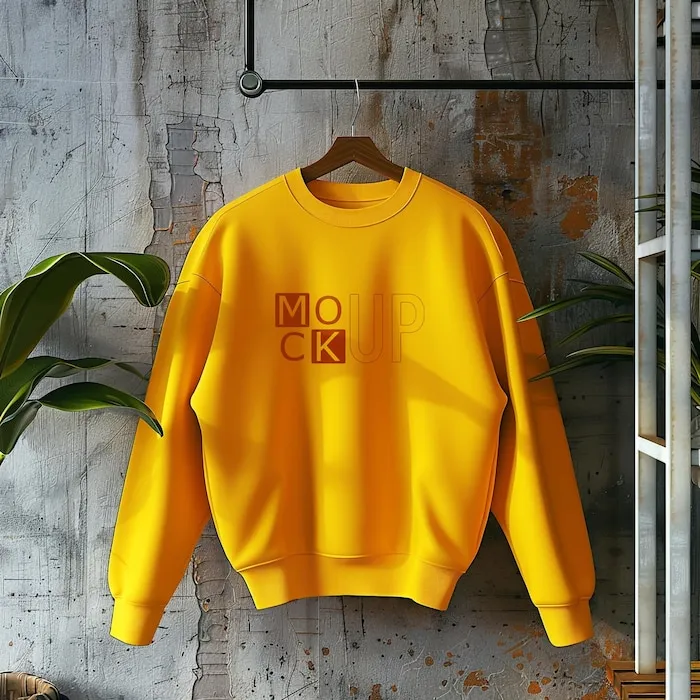
Cartons ship in the case configuration you specify, with master labels showing SKU, quantity, purchase order number, and carton count. If your account runs on prepack ratios, send the size curve you want per carton, since replenishment moves faster when the box matches what sells.
Retailer packaging rules change without much warning. Pull the current specification from your seller or vendor account before we print, because we build the document in front of us. Confirm the latest requirements through the official Walmart Marketplace resources before your order goes into packing.
Apparel Manufacturing Capabilities for Walmart Sellers
- Product development from a sketch, a garment, or an idea described on a call
- Tech pack review, flagging anything unclear before you spend money on sampling
- Pattern making, digitizing, and grading across your chosen size run
- Fabric sourcing across cotton, blends, fleece, performance knits, and sustainable options
- Weight, shrinkage and wash testing, with the allowance built into the pattern
- Lab dips and approved color standards, holding dye lots close across reorders
- Sampling with fit revisions until the garment measures inside tolerance
- Cut and sew manufacturing, OEM production to your tech pack, ODM production from an existing block
- Screen printing, sublimation, and embroidery
- Private label branding across labels, tags, and packaging
- Delivery to your warehouse, fulfillment center or 3PL
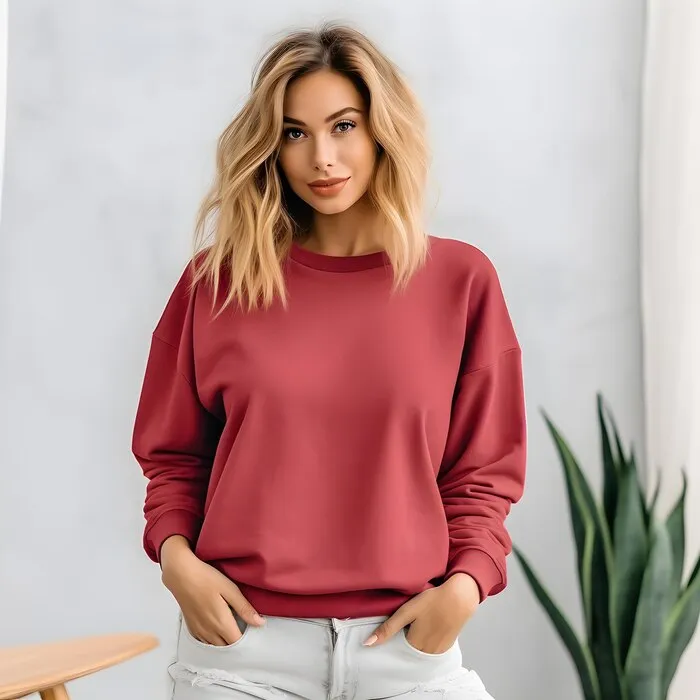
Products We Make
Our standard production covers t-shirts, hoodies, sweatshirts, and polos, alongside activewear, leggings, shorts, and joggers. We also manufacture tracksuits, uniforms, children’s and baby apparel, sleepwear, undergarments, hosiery, headwear, and seasonal lines.
Apparel for children entering the US market must adhere to federal safety standards regarding lead, flammability, small components, and drawstrings. These regulations require third-party verification and a Children’s Product Certificate (CPC) done by the client. Ensure your launch schedule accounts for these mandatory testing windows.
Retail Readiness Checklist
Work through these before committing to bulk.
✓ Product developed and costed to target margin
✓ Tech pack approved
✓ Fabric confirmed, weighed, wash evaluated
✓ Color standards signed off from lab dips
✓ Size specifications verified across the grade
✓ Pre-production sample approved and sealed
✓ GTIN numbers purchased and assigned per SKU
✓ Packaging specification received from the account
✓ Inline inspection completed
✓ Final inspection completed against spec
✓ Barcode labels applied and scan evaluated
✓ Hang tags and poly bags fitted
✓ Carton labels printed and ratios confirmed
✓ Shipping documentation prepared
✓ Final packing review signed off
How We Lower Your Production Risk
| Common risk | What we do about it | What it saves you |
| Garments shrink out of spec after the first wash | Wash testing, with the allowance built into the pattern | Fewer size complaints and lower returns |
| Color drifts between dye lots | An approved color standard matched at every run | A range that still reads as a set |
| A fault surfaces after the run is sewn | Inspection at the first bundle off the line | An error caught at twenty pieces, not two thousand |
| Packing misses the retailer spec | Barcode and carton check before closing | Fewer receiving problems and chargebacks |
| Fabric arrives late and pushes dates back | Fabric booked and inspected before cutting | Stock landing inside your selling window |
| A style sells quicker than forecast | Patterns, standards, and supplier already on file | Reorders that skip development entirely |
How We Keep Quality Consistent Across Every Run
Quality assurance runs through every stage of your order, not as a final gate before shipping. Fabric is inspected on arrival and checked against weight and shrinkage standards before cutting begins.
The first bundle off the sewing line is measured against the graded specification, so a construction fault surfaces at 20 pieces instead of 20,000. Inline inspection continues as sewing progresses, and finished units are measured against your written tolerances at final inspection.
Recorded measurements replace visual judgment, which is where consistency usually breaks down between the first order and the reorder. Fabric lot numbers stay tied to cutting tickets, giving every batch a paper trail if a defect ever needs tracing.
Inspection reports and photographs are shared during the run, so issues are addressed before delivery, not discovered after.
We Support To Brands
Our Production Process
- Consultation covers the product, target landed cost and timing.
- Product development turns reference material into a workable garment spec.
- Tech pack review flags gaps in measurements, trims, or construction.
- Fabric selection settles weight, composition, and supplier before final costing.
- Sampling produces a first garment for fit and construction review.
- Fit revisions continue until the sample measures within tolerance.
- Pre-production approval seals the reference sample and releases cutting.
- Bulk production runs on approved patterns and marker layouts.
- Inline inspection checks measurements as sewing progresses.
- Final inspection covers finished units against the graded specification.
- Retail packing applies your labeling, bagging, and carton spec.
- Documentation and shipping close the order and record batch details.
A named contact stays with the order across all twelve stages.
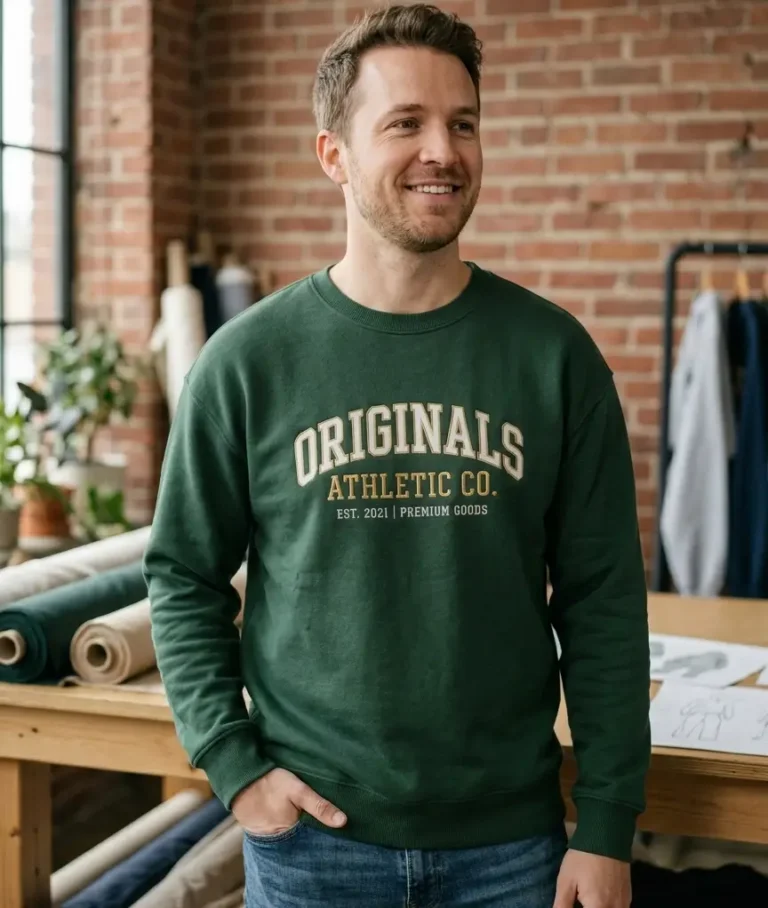
Why Walmart Sellers Choose Seam Apparel
As an experienced Walmart clothing manufacturer, we build production around the operational realities of supplying a major retailer:
- 100 units per color and design with 2-3 mixed sizes driven by fabric batch sizes, not an arbitrary floor, so basic knits start lower than technical fabrics
- 500,000 – 5,000,000 pieces capacity to absorb a larger reorder once a listing moves
- Retail packing finished at the factory instead of your warehouse
- Measurement tolerances agreed in writing before cutting begins
- Inspection reports and photographs shared during the run, not after delivery
- Reorders built from stored patterns, sealed samples, and the same supplier
- 10+ Years in business
- Worldwide shipment
- 80% Repeat client percentage
FAQs – Walmart Apparel Manufacturing
Frequently Ask Question
Ready to Manufacture Apparel for Walmart Sales?
Initiate the process by submitting your tech pack, design sketch, or physical reference along with target volumes. As a clothing manufacturer for retailers, our specialists will provide appropriate material sources, land cost per unit, and a detailed manufacturing timeline. For development still in the conceptual phase, we can begin with a consultation call to refine your specification.
Yes, and it makes up a steady share of our work. We produce private label apparel for brands listing on Walmart Marketplace and for brands supplying Walmart stores. Supplier requirements differ by channel, so check the official Walmart supplier information for the standards that apply to your account. As an independent factory with no connection to Walmart, we cannot influence your seller account. Our role is building the product and packing it to the specification you provide.
Your brand goes on the neck label, hangs tags, poly bags, and cartons across every order. OEM production means we build your design from your tech pack. ODM production means you start from an existing style of ours and change the fabric, fit, or trims until the garment belongs to you.
Send it in whatever format you already have. Our team reviews measurements, seams, trims, stitch types, and fabric calls, then raises questions before sampling begins rather than halfway through it. Brands without a tech pack are not stuck, since we can build one from sketches, reference images, or a garment you mail to us.
100 units per color and design with 2-3 mixed sizes move with fabric and trims, because mills knit and dye in set batch sizes, and that batch often sets the floor rather than the sewing line. Basic jersey starts lower than heavy fleece or performance knit. Share your style and target volume for an exact figure.
Sampling takes 15-20 business days, and bulk production runs about 25-30 business days from sample approval. Printing, embroidery, and custom-developed fabric extend that. Reorders move quicker because patterns, color standards, and specifications are already on file. You receive a dated schedule with milestones before production opens, not a single delivery date.
Folding, poly bags, hang tags, price tickets, barcode labels, and carton labels are all managed here, packed to the specification you send us. Forward the current packaging document from your retailer account before printing starts. These requirements get revised periodically, and we build to whichever version you place in front of us.
We print and apply barcode labels from the numbers you supply, then scan and evaluate them before cartons close. You buy your own GTIN numbers, assign one to every size and color combination, and send across the finished SKU list. Issuing or reselling barcode numbers is outside what a factory is permitted to do.
The approved pre-production sample gets sealed and kept as the physical reference for every run that follows. Fabric is inspected on arrival, garments are checked during sewing, and finished units are measured against the graded specification. Recorded measurements replace visual judgment, which is where consistency usually breaks down between batches.
Sampling comes before every new style, and skipping it costs far more than it saves. Fit problems, fabric weight issues, and construction faults are cheap to correct at one unit and expensive at two thousand. Revisions continue until you are satisfied, and bulk cutting only begins once you approve the sample.
Start with a small run to evaluate how a style performs, then reorder at higher volume once the sales data supports it. Patterns, color standards, and the fabric supplier carry forward, so later runs match the original. Give advance notice ahead of seasonal peaks so capacity can be reserved for you.