What is Neoprene fabric? What it is, how it’s made, and where it’s used
Neoprene is a new type of performance fabric that is noted for...
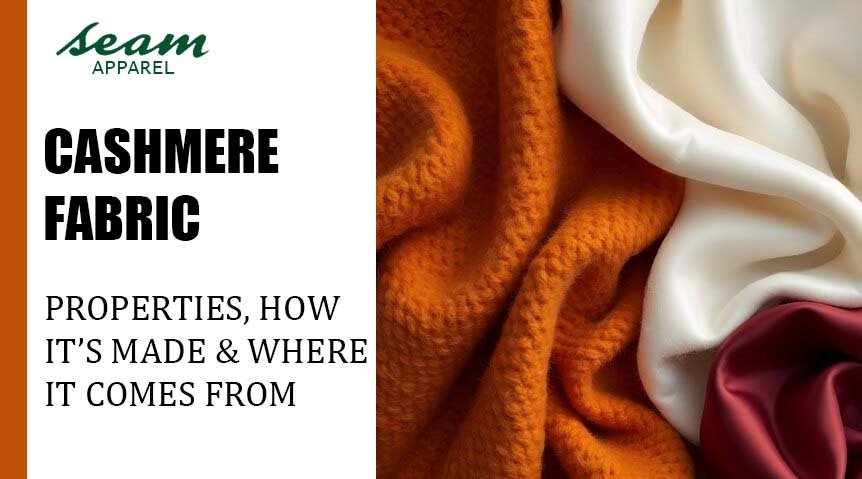
Cashmere is one of the most admired luxury fibers in the fashion world. It is known for its exceptional softness, lightweight warmth, and premium feel. From high-end sweaters to refined accessories, cashmere fabric is often associated with quality, comfort, and timeless style. Globally, the fashion luxury cashmere clothing market was valued at around $137.33 billion in 2024 and is projected to grow further in 2025, reflecting strong consumer demand for premium textiles like cashmere. But beyond its market value lies the real appeal: unmatched softness, lightweight warmth, and a refined texture that elevates any garment.
Understanding what cashmere fabric is helps fashion startups, boutique owners, and apparel brands make smarter decisions about sourcing and design.
In this guide, we explain cashmere’s origins, key properties, production process, sustainability considerations, and practical uses — with insights tailored to the US fashion market. It is written for fashion brands, designers, sourcing managers, students, and shoppers in the USA who want a clear and practical understanding of cashmere material.
Cashmere fabric is made from the fine undercoat fiber of cashmere goats. This soft down layer grows beneath the goat’s outer hair and helps protect it from extreme cold climates.
While both cashmere and wool come from animal fibers, they are quite different in feel and performance.
Because cashmere goats produce a limited amount of usable fiber each year, cashmere material is rare. This limited supply is one of the main reasons why cashmere is expensive compared to regular wool.
Cashmere is also:
These qualities make it highly desirable for luxury and premium apparel collections in the US market.
Understanding cashmere properties is essential for brands and designers when evaluating whether this luxury fiber fits their product strategy. Cashmere is valued not only for its premium image but also for its functional performance, comfort, and refined appearance. These qualities directly influence garment pricing, customer satisfaction, and long-term wearability.
Because cashmere fibers are naturally fine and lightweight, they create fabrics that feel soft without being bulky. This makes cashmere material especially suitable for premium apparel collections in the US market, where comfort, versatility, and quality are key buying factors.
| Property | Description |
|---|---|
| Softness | Extremely soft due to its exceptionally fine fiber diameter, making it gentle on sensitive skin |
| Weight | Lightweight yet highly insulating, allowing warm garments without heavy layers |
| Warmth | Provides up to three times more warmth than sheep wool of similar thickness |
| Breathability | Regulates body temperature by allowing air circulation and moisture release |
| Hypoallergenic | Low lanolin content reduces irritation and itching compared to traditional wool |
| Drape | Falls naturally on the body, creating clean lines and an elegant silhouette |
| Hand Feel | Luxurious, smooth, and rich to touch, enhancing perceived garment value |
| Durability | Strong and resilient fibers when properly spun and finished |
| Pilling | Can form pills over time, especially in lower-grade or loosely spun cashmere |
These characteristics of cashmere make it ideal for garments worn close to the skin, such as sweaters, pullovers, scarves, and wraps. For brands focused on premium comfort and long-lasting quality, cashmere fabric delivers a balance of softness, warmth, and visual refinement that few other natural fibers can match.
Many people ask, how is cashmere made and why the process is so specialized. The answer lies in careful harvesting and skilled processing.
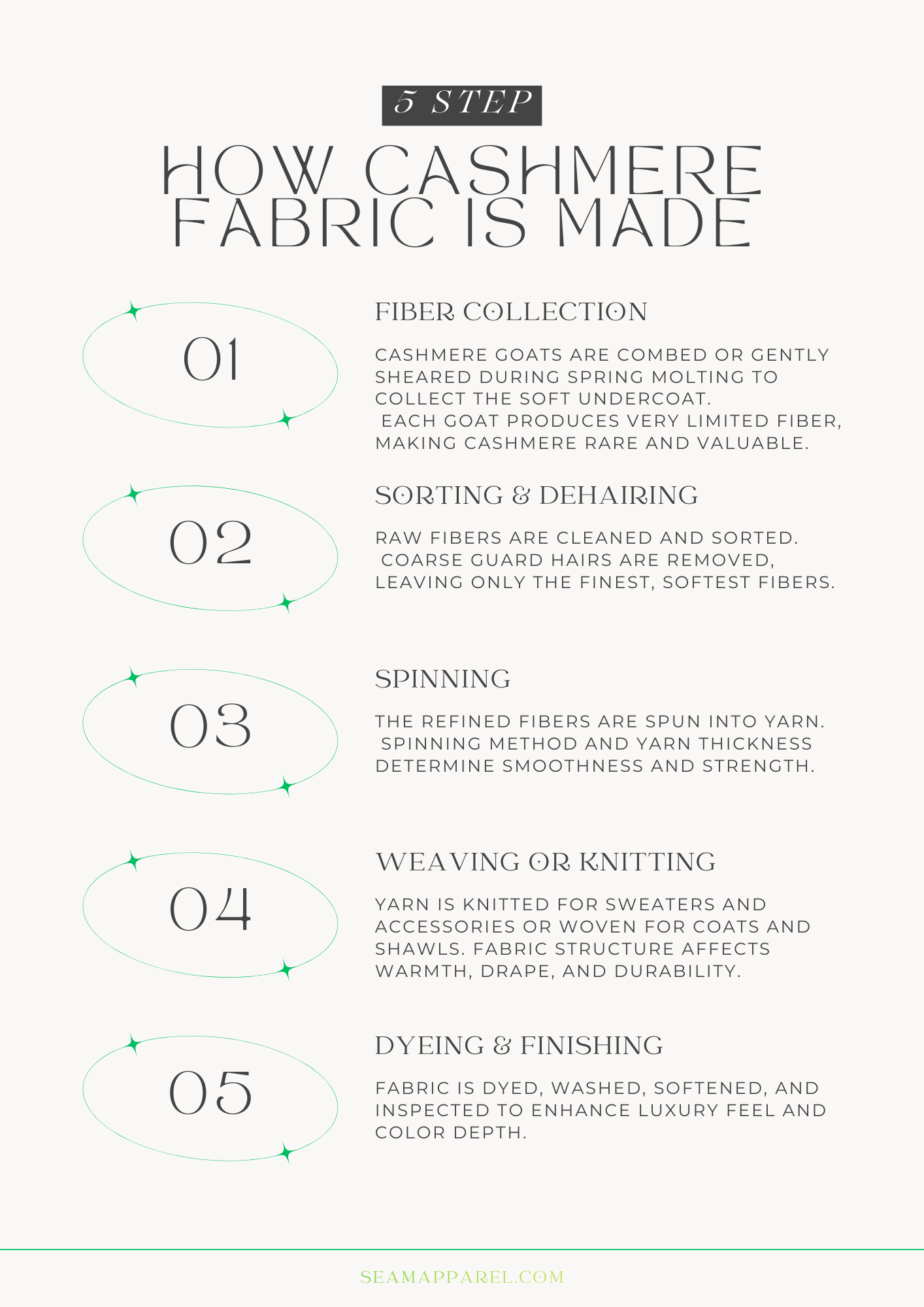
Cashmere goats naturally shed their soft undercoat during spring molting season.
This limited yield directly affects pricing and availability.
Once collected, the raw fiber is cleaned and sorted.
This step plays a major role in determining the final quality grade.
After dehairing, fibers are spun into yarn.
This stage defines how smooth and strong the final yarn will be.
Cashmere yarn is transformed into fabric.
Knit density and stitch quality affect warmth, drape, and durability.
The final step improves softness and appearance.
This complete process explains how cashmere is produced from raw fiber to finished fabric.
Not all cashmere fibers offer the same level of softness, durability, or luxury. Understanding the different types of cashmere is important for buyers, designers, and apparel brands when selecting the right material for their product range. Factors such as fiber fineness, sourcing method, and blending directly affect fabric performance, pricing, and end use.
For US-based brands, choosing the right type of cashmere helps align product quality with customer expectations and retail positioning.
Cashmere is commonly classified into grades based on fiber diameter (measured in microns). Finer fibers feel softer, insulate better, and command higher prices.
| Type | Micron Count | Softness | Price Level | Best Use |
|---|---|---|---|---|
| Grade A | 14–16 microns | Ultra-soft | Highest | Luxury sweaters, scarves, premium knitwear |
| Grade B | 18–19 microns | Soft | Medium | Everyday knitwear, layered garments, blends |
| Grade C | 20+ microns | Coarser | Lower | Entry-level garments, cost-focused collections |
Understanding this cashmere grading system helps brands maintain consistency and quality across collections.
Beyond grading, cashmere is also categorized by how it is sourced or processed.
Each type of cashmere serves different price points, performance needs, and brand goals. Selecting the right option ensures the final garment meets both quality expectations and commercial requirements.
A common comparison in textile sourcing is cashmere vs wool.
| Feature | Cashmere | Wool |
|---|---|---|
| Fiber Size | 14–19 microns | 25–40 microns |
| Softness | Incredibly soft | Varies |
| Warmth | Up to 3x warmer | Standard |
| Weight | Lightweight | Heavier |
| Texture | Smooth | Can feel coarse |
| Price | High | Lower |
Cashmere is ideal for premium garments, while wool offers durability and affordability for everyday wear.
Cashmere is widely regarded as a premium textile, but like any material, it comes with both benefits and limitations. Understanding the advantages and disadvantages of cashmere fabric helps apparel brands, designers, and sourcing teams make informed decisions based on product goals, pricing strategy, and customer expectations.
For clothing brands, success with cashmere depends on balancing performance, pricing, and ethical sourcing standards. When used thoughtfully, cashmere can deliver long-term value and strong market appeal.
Many buyers ask, is cashmere sustainable? The answer depends on sourcing and production practices.
Brands should look for:
Choosing certified suppliers supports environmental protection and ethical treatment of animals.
Cashmere is widely used across luxury and premium apparel categories due to its softness, warmth, and refined appearance. Its lightweight nature and excellent insulation make it suitable for both cold-weather garments and transitional-season pieces. For fashion brands in the US market, cashmere offers flexibility in design while maintaining a high-end look and feel.
Knitwear is the most common and recognizable use of cashmere fabric. The fiber’s natural elasticity and softness make it ideal for knitted garments that prioritize comfort and elegance.
Cashmere knitwear is often positioned as a core product in premium collections due to its timeless demand.
Cashmere accessories are highly valued for their direct contact with the skin and their ability to provide warmth without irritation.
Accessories also allow brands to offer entry-level cashmere products at more accessible price points.
Beyond knitwear and accessories, cashmere is increasingly used in structured and tailored garments.
Its versatility makes cashmere suitable for both seasonal collections and timeless staples, helping brands create premium garments that retain value and relevance over time.
Proper care extends the life of cashmere garments.
Good care preserves softness and shape for years.
Before choosing cashmere, brands should consider:
Cashmere works best for brands focused on premium quality and long-term value.
For brands exploring luxury fibers, Seam Apparel supports custom cashmere and wool production with a focus on quality and consistency. Services include knitwear manufacturing, fabric sourcing assistance, pattern development, and sampling for both small and bulk orders.
With experience in premium textiles, Seam Apparel helps fashion brands turn refined material choices into well-executed products that meet US market expectations.
Understanding what cashmere fabric is helps designers, brands, and buyers make smarter sourcing decisions. From its origins and production to its properties and sustainability considerations, cashmere remains one of the most valued luxury fibers in modern apparel. When used responsibly, it delivers unmatched comfort, warmth, and elegance.
Neoprene is a new type of performance fabric that is noted for...
Flannel fabric has become extremely popular as clothes that are comfortable become...

Denim fabric is one of the most recognized textiles in the global...
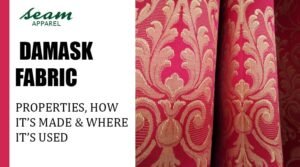
Damask fabric is one of the most recognized woven textiles in fashion...
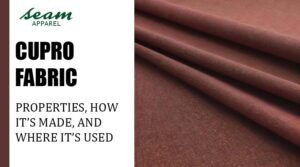
Cupro fabric is gaining attention as a premium, silk-like material used in...