What Is Shantung Fabric?
Shantung cloth has a sharp feel, a faint gloss, and a texture...
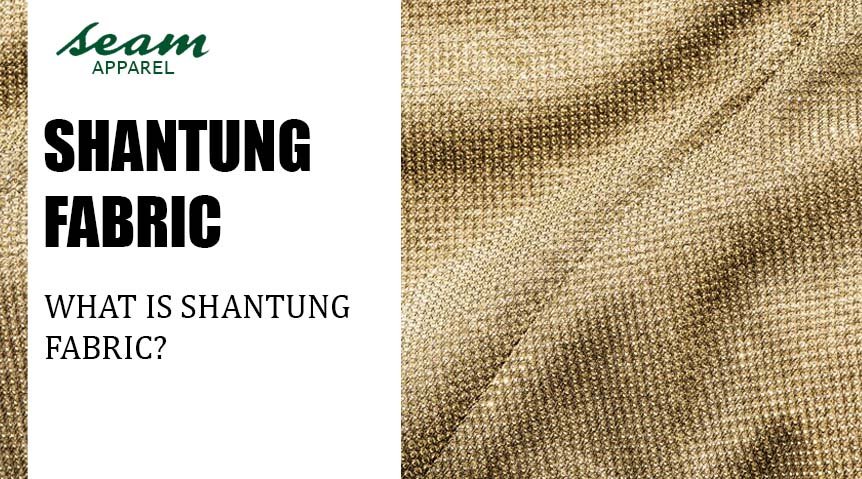
Shantung cloth has a sharp feel, a faint gloss, and a texture that isn’t quite smooth. Its structured surface and exquisite design make it a great choice for high-end and formal clothes. The worldwide luxury fabric industry is expected to increase quickly, reaching around $9.09 billion by 2030. This is because more people want high-end fashion materials and exceptional craftsmanship.
The natural slubs in this fabric make it stand out. These are little, uneven bumps in the yarn that lend depth and dimension. Shantung is different from smooth silk because it has character. It looks elegant yet not too shiny. That balance is what makes it so popular in high-end fashion, bridal collections, and formalwear.
This guide will tell you what Shantung fabric is, how it’s created what its main features are, and where it’s best used. You’ll also learn how it stacks up against other silk fabrics and why high-end businesses keep choosing it. We’ll also look how Seam Apparel is the right choice for you.
Shantung fabric is a woven textile traditionally made from silk. The name comes from the Shandong region in China, where it was first produced. Over time, the term has also been used for similar fabrics made from polyester or blended fibers.
At its core, Shantung fabric is defined by three things:
| Feature | Description |
|---|---|
| Fiber Base | Originally silk, now also polyester or blends |
| Texture | Slightly rough with visible slubs |
| Finish | Crisp with a soft sheen |
The slubs are created by using uneven yarns. These thicker and thinner sections run across the fabric. This is what gives Shantung its unique textured silk look.
The simplest answer to the question “What is shantung fabric?” is that it is a structured woven fabric with a natural texture and a soft shine that is often used in formal clothes.
Shantung fabric comes from the Shandong province in China. This fabric was made by local weavers using raw silk. The slubbed texture came from the fact that the silk threads weren’t all the same.
People didn’t think this irregularity was a problem in the beginning. It was a part of what made the fabric unique. As trade flourished around the world, Shantung silk cloth made its way to Europe and America. Designers appreciated how it appeared and felt clean and sharp.
In the 20th century, Western fashion businesses began to make dresses, suits, and other clothing out of Shantung. Later, businesses produced versions that had polyester and other materials blended in. These options make the fabric easier to find while preserving its rough character.
Shantung is still an essential fabric in both old-fashioned silk production and modern textile mills.
The way Shantung is made is what makes it so beautiful. The process is planned and careful.
Choosing fiber is the first step. Some choices are:
Silk mixes, polyester, and pure silk
Blends of cotton
The best choice is Silk Shantung. Synthetic versions are cheaper and easier to care for.
The yarn is spun in a way that makes it unevenly thick. Some parts are thicker than others. These differences make the slubs that make Shantung fabric what it is.
A loom is used to weave the strands together in a simple way.
The fabric is finished to enhance its crispness. It may be lightly pressed or treated to set the texture. Silk versions keep a natural sheen, while synthetic versions can appear slightly more uniform.
The slubs are not defective. They are part of the design. They give Shantung fabric its signature identity.
Also check our blog about Flannel Fabric.
There are several variations available in the market.
Made from natural silk fibers.
Made from synthetic fibers.
Combines cotton with silk or synthetics.
| Type | Best For |
|---|---|
| Lightweight | Blouses, summer dresses |
| Medium Weight | Cocktail dresses, skirts |
| Heavy Weight | Bridal gowns, structured outfits |
Each type has a particular design objective. The option relies on what the clothing is for.
Shantung fabric has distinct performance features.
| Property | Explanation |
|---|---|
| Crisp Texture | Holds shape well |
| Slight Sheen | Soft glow, not glossy |
| Structured Drape | Stands away from the body |
| Breathability | Good in silk versions |
| Wrinkle Resistance | Moderate, depends on fiber |
Silk Shantung offers natural breathability. Polyester Shantung offers better wrinkle resistance. The choice depends on the garment’s purpose.
Every type of fabric has its pros and cons.
For luxury brands, the advantages often outweigh the drawbacks.
Shantung fabric is widely used in occasion wear and interiors.
Its crisp structure makes it ideal for garments that require volume or clean lines.
Designers often compare Shantung with other silk textiles.
| Feature | Shantung | Dupioni | Satin Silk | Organza |
|---|---|---|---|---|
| Texture | Slubbed, crisp | Slubbed, slightly heavier | Smooth | Sheer and crisp |
| Sheen | Subtle | Soft | High gloss | Light shine |
| Structure | Structured | Structured | Fluid | Stiff and sheer |
Shantung and Dupioni both have slubs, but Dupioni tends to be heavier. Satin silk is smooth and glossy. Organza is transparent and lightweight.
For designers seeking structure with texture, Shantung is often the preferred choice.
Sustainability depends on fiber content.
Silk production can support slow fashion because the fabric is durable and long-lasting. Responsible sourcing practices also improve environmental impact.
Brands that value sustainability should ask suppliers about fiber origin and production methods.
Shantung continues to appear in bridal and couture collections. Its structure supports sculpted shapes. Designers use it for:
The fabric has a light sheen that adds depth without being too shiny. It looks great in pictures taken in natural light and in a studio. That makes it a popular choice for weddings and other formal events.
As a private label manufacturer, choosing the right fabric is an important design choice at SEAM Apparel, not an afterthought. People choose high-end fabrics like Shantung based on how they look, feel, and work.
Our team knows a lot about woven silk and other specialty fabrics. Careful sourcing makes sure that the texture and quality are always the same. We choose each material based on the garment’s purpose, shape, and what the customer wants.
Fabrics that make the final piece better are important for design-driven brands. Shantung supports that goal with its balance of elegance and structure.
1. What is Shantung fabric made of?
Traditionally, silk is used to make shantung fabric. You can also make it with a mix of polyester and cotton or other fibers. Silk Shantung has a natural sheen and breathability, but synthetic versions are cheaper and better at resisting wrinkles.
People know that Shantung fabric has slubs that are easy to see. These threads that aren’t straight make the surface rough. Shantung feels crisp and has a soft shine, while satin silk is smooth and shiny. It keeps its shape well, which makes it great for formal clothes.
Yes. Shantung fabric is often used for structured silhouettes, bridal gowns, and evening dresses. The firm body helps keep its shape, and the soft sheen gives it a touch of class without being too shiny.
Because it is made of natural fibers, pure silk Shantung can get wrinkled. Polyester or a mix of polyester and other materials is less likely to be created. Storing it correctly and steaming it will help keep it looking crisp.
Silk Shantung is a high-end fabric that costs more than synthetic options. The price depends on the type of fiber, the quality of the weaves, and where it came from. Polyester Shantung is cheaper but still has a similar look and feel.
Shantung fabric has a mix of texture, structure, and subtle shine. The slubbed surface gives it personality, and the crisp body supports tailored and formal styles. It is still a trusted choice in high-end fashion, from wedding dresses to structured dresses.
Silk versions are naturally elegant. Synthetic blends are cheap and last a long time. In modern design, each type has a clear use.
Understanding Shantung fabric helps designers, textile students, and high-end buyers make smart decisions. It’s not just a piece of silk fabric. It is a fabric that gives clothes their shape and outlines.
If you’re looking into specialty woven fabrics, you should pay close attention to Shantung.
Are you ready to make structured, elegant clothes out of high-quality fabrics?
Partner with SEAM Apparel for carefully sourced, high-end fabrics that elevate every design.
Shantung cloth has a sharp feel, a faint gloss, and a texture...
Tweed fabric is one of the most recognized heritage textiles in fashion....
If you’ve ever looked at a piece of clothing and noticed a...
Neoprene is a new type of performance fabric that is noted for...
Flannel fabric has become extremely popular as clothes that are comfortable become...