Top 15 Custom Sweatshirt Manufacturers in the USA
Ask any founder what their best-selling product was in year two, and...
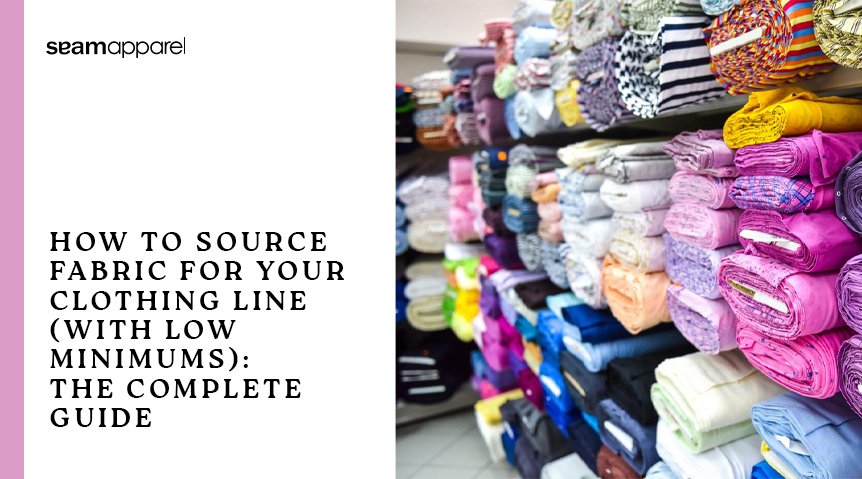
Numerous moving pieces go into starting a clothing company. Setting yourself apart from other fashion firms can be accomplished by starting with a strong foundation and using premium materials. Knit, woven, yarn-dyed, and printed fabrics are only a few of the different fabric qualities. numerous knitting, weaving, and printing methods, as well.
The fabric selection stage of the design process is often the first step for fashion designers. Creating fabrics for clothing use is the next stage. It might be difficult to choose the correct material for your products.
So in this article, we’ll look at the many fabric kinds, suppliers, and questions you should be asking and how to source fabric for the clothing line.
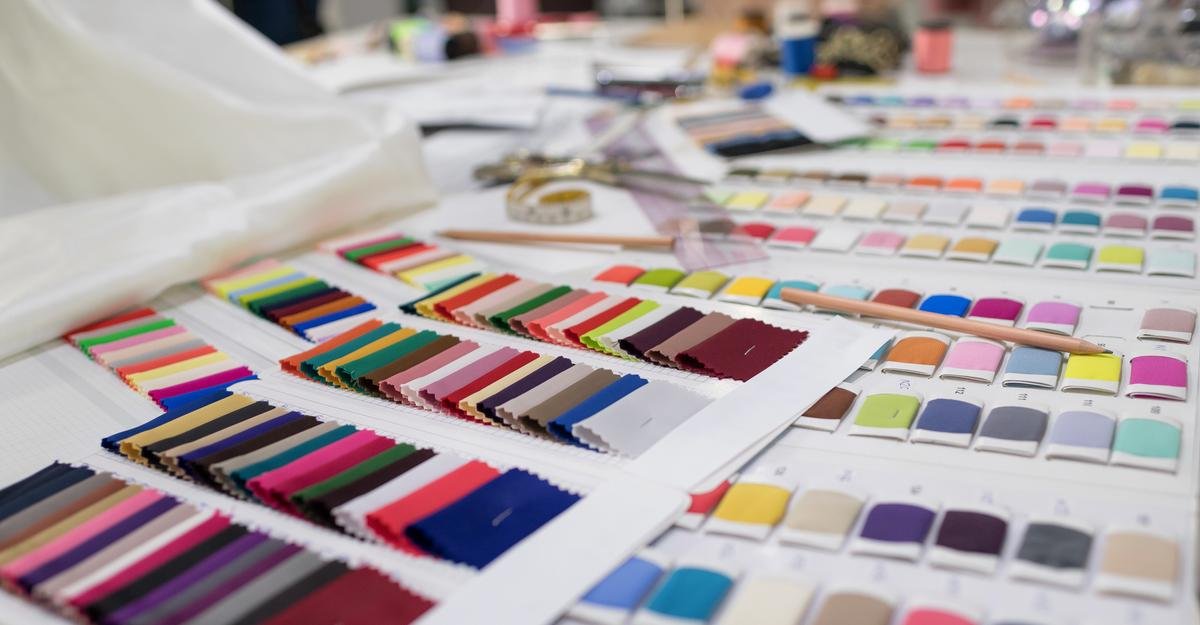
Finding and picking out the ideal fabrics is the process of sourcing fabric. It entails identifying and assessing prospective suppliers, negotiating costs and terms, and confirming that the selected fabrics satisfy the necessary standards for quality, color, texture, and other factors.
The textile and fashion industries place a lot of importance on fabric sourcing since the success of a product is greatly influenced by the quality and appearance of the materials used. It entails looking into the most recent styles and materials, as well as comprehending how certain fabrics are made, their effects on the environment, and any ethical issues that may arise.
Numerous methods can be used to find fabric, including attending trade events, going to fabric mills and suppliers, dealing with agents and middlemen, and doing online research. Securing the appropriate materials at the appropriate price while ensuring that they adhere to the standards for quality, performance, and sustainability is the ultimate objective of sourcing fabric for a clothing line.
Understand different types of fabrics
The fabric sourcing landscape has evolved significantly in 2026. Rising material costs, sustainability regulations, digital sourcing tools, and smaller production runs are reshaping how fashion brands select suppliers and fabrics.
Here’s what’s different now:
Most brands now begin sourcing online before contacting mills directly. Verified B2B textile platforms, digital fabric libraries, and supplier marketplaces allow designers to compare GSM, fiber content, certifications, and pricing within minutes.
Instead of relying only on trade shows, brands now:
Request digital swatches and lab reports
Compare suppliers globally
Review factory certifications online
Use 3D software to test fabrics virtually before ordering samples
This reduces development time and lowers sampling costs.
In 2026, retailers and consumers expect transparency. Brands are increasingly required to disclose fiber content, environmental impact, and factory certifications.
High-demand certifications include:
GOTS (organic textiles)
OEKO-TEX Standard 100
GRS (recycled materials)
FSC (for viscose and rayon)
Bluesign®
Many buyers now prioritize recycled fibers, organic cotton, bamboo blends, hemp fabrics, and TENCEL™ materials.
Sourcing without sustainability verification can limit retail partnerships and market access.
Explore sustainable fabric options
The rise of independent and DTC brands has pushed mills to offer:
Smaller minimum order quantities
Stock-supported fabric programs
Deadstock fabric options
On-demand digital printing
This allows startups to test products before committing to large inventory investments.
Fabric sourcing in 2026 is supported by:
3D garment simulation tools (CLO, Browzwear)
AI demand forecasting
Virtual prototyping
Digital fabric testing data
Brands can now visualize drape, stretch, and fit digitally before bulk purchasing fabric.
With global shipping fluctuations and raw material price changes, brands must now factor in:
Landed cost (fabric + freight + duties)
Currency fluctuations
Lead time buffers
Volume-based price breaks
Fabric is no longer selected based on price per yard alone — it must align with margin strategy.
Successful brands today don’t just source fabric based on availability. They prioritize performance, sustainability, flexibility, and long-term supplier relationships to remain competitive.
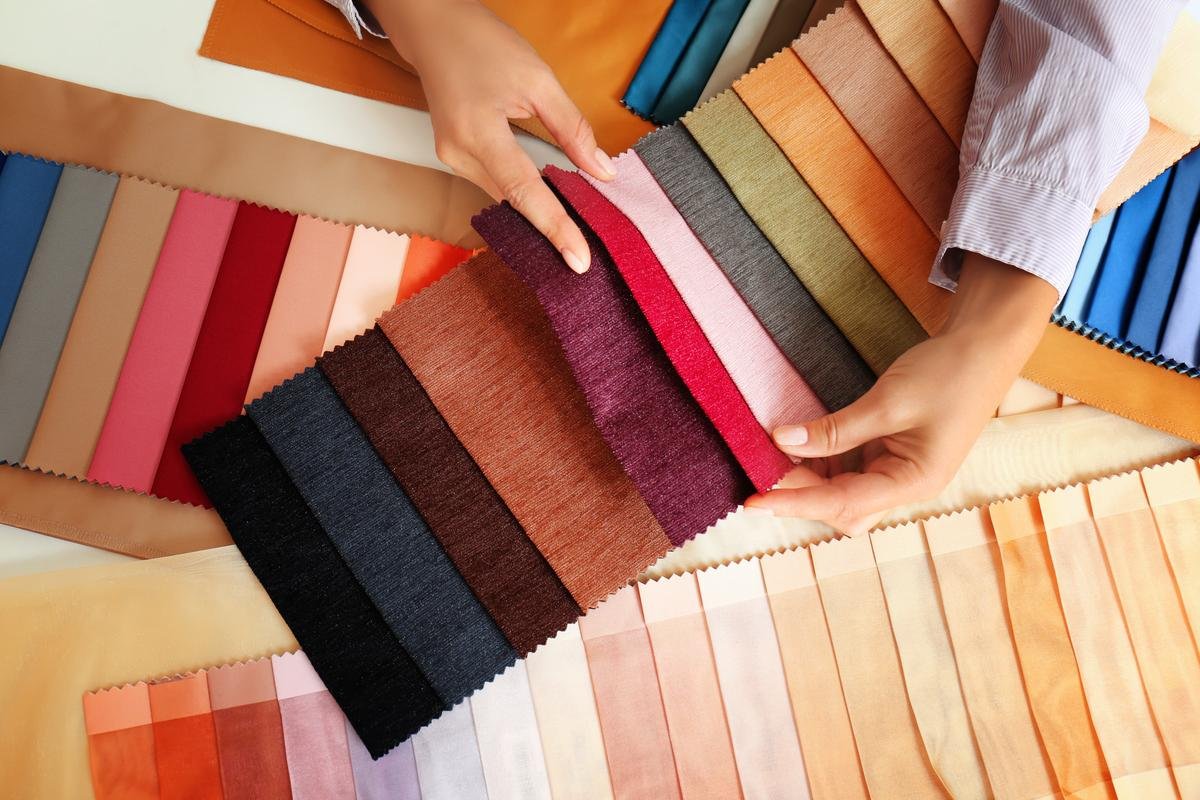
Regardless of whether you are an individual or a firm, you need to ask yourself why you need to develop this product. You won’t be able to create and market your goods to consumers if you don’t know what it is.
Those that are knowledgeable about their field tend to create the people or businesses that are successful. Your brand’s direction and the type of product you’ll produce will be determined by the materials you choose to use.
You must be focused to accomplish this. You must understand for whom you are producing these goods. To properly select your fashion materials, you must have a target market in mind.
The best way to determine what fabric you’ll need is to look at what’s currently available on the market. You can discover a sample to use as a guide by looking through the textiles currently available on the market. Counter-sourcing is another name for this.
In 2026, sustainability is no longer just a branding advantage — it is a sourcing requirement. Consumers, retailers, and even governments are demanding greater transparency in textile production. Before selecting a fabric supplier, you must evaluate whether the material aligns with environmental standards, long‑term availability, and regulatory compliance.
Certifications help verify sustainability claims and protect your brand from greenwashing risks.
Look for:
GOTS (Global Organic Textile Standard) – Organic fiber verification
OEKO‑TEX® Standard 100 – Tested for harmful substances
GRS (Global Recycled Standard) – Recycled material validation
Bluesign® – Responsible chemical management
FSC® – Responsible forestry (important for viscose/rayon)
Retailers increasingly request certification documents before onboarding new brands.
Ask your supplier:
Is the fiber organic, recycled, or conventional?
How much water is used in production?
Are toxic dyes or harsh chemicals involved?
Is the fabric biodegradable or recyclable?
High-demand sustainable fibers in 2026 include:
Organic cotton
Recycled polyester (rPET)
TENCEL™ / Lyocell
Hemp
Bamboo (mechanically processed)
Recycled nylon
Choosing lower-impact materials can reduce your brand’s carbon footprint and increase market appeal.
Many regions now require greater supply chain transparency. Regulations around textile waste, carbon emissions, and chemical usage are becoming stricter.
Future-proof sourcing means:
Working with mills that provide traceability documentation
Ensuring compliance with EU and U.S. textile regulations
Avoiding restricted chemicals (such as certain azo dyes)
Preparing for digital product passport requirements (emerging in global markets)
A fabric is “future-proof” when it can be consistently sourced season after season. Avoid fabrics that:
Are trend-dependent and short-lived
Have unstable supply chains
Rely on scarce raw materials
Building relationships with reliable mills ensures stable production and consistent quality.
True sustainability also means longevity. Fabrics that:
Resist pilling
Maintain color after washing
Hold shape over time
Perform well under wear testing
help reduce returns, waste, and replacement cycles.
For those just starting in fabric sourcing, counter-sourcing is recommended. It is the greatest way to guarantee that you receive the precise resources you need. Without delving too deeply into the fabric’s technical specifications, counter-sourcing makes it possible to obtain the materials quickly.
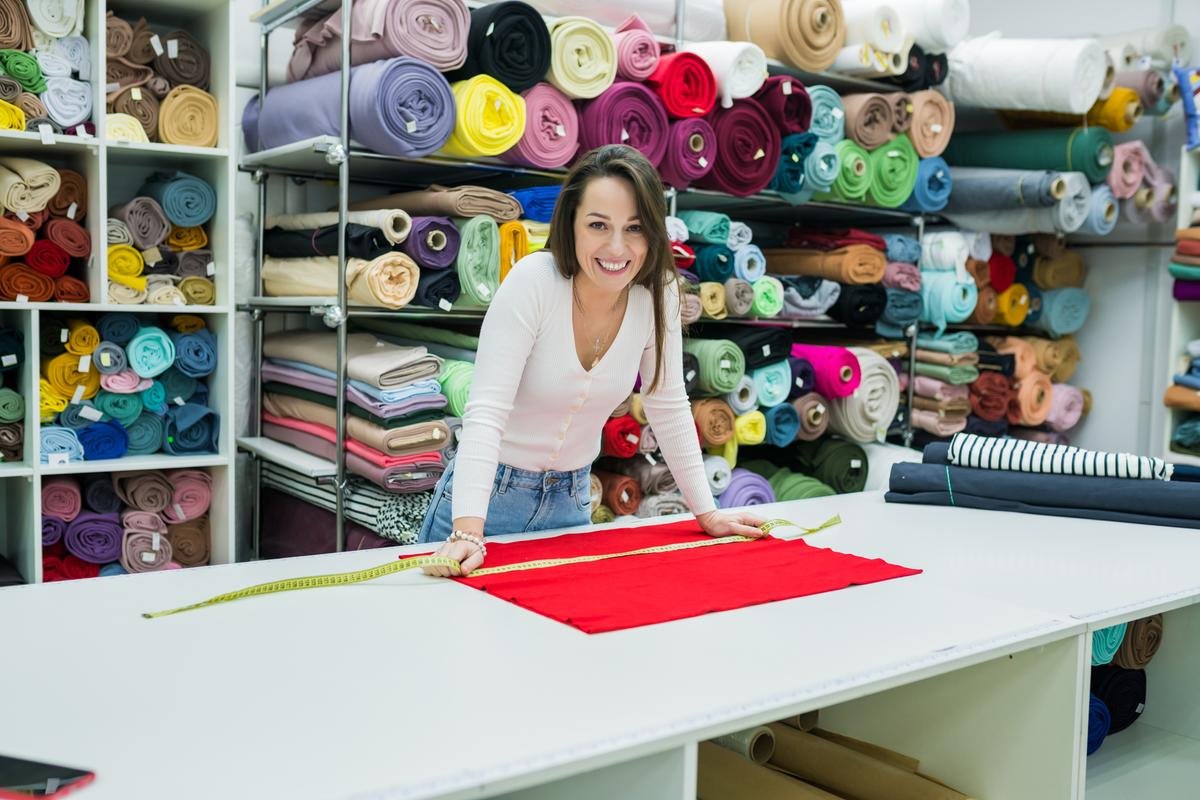
To begin with, “fabric” refers to a substance made by weaving together fibers. A fabric’s name is often derived from the type of fiber that was used to create it, though some fabrics use many sorts.
Afterward, the fabric can be categorized based on the fiber(s) used, its pattern and texture, and the manufacturing procedure used. The origin of the fibers is another element that is relevant for particular fabrics.
Fabrics composed of natural fibers and those made of synthetic fibers fall into two primary types. There are more subcategories within each category based on the type of fabric produced (knitted vs. woven).
Every construction has qualities that make it appropriate for particular uses.
Knit fabrics are created by weaving together loops of yarn, and because the fabric can stretch, knit clothing is more pleasant to wear. Additionally, knit materials are more breathable because of how they are made, which allows air to move through them more quickly than other types of fabrics. Knit fabric trades off these qualities by being more prone to snagging and running than other textiles.
Warp and weft strands are crossed and tucked under at correct angles to make woven fabrics. The characteristics of the cloth will be impacted by the weave pattern utilized. For instance, a satin weave offers a smoother surface and a lustrous shine, whereas a twill weave is harder and more tear-resistant. Woven textiles may be less comfortable to wear than knit materials because they often don’t stretch. Wovens don’t snag or run well either, which is a plus.
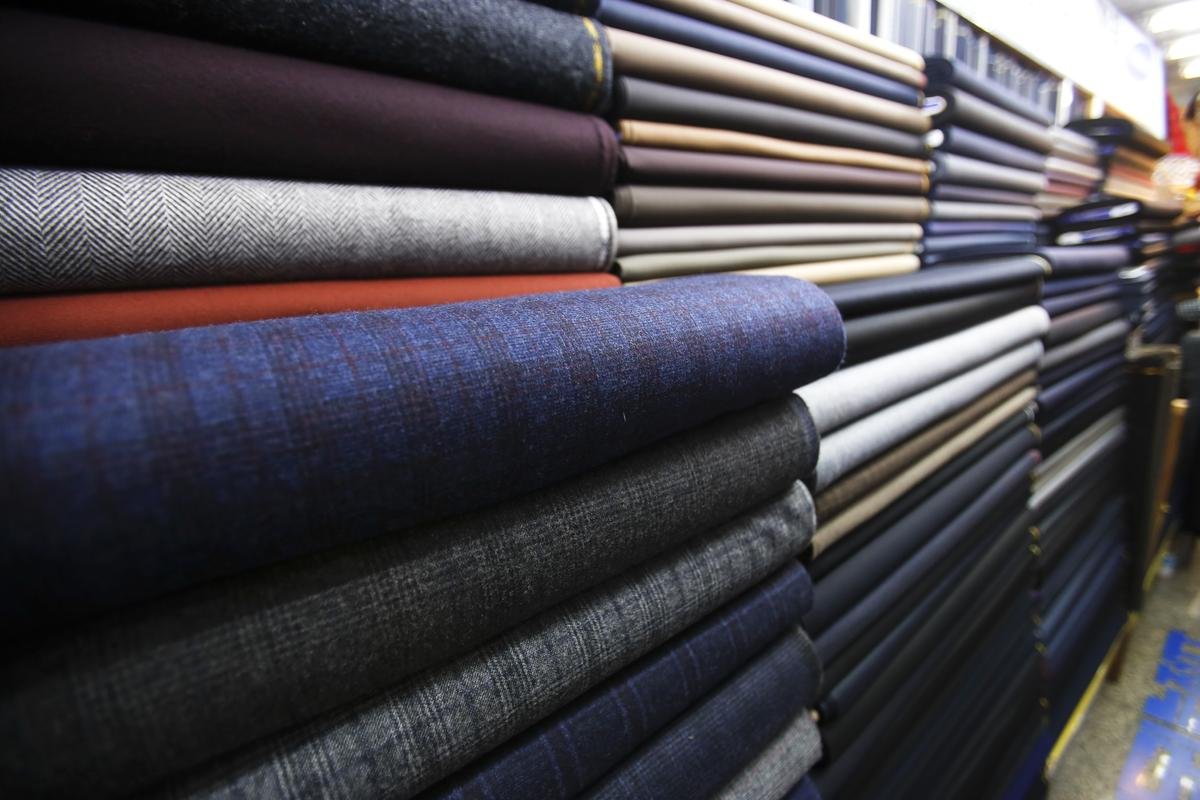
Fabric sourcing involves looking for and choosing fabrics to go into a product. It entails doing research, sourcing, and selecting fabrics based on the lead time, quality, pricing, and style. Because fabric is one of the most important elements of a garment, it is also a crucial step in the manufacturing process.
Mills are businesses that create clothing using synthetic or natural fibers like polyester and nylon or natural fabrics like cotton and wool. They can be found anywhere in the world, perhaps specializing in just one kind of fabric.
Companies known as traders function as middlemen, buying fabrics from mills and selling them to clothing producers. They are frequently seen in nations like China, India, and the USA where designers get fabric from garment production. retail outlets
The bulk purchases made by the wholesalers from the manufacturers are then distributed to the retailers. They offer a large selection of goods at prices that are cheaper than those of retail establishments.
These fabric providers often only have a small amount of surplus fabric from fabric mills and converters in store. Even while they might mark it down, once that particular fabric, print, or color is gone, they usually don’t refill it. Therefore, if you’re interested in a specific item, it’s the best place to buy fabric for clothing since you probably won’t be able to get it again.
Agents frequently work with numerous fabric suppliers for small businesses, and because of their clout with fabric mills, they may be able to offer lower prices. Some real estate agents are compensated by commission, which encourages them to negotiate the best terms for their customers.
Attending trade events is another excellent method of finding the cloth you require. These events are where global fabric suppliers display their most recent offerings. You can make a decision based on being able to physically inspect and feel the fabrics. Additionally, you’ll be able to haggle costs and terms directly with the vendors.
You might be able to get some good recommendations for fabric suppliers from people you know who work in the apparel manufacturing sector. So getting advice from trusted sources is usually a good idea.
Starting your search for fabric suppliers online is the simplest option. An extensive number of possibilities can be confusing when performing a quick Google search. Find vendors who specialize in the fabric you need to help you focus your search. To get samples and additional details about their products, send them an email.
Fabric sourcing has become significantly more digital in 2026. Instead of relying solely on trade shows and physical visits, brands now use online sourcing platforms to discover suppliers, compare prices, verify certifications, and order samples faster.
Digital B2B platforms now connect brands directly with mills and wholesalers worldwide. These platforms allow you to:
Filter by fabric type, GSM, composition, and certifications
Compare MOQs and lead times
Request digital swatches and lab reports
Chat directly with verified suppliers
This reduces sourcing time and improves price transparency.
Many platforms now use AI tools that recommend fabrics based on:
Your garment category (activewear, swimwear, streetwear, etc.)
Performance requirements (stretch, moisture-wicking, durability)
Sustainability preferences
Target price range
This helps startups avoid costly sourcing mistakes.
In 2026, brands increasingly use:
3D fabric simulations
Digital swatches
Virtual garment prototyping
This reduces physical sampling costs and shortens development timelines. Some mills provide high-resolution texture scans for accurate digital rendering.
Modern sourcing platforms now provide:
Factory audit reports
Certification verification
Carbon footprint data
Blockchain-based traceability (for premium brands)
Retailers and marketplaces increasingly expect this level of transparency.
Many platforms now integrate:
Secure escrow payments
Real-time shipping tracking
Customs documentation support
Duty and tax estimation tools
This simplifies international sourcing for small and mid-size brands.
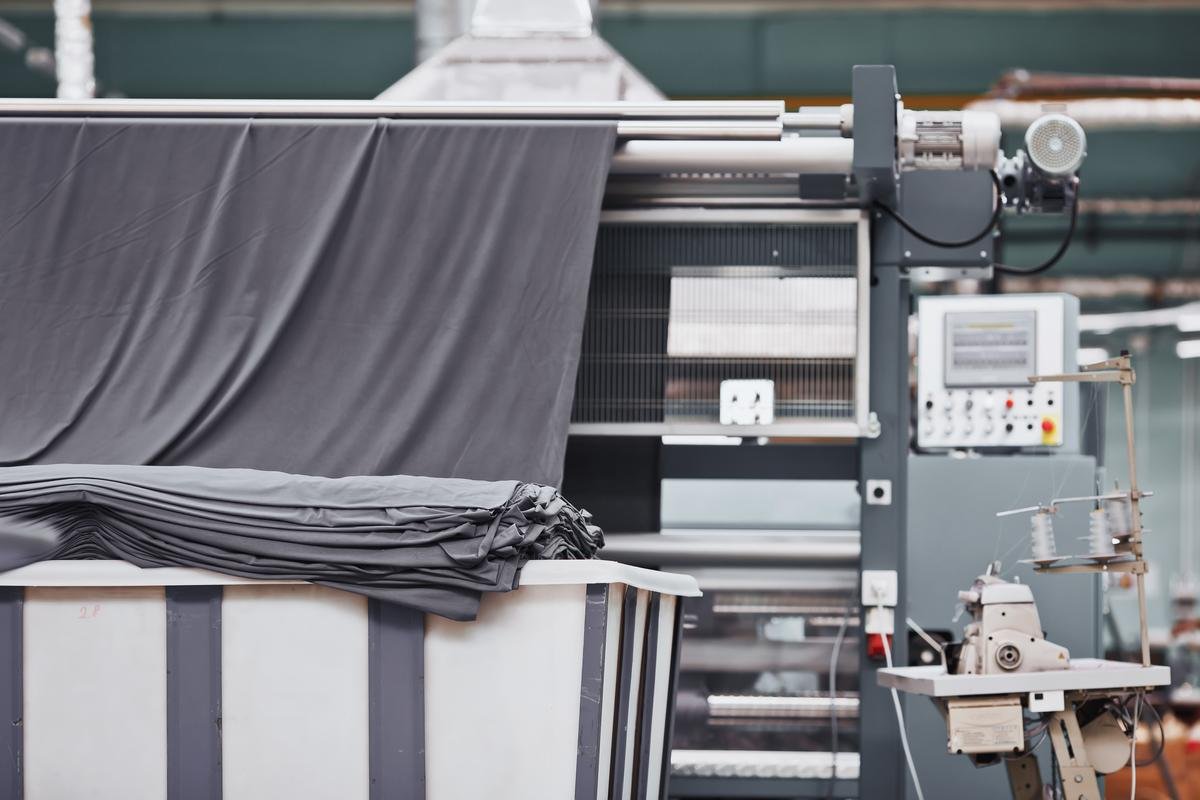
When you are ready to make a large purchase of fabric, you must make sure that it is still in stock. This is to ensure that even when you previously obtained the resources, your production process won’t slack off.
Directly requesting fabrics from mills is safer. as it can guarantee consistency and product availability whenever you need it.
70% of the cost of the finished garment is made up of textiles. The final wholesale prices must therefore be taken into account when selecting new materials each season.
You must be aware that not everything you envisioned happens. Sometimes, the clothing you use won’t function the way you want it to.
Because of this, it’s crucial to make prototypes for wear testing so that the design’s functionality can be verified. You must test the fabric to make sure the fibers will absorb any finishing agents used.
Finding fabric with a recycling feature or option is preferable. By doing this, you can restore the worn clothes to their original condition. Additionally, it benefits the environment and makes it possible for the fabrics used to make your items to be sustainable.
In 2026, fabric testing is no longer optional — it is essential for quality control, regulatory compliance, and brand credibility. Retailers and consumers now expect verified performance standards before products reach the market.
Modern garments must pass specific performance tests depending on their category:
Common Fabric Tests Include:
Shrinkage & dimensional stability
Colorfastness (wash, rub, sweat, light)
Pilling resistance
Tear & tensile strength
Seam slippage
Stretch & recovery (especially for activewear)
Moisture-wicking & breathability
Activewear, swimwear, and outerwear now require more technical lab verification than basic casualwear.
Global regulations in 2026 are stricter regarding harmful substances. Fabrics must comply with:
REACH (EU chemical regulations)
CPSIA (US safety compliance for children’s wear)
Restricted Substances Lists (RSL) from major retailers
Formaldehyde and azo dye limits
Testing reports from accredited labs are increasingly required before bulk production.
Brands are expected to verify sustainability claims through:
Recycled content verification (GRS testing)
Biodegradability testing
Carbon footprint data reporting
Water usage impact assessments
Retailers may request lifecycle impact documentation during onboarding.
Fast fashion returns are costly. In 2026, brands focus heavily on:
20–50 wash cycle durability testing
Shape retention validation
Print adhesion testing (for screen print, DTG, sublimation)
Durable fabrics reduce returns and improve customer reviews.
Working with accredited third-party labs builds trust and protects your brand legally. Many buyers now request:
Pre-production test reports
Bulk production random testing
Factory quality audits
With rising consumer awareness and stricter global regulations, fabric testing protects your brand from recalls, negative reviews, and compliance penalties. It also ensures consistent quality across production runs — critical for scaling a clothing line successfully.
Here are some important things you should know before buying cloth for your company or clientele.
What purpose is the fabric intended to serve? Calculate this based on the design you want to create and your reference samples. This will enable you to select fewer providers to contact.
If you have another item to compare it to that is similar, it’s fantastic because the textiles used in this garment are crucial to its overall quality. If not, find out what materials are used in similar clothing and utilize those as a starting point for your research.
A fabric’s weight is measured in grams per square meter (GSM), which is a unit of measurement. Although you don’t need to compute this, being aware of what it signifies will improve your interactions with merchants.
Knits and wovens are the two divisions that best describe the many types of fabric construction. A single interlaced thread is used to knit to produce the desired material. The weft and warp of woven fabrics, on the other hand, are made of a variety of strands that run in opposite directions, from top to bottom (known as weft) and from right to left (known as warp).
The finished product is obtained by weaving these strands over and beneath one another. Don’t worry if you’re unclear about how to source clothing to sell and the kind of fabric your project calls for. If you need a knit or woven cloth, most sellers will first inquire.
To produce a particular look or feel, further treatments or finishes are frequently used after the fabric is manufactured. Tell your seller if there’s a particular finish you’re searching for so they can point you in the proper direction. Typical finishes include:
The bare least that fabric producers will offer you is this. Typically, it is expressed in yards or meters. If you’re on a limited budget, keep in mind that the MOQ will typically be higher for less popular textiles, thus your fabric selection may need to be compromised.
When you place your order, this is how long it will take for the fabric manufacturer to deliver your fabric. Depending on the provider, the kind of cloth, and the required quantity, this can vary significantly. Before placing your order, inquire about the lead time with your vendor.
What Does The Term “Sourcing” In Textiles Mean?
Sourcing fabric for the small business world refers to the process of investigating, identifying, and assessing suppliers through diligent prospecting, notably in the purchasing sector.
What Is The Significance Of Fabric Sourcing?
The main task of the fabric sourcing department is to choose the best method and location for obtaining its product, which is fabric. It oversees the delivery of the necessary commodities at the scheduled time and cost while collaborating with the merchandising department.
How Do Payments Work?
Are online payment options like UPI accepted by them? A telegraphic transfer will they require? Do you require an upfront payment or not?
What’s The Lead Time?
Retailers, wholesalers, and jobbers maintain fixed quantities of their materials while fabric sourcing agents and factories produce items as needed.
You can start looking at what other comparable stores are utilizing for their items to assist you get a better sense of what’s available now that you have a better understanding of how to source fabric process and commonly used phrases.
To pick the ideal fabric for your project, keep these important considerations in mind as you start your search.

Ask any founder what their best-selling product was in year two, and...
Introduction Towels are the quiet workhorse of home, hospitality, and retail. Nobody...

Leggings carry more weight than any other product in an activewear line....
A hat looks simply until you must specify one. Panels, sweatband, closure,...
Shorts sit in more categories than almost any other garment: gym, beach,...