A Complete Guide to Sock Manufacturing Fabrics
Nobody starts a clothing brand because they’re excited about yarn. Socks live...
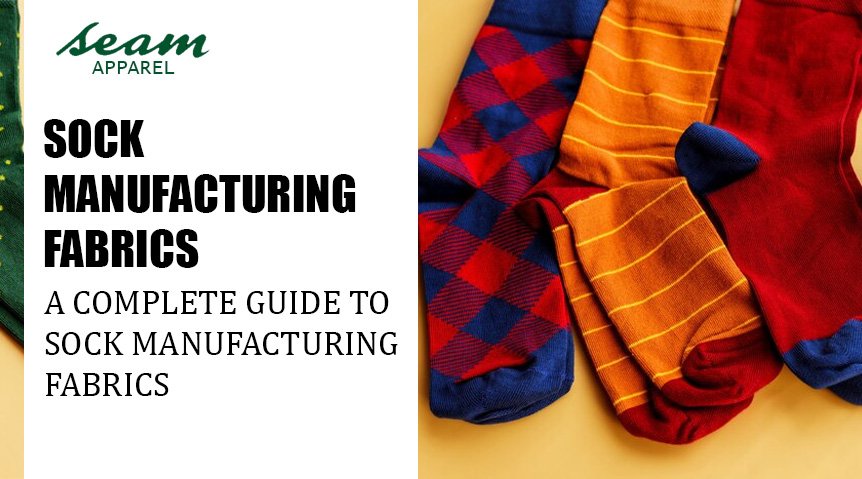
Nobody starts a clothing brand because they’re excited about yarn. Socks live against skin, get stretched constantly, and go through the wash more than anything else in a wardrobe — there’s not much room for a fabric mistake to hide.
Get it right and people reorder without thinking about it. Sock manufacturing fabrics set comfort, wear life, stretch and shelf price, all locked in long before a knitting machine turns. This hosiery fabric guide covers what sock manufacturers argue about, minus the jargon.
Fiber is the first domino in custom apparel manufacturing, and socks are knocking over faster than any other category. Skin contact. Constant stretch. Endless washing. Extraordinarily little forgiveness.
● Fit comes down to softness and elasticity. A sock that slides down the heel is usually a yarn problem wearing a knitting costume.
● Durability announces itself at the heel and toe because that’s where the friction lives.
● Wicking and recovery get spun in. They don’t get sprayed on afterwards.
● Cost follows fiber and price follows cost, so sock manufacturing fabrics fix your retail positioning before you’ve written a word of product copy.
Six families cover every set of custom sock materials. Each gives you something and charges you for it somewhere else.
Sensible fabric sourcing for clothing brands starts right here.
● Cotton:
Soft, breathable, familiar to shoppers. It absorbs moisture and then hangs onto it, which is lovely on a sofa and miserable on a treadmill.
● Polyester:
Cheap, tough, dries quickly. It pushes sweat outward rather than holding it, and that one property is why athletic ranges lean on it so hard.
● Nylon:
Never the headline fiber. It goes into heels, toes and anywhere friction chews through softer yarns.
● Spandex, or elastane:
Two to five percent is usually all you need. It’s what keeps a cuff gripping after forty washes.
● Merino wool:
Warm when it’s cold, breathable when it isn’t, and naturally resistant to odor. Expensive, and it needs proper care labelling.
● Bamboo viscose:
Silky, absorbent, heavily marketed. Ask for paperwork before you repeat any eco claim on your packaging.
Sock fabric types are always blended. Blending lets you buy comfort from one fiber, abrasion resistance from another and recovery from a third without paying a premium on all three. A
Simple common build runs cotton or polyester through the body, nylon at the wear points, and a whisper of spandex throughout. If you’re moving into private label socks manufacturing, treat that ratio as negotiable. Shift the percentages by a few points and sock production fabrics change hand feel, cost, and return rate all at once.
Each fiber trades something for something else. Here’s where that trade shows up in a finished stock.
Cotton
Pros: Soft, breathable, familiar to shoppers, low cost.
Cons: Absorbs sweat and stay wet, slower to dry, lose shape faster under repeated stretch.
Best use case: Casual and dress socks, everyday wear where moisture load stays low.
Polyester
Pros: Dries fast, hold color well, resist shrinking, cheap at volume.
Cons: Can feel less breathable against skin, sometimes reads as synthetic to shoppers.
Best use case: Athletic and performance socks where moisture management matters more than natural fiber feel.
Nylon
Pros: High abrasion resistance, adds structure without bulk, stretches without losing shape.
Cons: Rarely comfortable enough to use alone, adds cost as a reinforcement fiber.
Best use case: Heel and toe reinforcement, blended in wherever friction is highest.
Spandex (Elastane)
Pros: Restores shape after stretching, keeps a cuff from sagging over time.
Cons: Only usable in small percentages, breaks down faster than other fibers with heat exposure.
Best use case: Cuffs, arch bands, compression socks, anywhere consistent hold matters.
Merino Wool
Pros: Naturally, odor-resistant, warm without overheating, breathes well across temperature swings.
Cons: Highest cost on this list, needs specific wash care, slower drying than synthetics.
Best use case: Winter socks, outdoor and hiking lines, premium positioning.
Bamboo Viscose
Pros: Incredibly soft hand feel, strong moisture absorption, markets well on packaging.
Cons: Sustainability claims need real certification, can wear thinner faster than sturdier fibers.
Best use case: Loungewear socks and premium casual lines built around a soft-touch story.
Blends are where most sock production happens. A few of the standard builds:
Pros: Balances cotton’s softness with polyester’s durability and faster dry time, keeps cost down.
Cons: Neither property is maximized, so it’s a middle-ground choice rather than a specialist one.
Best case: Everyday casual and crew socks aimed at mainstream retail price points.
Pros: Wicks moisture holds shape through heavy stretch; resists wear at friction points.
Cons: Feels more synthetic underfoot, less breathable than natural-fiber-heavy builds.
Best use case: Athletic, running and compression socks built for performance first.
Merino-Nylon Blend
Pros: Keeps merino’s warmth and odor control while nylon adds durability wool alone can’t provide.
Cons: Still carries a premium price tag, though lower than pure merino.
Best case: Hiking and outdoor shocks that need to survive rough terrain, not just wintry weather.
Cotton-Bamboo Blend
Pros: Combines cotton’s structure with bamboo’s softness and moisture absorption.
Cons: Cost sits above straight cotton, and sustainability claims still need documentation.
Best use case: Premium casual and loungewear lines marketed on comfort and softness.
There is no best fabric for socks in the abstract. There are only the sock fabric types that suit the job in front of you.
● Athletic:
synthetic-led, spandex for compression, keep the cotton low.
● Casual:
cotton-rich, with nylon quietly holding the wear points together.
● Dress:
fine gauge and smooth yarn, mercerized cotton, or light wool, so it lies flat inside a shoe.
● Winter:
merino or heavier wool blends, cushioned underfoot.
● Compression:
high elastane, graduated knit, tighter tolerances than most brands expect.
Customers never ask about fiber content. They ask why their feet were damp by lunchtime. Wicking, breathability, odor control, cushioning and stretch recovery all come out of the yarn and the knit structure, not out of a finishing bath.
Promise performance on the product page and the best fabric for socks in that range had better deliver it. Reviews are unforgiving.
Breathability
Knit structure matters as much as fiber here. A loose knit or mesh zone lets air move through the sock, which is why performance socks often mix a tighter compression zone with an open-knit panel across the top of the foot.
Oduor Resistance
Merino wool resists odor naturally because of its fiber structure, without any added treatment. Synthetic fibers need an antimicrobial finish to compete, and that finish wears off with repeated washing, so the odor control fades faster than the sock does.
Cushioning
Terry loop knits and denser yarn at the heel and forefoot absorb impact, which matters most in running and hiking socks. More cushioning adds bulk and cost, so it needs to match the fit it’s designed for, not just get added by default.
Stretch & Recovery
Spandex is what makes a sock snap back to shape after being stretched over a heel hundreds of times. Without it, a sock loosens permanently within weeks. The percentage used, usually two to five percent, controls how much the finished stock has.
Cost is where a hosiery fabric guide earns its keep. Fiber is the biggest single lever on unit price, and it multiplies across every pair you make.
| Fabric | Comfort | Durability | Relative cost | Best use |
| Cotton blend | High | Moderate | Budget | Everyday casual and crew socks |
| Polyester blend | Moderate | High | Budget | Athletic and running socks |
| Nylon-reinforced blend | Moderate | Extremely high | Mid-range | Heel and toe reinforcement, hiking socks |
| Bamboo blend | Extremely high | Moderate | Premium | Premium loungewear and soft-touch lines |
| Merino wool | Extremely high | High | Premium | Winter, outdoor, and premium socks |
Working with low MOQ clothing manufacturers lets you put premium sock production fabrics in front of real customers on a short run rather than gambling a full order on a fiber they may not value.
Organic cotton, recycled polyester, and bamboo now turn up in every US retailer briefly. They cost more. They also tend to earn more because shoppers will pay for a claim they believe. Believe is the operative word. Certification and traceability in fabric sourcing for clothing brands is the difference between a sustainability story that holds up and one that becomes a legal headache, so ask for documents on any sock production fabrics sold to you as green.
Yarn decides how good your logo looks. Jacquard knitting reads crisply on tightly spun fibers and goes mushy on fluffy ones. Synthetics grab color and hold it. Naturals fade sooner. Thick cushioned constructions swallow fine detail, which is sad news if your wordmark has hairline strokes. Send artwork to your custom apparel manufacturing partner before the yarn is locked, not after. Custom sock materials and design clarity are one conversation, not two.
● Buying on price, then handing the savings straight back through returns.
● Picking a fabric that fights the use case, then reading reviews about sweat.
● Ignoring abrasion until the heel wears through and the customer stops caring.
● Skipping product development and sampling and signing off a color swatch as though it proved anything about wear.
Choosing the best fabric for socks without ever putting a pair on your own feet is the expensive one.
Fabric is usually where conversations with Seam Apparel begin. The team works with startups and grows brands across the USA, advises on yarn and blend choices, opens a wide material range including sustainable options, and runs product development and sampling so you can judge custom sock materials with your hands rather than a PDF. From there it flows into cost optimization and full sock production, with private label socks manufacturing managed in one place.
Fabric is the foundation of sock quality, and every hosiery fabric guide lands in the same spot eventually: branding cannot rescue a bad fiber call. Varied materials do different jobs. Blends usually win on balance. And a good manufacturing partner turns sourcing from a guessing game into a repeatable process. Get sock manufacturing fabrics right and everything downstream, reviews, reorders, margin, gets easier. Experienced sock manufacturers just arrive there quicker.
Nobody starts a clothing brand because they’re excited about yarn. Socks live...
Ask any founder what their best-selling product was in year two, and...
Introduction Towels are the quiet workhorse of home, hospitality, and retail. Nobody...
Leggings carry more weight than any other product in an activewear line....
A hat looks simply until you must specify one. Panels, sweatband, closure,...