What Is Shantung Fabric?
Shantung cloth has a sharp feel, a faint gloss, and a texture...
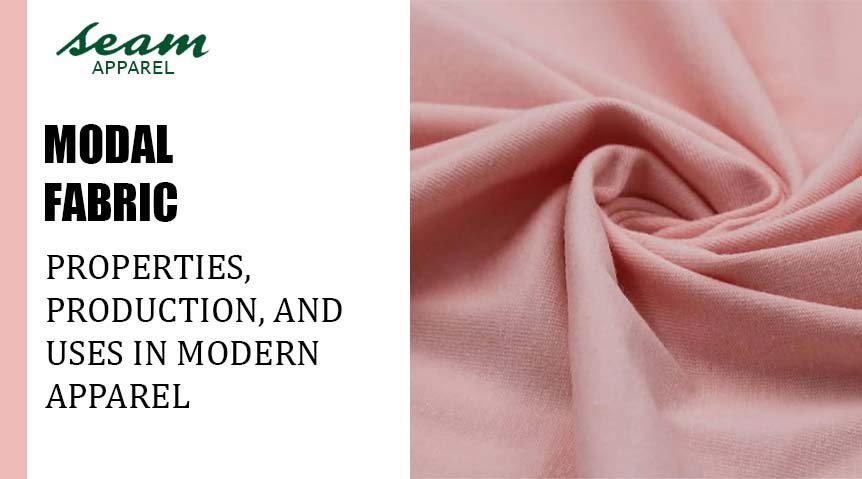
Modal fabric has quickly become a preferred choice for brands seeking soft, breathable, and long-lasting materials. As the demand for sustainable fabrics continues to grow in the USA, Modal is gaining even more attention. In fact, the global sustainable textiles market is projected to reach USD 111 billion by 2030, driven by the rising shift toward eco-friendly and high-performance materials (Statista). This increasing demand shows why many clothing lines, especially those producing t-shirts, loungewear, underwear, and everyday essentials, are adopting modal for its premium feel and lower environmental impact.
Seam Apparel works closely with USA-based brands to help them understand high-performance materials and make informed choices. By offering modal fabric production and ethical sourcing, Seam Apparel supports businesses aiming to build sustainable and modern apparel collections.
Modal fabric is a semi-synthetic textile made from beech tree pulp. It belongs to the rayon family but stands out due to its luxurious softness, smooth texture, and high breathability. When users search “what is modal fabric,” they usually want to understand why it feels richer and more comfortable than many natural and synthetic fabrics.
Because Modal comes from renewable beech trees, it is considered one of the eco-friendlier rayon materials. Production uses less water than cotton, and modern systems allow chemicals to be reused to reduce waste.
The result is a lightweight, flexible, and strong material that drapes beautifully on the body. Many USA-based apparel brands choose Modal fabric because it delivers a premium look and feel, making it suitable for contemporary clothing lines.
Understanding how modal fabric is made helps brands see why it performs so well in everyday wear. Although it is a semi-synthetic material, the process begins with natural, renewable resources and follows a controlled, responsible manufacturing system. Each stage of modal fabric production plays a role in creating its softness, strength, and sustainability.
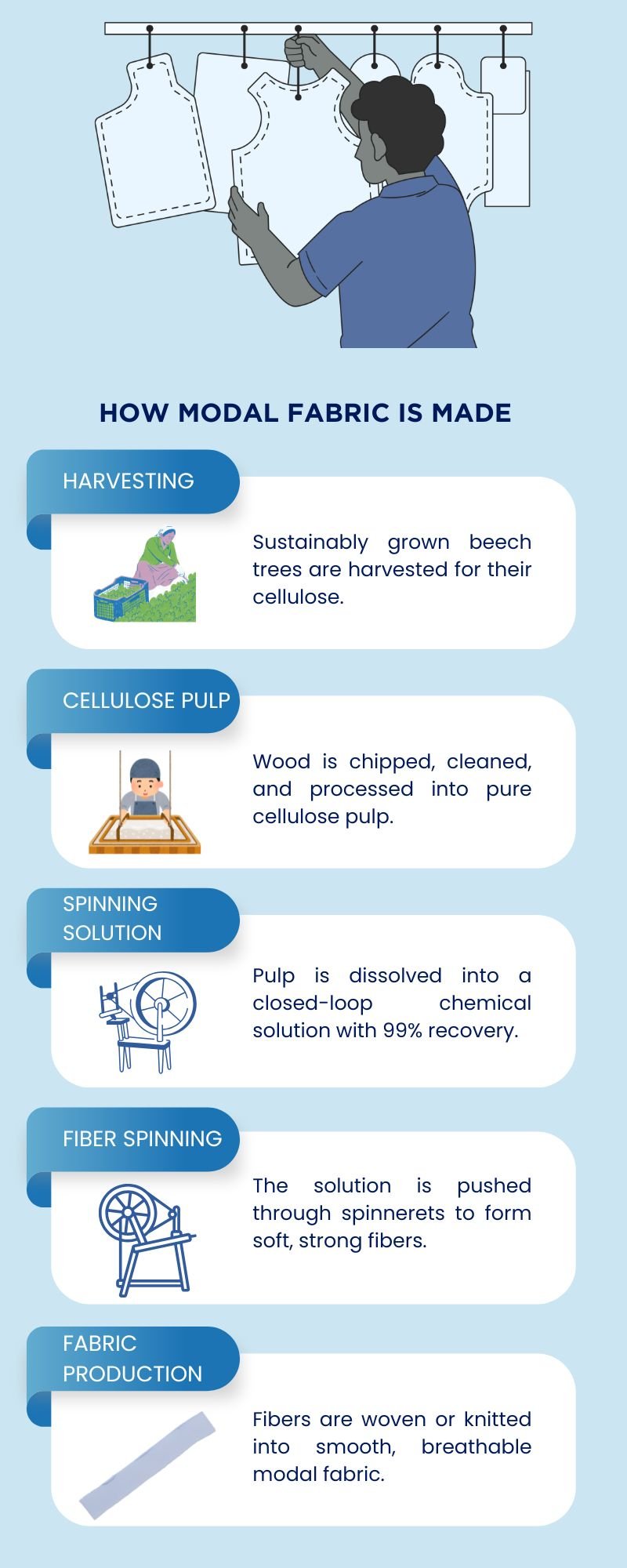
Modal production starts with sustainably grown beech trees. These trees naturally regenerate, which means they can grow back without the need for replanting. This reduces land disturbance and helps maintain forest balance. Because beech trees require less water compared to cotton crops, the raw material stage already offers an eco-friendlier footprint.
The harvested wood is chipped into small pieces and processed to extract cellulose. This cellulose is washed several times to remove any natural impurities. After cleaning, it becomes a smooth, thick pulp, which forms the base of modal fibers. At this stage, quality control is essential because cleaner pulp results in stronger and more consistent fibers.
The cellulose pulp is then dissolved using safe, approved chemicals, forming a honey-like spinning solution. Modern “Eco-Modal” technologies allow up to 99% of these chemicals to be recovered and reused, reducing waste and environmental impact. This closed-loop production system is one of the key reasons Modal is considered a more sustainable alternative to traditional rayon.
The spinning solution is pushed through fine nozzles—called spinnerets—to create long smooth filaments. These filaments are washed, stretched, and dried to increase their strength, elasticity, and softness. The stretching step helps the fibers maintain durability, preventing them from becoming weak when wet, which is a common issue with many viscose fibers.
Once the fibers are fully prepared, they are woven or knitted into modal fabric. The type of construction depends on the intended use: knits are ideal for t-shirts and underwear, while woven modal is preferred for dresses, tops, and premium blends. Manufacturers often blend modal with cotton, polyester, or spandex to enhance moisture control, softness, stretch, or drape based on specific apparel needs.
This carefully controlled production technique creates a sustainable fabric that is silky, breathable, and long-lasting. With eco-modal options, the process becomes even cleaner, using less water, recycling chemicals, and lowering emissions, making Modal a reliable choice for brands seeking performance and sustainability together.
Here are the most valuable modal fabric properties for modern apparel brands:
Because of its softness, flexibility, and long-lasting quality, modal fabric covers a wide range of clothing categories. It is popular among USA-based apparel brands that want to offer premium comfort and performance in everyday wear.
Modal is widely used in t-shirts and tops because of its smooth texture, premium drape, and lightweight feel. It keeps the wearer cool throughout the day, making it ideal for warm climates and daily use. Many brands prefer Modal T-shirts because they color well and stay soft even after frequent washing.
Comfort is the main reason Modal is a top choice for loungewear and pajamas. Its breathability helps regulate body temperature, while its soft touch feels gentle on the skin during sleep or long hours at home. Modal loungewear maintains shape and does not lose its softness over time, which makes it perfect for premium sleepwear collections.
Modal is one of the best fabrics for underwear and lingerie because it is non-irritating, moisture-absorbent, and exceptionally smooth. Its ability to wick moisture keeps the body dry, while its flexibility allows a comfortable stretch. This makes Modal a strong alternative to cotton for intimate apparel collections.
In activewear, Modal offers a combination of stretch, breathability, and sweat-control capabilities. It keeps the fabric light and fresh during workouts. When blended with spandex, Modal becomes even more flexible, making it suitable for yoga wear, gym tops, leggings, and everyday athleisure styles.
Modal fabric clothing often includes blends that enhance performance and durability. These blends help brands achieve different textures, weights, and stretch levels depending on their collection needs.
These blends allow USA-based brands to design versatile collections that feel premium, perform exceptionally well, and appeal to customers looking for comfort-focused modern apparel.
Here is a clear comparison to help brands choose the right material:
| Feature | Modal Fabric | Cotton | Viscose |
|---|---|---|---|
| Texture | Incredibly soft and silky | Soft and natural | Smooth but less durable |
| Breathability | Excellent breathability | Good airflow | Moderate breathability |
| Moisture Absorption | Extremely high moisture-wicking ability | Medium moisture absorption | High absorption but slower to dry |
| Durability | Strong and long-lasting | Good durability | Less durable and can weaken when wet |
| Sustainability | More sustainable with lower water usage | High water consumption | Varies depending on production methods |
| Ideal For | Premium apparel lines and luxury basics | Everyday clothing and basics | Fashion garments and drapey styles |
Brands often choose Modal because it combines softness, strength, and eco-friendly attributes. For elevated clothing lines, Modal provides a superior feel compared to cotton and viscose.
Seam Apparel, as a private label manufacturer, has extensive experience working with Modal fabric and supporting USA-based brands that want to shift toward sustainable materials. The company focuses on ethical sourcing and partners with responsible modal fabric manufacturers to ensure quality and consistency.
We also help brands customize blends, colors, finishes, and fabric weights, allowing them to design unique and performance-driven apparel. With advanced dyeing and finishing processes, Modal garments maintain rich color, smooth texture, and long-lasting comfort.
In mass production, Seam Apparel ensures every piece meets high standards of durability and sustainability. Whether a brand is creating t-shirts, underwear, loungewear, or premium basics, Seam Apparel provides reliable modal fabric production and expert guidance from start to finish.
Modal fabric is an excellent choice for modern clothing brands that want to offer softness, breathability, durability, and sustainability in their apparel lines. Its versatility makes it suitable for a wide range of categories, from everyday wear to premium collections.
Seam Apparel supports USA-based businesses by offering high-quality modal fabric clothing manufacturing with ethical sourcing and customizable options.
Contact Seam Apparel today to explore custom Modal clothing manufacturing and build your next sustainable collection.
Shantung cloth has a sharp feel, a faint gloss, and a texture...
Tweed fabric is one of the most recognized heritage textiles in fashion....
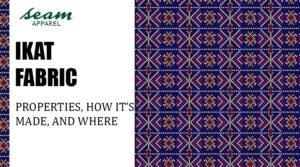
If you’ve ever looked at a piece of clothing and noticed a...
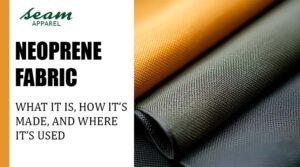
Neoprene is a new type of performance fabric that is noted for...
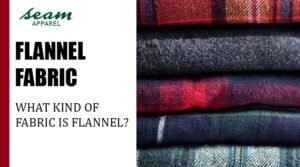
Flannel fabric has become extremely popular as clothes that are comfortable become...