Top 15 Custom Sweatshirt Manufacturers in the USA
Ask any founder what their best-selling product was in year two, and...
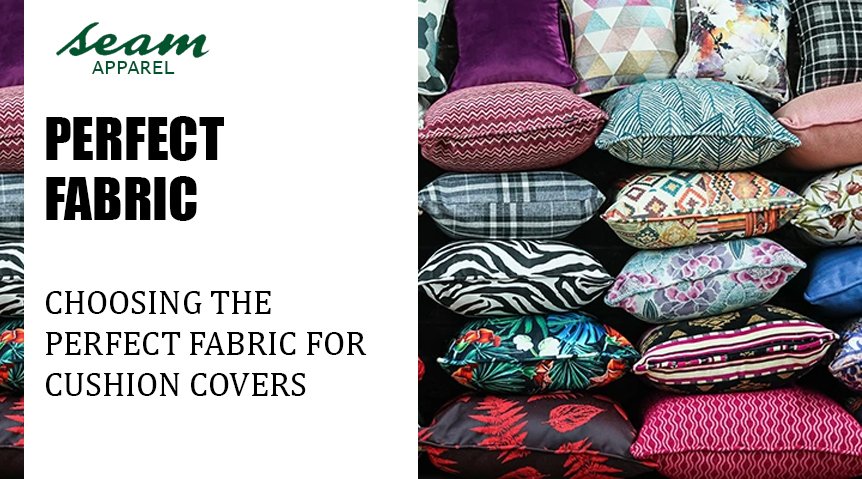
Most brands take weeks to develop their colour palette, packaging, and then about 4 minutes to select a cushion fabric because it was readily available from a supplier. That backfires fast. One of the most used, touched, and photographed items in a home decorating collection is a cushion cover and the fabric underneath makes the difference between using it for the first season or sending it back in a pill return box with a note. If you are sourcing at any real volume, it pays to loop in cushion cover manufacturers before the fabric decision, not after the samples already look wrong. This piece breaks down how to choose the best fabric for cushion covers, whether the end buyer is a homeowner, a hotel procurement team, or a private label brand trying to hit a specific price point.
This is what people miss. Fabric is not limited to texture and colour. It is the one that is blocking a product that lasts eighteen months from one that is refunded after eight weeks. In a flat lay image, a polyester blend and a raw linen weave may seem remarkably similar, but after 10 wash cycles the difference will become very apparent. Do not forget comfort either—when you are looking for a cushion that someone puts their back against daily, you do not want it to feel the same as if it is sitting on a display table. Then there is the maintenance angle—an upscale customer will wash a delicate item without any qualms, but a housekeeping crew that is cleaning fifty rooms daily has no time to be fussy about the directions for maintaining the delicate item.
Cotton is the most popular choice of fabric and that is a good one. Soft, breathable, even- dyeing and inconspicuous for any price point in the home décor market.
Linen does something other than that. It adds texture and gives a sort of ‘hand-made’ appearance that is coveted by designers of high-end collections. The compromise is wrinkling, and a linen pillow cushion will require more combed finishing after a couple of weeks on a sofa.
There is a polyester that receives less praise than it deserves. It does not fade, does not shrink abnormally after multiple washings, and maintains its per unit cost in a way that is important after an order goes from 200 to 2,000.
When the intent is to achieve maximum impact, velvet is the go-to fabric. It is soft, looks great in photos taken under warm lighting and is the least durable item on the list. In a living room, which is typically a fair deal.
The sole purpose of Canvas is to be durable when abused. The structure of canvas is ideal for outdoor cushions, high traffic hospitality seating, anything that gets walked on, and more.
Blends separate cost and performance. For example, a cotton-poly combination has some of the softness of the cotton, plus the durability of polyester—which is why so many mid-range brands tend to go with it.
Ask a handful of cushion cover manufacturers what drives fabric choice, and the answer is rarely aesthetics first. It is using case. A living room cushion built for comfort behaves completely differently than one destined for a beach resort’s poolside lounger. Hospitality buyers care exclusively about how a fabric survives frequent washing and constant handling, since a worn-looking cushion in a hotel lobby says something, the brand does not want said. Outdoor applications need weather resistant materials, full stop, or the fabric fades and mildews within a season. And luxury décor lines keep circling back to velvet and linen because nothing else in this category signals quality as quickly.
Washability, shrinkage control, and fade resistance rarely make it into a pitch deck, but they are the details that decide whether a customer comes back. Stain resistance is a bigger deal for hospitality buyers than most people assume; a single stained cushion in a hotel suite becomes an unplanned replacement cost that eats into margin fast. The better question is not which fabric is cheapest. It is which fabric is cheapest given how it is going to get used.
A side-by-side view makes the trade-offs easier to weigh than reading each fabric individually. This is the shortlist most buyers work from once they have narrowed down the options.
| Fabric | Cost Tier | Durability | Best Use Case | Maintenance |
|---|---|---|---|---|
| Cotton | Budget | Moderate | General home décor, everyday cushions | Machine washable, easy care |
| Polyester | Budget | High | High-volume orders, price-sensitive lines | Minimal maintenance, fade resistant |
| Cotton-Poly Blend | Budget-Mid | High | Mid-range brands balancing cost and feel | Easy care, holds up to regular washing |
| Canvas | Mid | Very High | Outdoor cushions, hospitality, high-traffic seating | Durable, low fuss |
| Linen | Premium | Moderate | High-end décor, designer collections | Requires finishing, wrinkles easily |
| Velvet | Premium | Low | Statement pieces, photography-driven products | Delicate, needs careful handling |
Lighter fabrics feel nice on day one and start showing wear faster than heavier ones, that’s just physics. Medium weight fabric is the safe, boring middle ground most home décor brands land on because it works for everything. Heavyweight fabric costs more, but it also feels substantial in a way that customers register instantly, even if they could not explain why. Texture plays into this too. A heavier weave often reads as more expensive before anyone even touches it.
These sit at the thin end of the scale and are usually cotton or polyester weaves. They feel breathable and keep unit costs down, which is why they show up in budget lines and fast-turnover collections. The trade-off is durability: lightweight fabric loses its crisp feel sooner and is more prone to pilling and seam stress once a cushion is in daily use.
This is where most home décor cushion covers land. It is dense enough to hold shape and resist wear from normal handling, without pushing fabric cost into premium territory. Cotton-poly blends and mid-weight canvas typically fall in this range, which is part of why they are the default choice for brands that need something that works across most use cases without special-casing every SKU.
Heavier fabric costs more per yard and adds to freight weight, but it reads as higher quality the moment someone picks it up. Hospitality buyers and outdoor lines lean toward this range because it holds up to repeated washing and rough handling better than anything lighter. Velvet and structured canvas often sit here.
GSM is a direct proxy for raw material cost since more fibre per square meter means more fibre used, full stop. But the relationship with perceived value is not linear. Customers register the difference between 120 GSM and 200 GSM fabric instantly when they touch it, while the jump from 250 to 300 GSM is far less noticeable to anyone outside a factory. That is the practical takeaway for sourcing: pushing GSM up delivers real perceived quality gains up to a point, and beyond that point it mostly just adds cost without moving the customer’s impression of the product.
Cotton and polyester sit at the affordable end of the spectrum, which is why they dominate high-volume, price-sensitive product lines. Blends land somewhere in the middle. Linen and velvet sit at the top, and that premium needs to be baked into pricing from day one, because discovering fabric cost after production is already locked in is a rough way to find out margins do not work. Getting fabric sourcing for clothing brands dialled in early avoids exactly that scramble.
Cotton and polyester carry the budget end of the category, and cotton-poly blends sit just above them for brands that want a bit more durability without a big cost jump. These fabrics make sense for high-volume runs, private label lines competing on shelf price, and any collection where per-unit cost must stay predictable across large orders.
Linen and velvet define the premium end. Both carry an actual cost premium, and both earn it differently, linen through texture and a handmade look, velvet through how it photographs and feels under warm lighting. Canvas can also read as premium in the right context, particularly for outdoor or hospitality lines where durability itself becomes the selling point rather than softness.
The decision usually comes down to what the end customer is paying for. A price-driven retail buyer is not going to reward a linen upgrade they cannot feel through a product photo, while a boutique hotel or design-forward brand will lose credibility fast on a fabric that looks cheap in person. Matching fabric tier to price point and customer expectation, rather than defaulting to whatever costs the least, is what keeps return rates and margins both in check.
Organic cotton and recycled fibres cost more upfront, no way around that. But customers increasingly expect it, especially in home décor categories where sustainability has become a real purchase driver rather than a nice-to-have. The upside is that this cost translates into something brands can market, which is more than most fabric upgrades can claim.
Organic cotton skips the synthetic pesticides and fertilizers used in conventional cotton farming, which matters to a growing share of buyers who read labels before they buy. It behaves the same way conventional cotton does in production, soft, breathable, easy to dye, so switching does not require reworking the rest of the spec sheet. The catch is yielding organic farming produces less cotton per acre, and that gap shows up directly in the price brands pay for the raw fibre.
Recycled polyester, usually made from post-consumer plastic bottles, and recycled cotton blends have gotten good enough that they no longer read as a compromise on feel or durability. They also give brands a concrete sustainability claim that is easier to substantiate than vague language about eco-friendliness. Supply can be less consistent than virgin material, though, so brands ordering at volume need to confirm lead times before committing a full production run to it.
Sustainability has moved from a niche preference to something a real portion of home décor buyers actively look for, particularly in the mid-to-premium tiers where customers are already paying attention to quality and origin. It is not universal. Price-sensitive, high-volume lines still sell primarily on cost, and pretending otherwise leads to overbuilding a product nobody in that segment is asking for.
Organic and recycled fabrics typically run higher than their conventional counterparts, and that premium needs to be priced in from the start rather than absorbed into margin after the fact. The offsetting factor is marketing value: a verifiable sustainability claim gives a brand something real to say in product listings and packaging, which conventional fabric does not offer. Whether that trade-off makes sense depends on the customer segment, not on sustainability being inherently worth it in every case.
Some fabrics take print and embroidery cleanly. Others fight it. Smooth cotton and polyester blends handle digital and screen printing without much fuss, while textured linen tends to blur fine detail. Embroidery has its own quirks depending on weave density, so evaluating a design on the actual fabric before a full run is not optional, it is only common sense.
The most expensive mistake is picking fabric purely on unit cost and finding out three months later that returns are climbing. A close second is ignoring the actual end use, putting a delicate fabric somewhere it was never built to survive. Skipping maintenance planning entirely is another one, and so is choosing a fabric that quietly sabotages printing or embroidery down the line.
Start with the target market and the specific use case because that single answer narrows every other decision. Set a real budget range before getting attached to a fabric that does not fit it. Compare more than one option instead of locking in the first sample that looks decent. Run actual product development and sampling before committing to bulk, since a swatch under studio lighting tells you almost nothing about how fabric behaves after washing. Then balance cost, durability, and looks, in that order if budget is tight.
This is where a manufacturing partner either earns its fee or does not. Working through fabric sourcing for clothing brands with a team that already understands GSM, shrinkage rates, and finishing options means fewer surprises once a bulk order is underway. Seam Apparel gives brands access to a genuinely wide range of materials, paired with real product development and sampling support, so decisions get made against physical fabric instead of a supplier’s photo. Cost gets optimized around a brand’s actual goals rather than a generic template, and it all rolls straight into production without handing the project off to a different vendor mid-stream.
Fabric choice is not a footnote in a cushion cover spec sheet. It is the decision that determines whether the product holds up, feels right against skin, and lands at a price point the brand can defend. Different fabrics genuinely suit different budgets and different customers and matching them correctly is what separates a product that gets reordered from one that gets returned. Brands working across broader home textile manufacturing categories, not just cushions, run into the exact same math: define the use case honestly, test before scaling, and pick a manufacturing partner who treats fabric selection like it actually matters, because it does.

Ask any founder what their best-selling product was in year two, and...
Introduction Towels are the quiet workhorse of home, hospitality, and retail. Nobody...
Leggings carry more weight than any other product in an activewear line....
A hat looks simply until you must specify one. Panels, sweatband, closure,...
Shorts sit in more categories than almost any other garment: gym, beach,...