How to Choose the Right Fabric for Towels: Full Guide
Introduction Towels are the quiet workhorse of home, hospitality, and retail. Nobody...
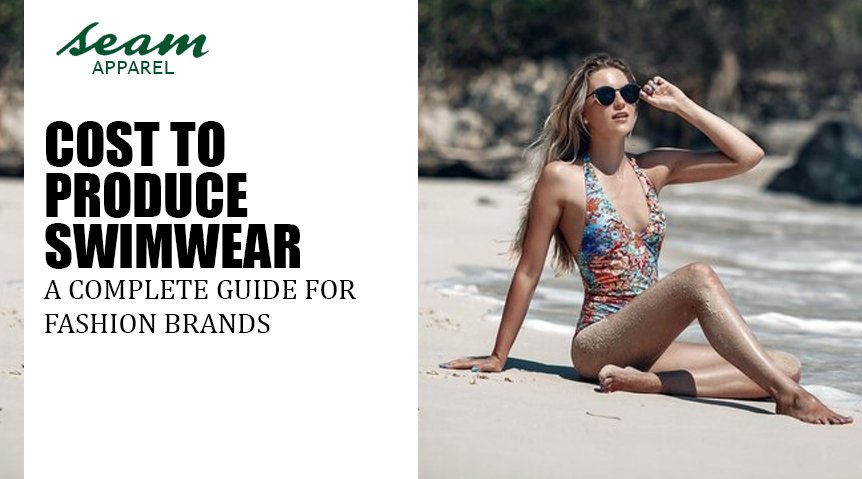
Honestly, this is the category where the most fashion startups misjudge production cost. The garment is tiny, the fabric panels are small, the construction looks straightforward from the outside. Then the first sample comes back, then the second, the fit is wrong across three sizes, and you have burned through a chunk of launch budget before a single retail order ships. Brands that get swimwear right talk to actual swimwear manufacturers before they spec anything. They figure out what is expensive, what is not, and where the budget lands once chlorine-resistant fabric and proper fit testing enter the picture.
Fabric is the big one. By big, I mean the same bikini in nylon-spandex versus polyester-spandex versus recycled nylon can swing 40% in cost. After fabric, the kind of garment you are making matters more than people expect. A triangle bikini and a halter-neck one-piece with a strappy back are not comparable construction jobs, even though both end up in the same catalo category.
Quick aside on that — knowing which types of swimsuits you are committing to before Speccing fabric saves real money. Brands that lock silhouettes first and choose materials around them spend less on sampling than ones that pick fabric first and try to force every silhouette to collaborate with it. Choose the types of swimsuits that fit the brand identity, then go shopping for fabric.
After that, you have trims, printing decisions, and volume. Five variables. None of them optional.
Nylon-spandex blends are what high-end swimwear is made from, and they earn it. Recovery is better, hand-feel is smoother, the garment looks new after twenty wears instead of tired after five. You are paying $8 to $16 per yard for quality nylon-spandex. Worth it for the price points where customers expect it.
Polyester-spandex blends sit one step down. Not bad at all — fine for most retail price points, decent UV and chlorine resistance, costs $5 to $10 per yard.
Then the sustainable category. ECONYL fabric is recycled nylon, made from reclaimed fishing nets and other nylon waste, and it has become the default sustainable choice in swimwear. Price runs $14 to $24 per yard. Here is the thing though: at the right retail price, customers will pay the premium because the story is genuine and the product performs identically to virgin nylon. Two years ago, ECONYL fabric was a niche play. Now it is expected at mid-premium and above.
Fabric typically ends up being 30 to 45% of total per-unit cost.
A bikini set looks like two pieces of fabric and some strings. In reality there’s inner lining for opacity (because nobody wants a swimsuit that goes see-through when it gets wet), cup padding in the top, leg elastic, neck elastic, strap elastic, rings, sliders, and on adjustable styles, hardware that has to actually survive saltwater.
Lining: $0.40 to $1.20 per garment. Cup padding: $0.60 to $1.80. Hardware varies a lot — plastic sliders are free, custom metal hardware costs $0.80 to $2.50 per piece. For a bikini set with adjustable straps and proper lining, $2 to $5 in trims alone is realistic.
Most swimwear prints get done with sublimation printing service because it bonds the dye chemically to the fabric. No chlorine fade, no stretch cracking, no peeling under sun. The pattern becomes part of the fabric. Per-unit cost for an all-over sublimation printing service print is $4 to $9 depending on coverage and complexity. Setup for a modern design adds $150 to $400 on top.
Solid colours run on a different process. Custom fabric dyeing to match a specific pantone cost more than using stock colours, and most mills want a minimum yardage commitment before they will set up a custom dye lot. Stock colours are cheaper. If a specific shade is not critical to the launch, fabric dyeing is one of the easier places to save money on a first run.
Sewing swimwear is not like sewing a t-shirt. Fabric stretches multiple directions, seams must hold under tension without irritating skin, construction must flex without losing shape. Flatlock and overlock seaming are standard but require specific machines, and operators new to stretch fabric make mistakes that show up the second a customer tries the garment on.
Basic bikini bottoms and tops: $3 to $6 per unit in labour. One-pieces with cut-outs, strappy details, complex construction: $6 to $12. The cheapest labour is not the right answer.
| Order Size | Estimated Per-Unit Cost (Basic Bikini Set) |
|---|---|
| Under 200 units | $16 to $26 |
| 200 to 500 units | $11 to $17 |
| 500 to 1,000 units | $8 to $13 |
| 1,000+ units | $6 to $10 |
Sampling costs more in swimwear than most categories because you are evaluating fit across body types, not just sizes. Two rounds easily run $300 to $700. Pattern making is another $200 to $500. Fabric minimums at the mill level mean you sometimes order more yardage than production uses, with the excess being unusable.
A concise list, all real:
These are not dramatic failures. They are small overcommitments that add up to a brand running out of cash before it runs out of season.
The recycled-nylon thing is not a trend anymore. It is where the market is. Brands at mid-premium and up almost must carry a sustainable option in the range or they are conceding a real chunk of the demographic to competitors. Sizing has expanded too — XS through four times is becoming baseline for serious brands, which increases grading costs in a tangible way. And direct-to-consumer is still eating share from established names in the $80 to $150 retail range.
Swimwear customers are fussy. The product is intimate, it is visible, and the price tags make the purchase feel high stakes. A swimsuit that loses shape after the first season, fades from chlorine in three months, or pills from sand and saltwater. That customer is gone. No second chance. Brands that build repeat purchase in this category are the ones who spec the product right on the first try.
Seam Apparel works with swimwear brands, resort wear labels, and private label fashion businesses on production needing stretch fabric expertise, precise cutting, and reliable seasonal delivery. MOQs are flexible enough for startups evaluating a first style and serious enough for brands scaling proven collections. Working with swimwear manufacturers who understand that chlorine resistance, fit accuracy, and print durability are the actual product — not surface features — is the difference between a successful first season and a returns problem.
Basic bikini set, reasonable volume: $8 to $13 per unit before shipping. Premium printed one-piece, sustainable fabric, branded packaging: $20 to $35. Add sampling, multi-size fit testing, and the second-round revisions every brand has, and you are at the actual cost of producing swimwear that does not generate returns. Plan around those numbers. Brands trying to plan around the cheapest quote usually do not make it to a second collection.
Introduction Towels are the quiet workhorse of home, hospitality, and retail. Nobody...

Leggings carry more weight than any other product in an activewear line....
A hat looks simply until you must specify one. Panels, sweatband, closure,...
Shorts sit in more categories than almost any other garment: gym, beach,...
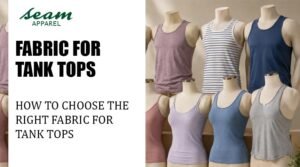
Introduction A tank top is about as simple as clothing gets. Two...