How to Choose the Right Fabric for Towels: Full Guide
Introduction Towels are the quiet workhorse of home, hospitality, and retail. Nobody...
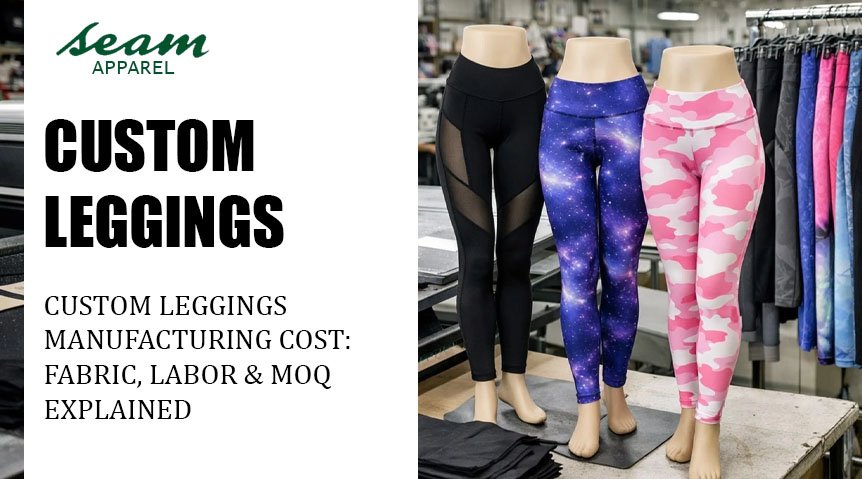
Leggings have invaded our wardrobes. They spend time together at gyms and cafes, schools and airports, and it seems like women’s activewear is not going anywhere soon. So, whether you are discussing a venture into this market, you have the right idea. But before you play with pretty fabrics, mood boards, and your logo in a lockup, you need to get your mind around the costs. Most new founders get blindsided by the numbers, which is why working with experienced sportswear manufacturers who will walk you through the math can save a ton of headaches later.
There is no one closing price. That final cost is determined by a lot of factors: the fabric you want, the intricacy of the design, the quantity you are buying, the location where they are produced, and how much branding you plan to add. They all impact the price – sometimes by a cent, sometimes by a dollar a unit.
Fabric is typically the big-ticket item. Performance leggings tend to have nylon or polyester blended with spandex to stretch, snap back and wick away perspiration. Lounge leggings might be cottoning blends, but they are not great for exercising.
Some other details impact the price:
Sewing leggings is not too hard. Stretchy fabric bounces, seams must resist a lunge, and the garment must be a comfortable fit. So, you need skilled cutters, sewers, and checkers. American and European factories are more expensive per hour, and the quality is (generally) better.
South Asia and Eastern Europe can offer lower labour rates with solid quality, but only if you vet the factory carefully. No matter where you make them, a clean Cut and sew manufacturing process is what separates leggings that last from the ones that pill after three washes.
Every custom touch bumps the per-unit price a little. Sublimation, screen printing, flatlock seams, high-waisted compression bands, branded waistband tapes, woven labels, hang tags, custom poly bags, all of it shows up on the invoice. None of this is optional for a retail-ready product, but you do not need every bell and whistle either. A strong waistband and a tasteful logo usually do more for perceived quality than five different print placements stacked on one pair.
MOQ (Minimum Order Quantity) is a big driver of your unit cost. Manufacturers use minimums Because it does not make sense for them to set up a machine to do a small run. Bigger orders average out the costs; smaller orders will cost more per pair. It will cost twice as much per pair to produce a run of fifty pairs than five hundred pairs. But having large runs of unsold stock is costly. Most contemporary brands find their footing by working with low MOQ clothing manufacturers who let them start small and scale once the orders start rolling in.
Custom Uniform Manufacturing Cost in 2026: Complete Pricing Breakdown for Businesses
Entrepreneurs count the cost of materials and labour, but not much else. Budget for these upfront:
Prices Quoted figures age poorly and are a credibility problem if the real prices vary. Think in tiers instead.
| Cost Factor | Impact | Low-Cost Option | High-Cost Option |
|---|---|---|---|
| Fabric | Highest | Cotton blends, lighter GSM, 2-way stretch | Italy/Korea/US mills, 220–280 GSM, 4-way stretch with finishes |
| Labor | High | South Asia, Eastern Europe | US, Western Europe |
| MOQ | High | Large runs (500+) spread setup costs | Small runs (~50) cost ~2× per pair |
| Customization | Medium | Simple logo, basic waistband | Sublimation, flatlock seams, woven labels, custom packaging |
| Hidden Costs | Medium | Sea shipping, in-house QC, minimal sampling | Air freight, 15–30% duties, lab tests, third-party AQL |
There are some simple steps you can take. Only do two to three styles in your initial drop, not ten. Choose a material that is good and affordable. Place a slightly higher-than-minimum order, instead of minimum. Select a manufacturer who will work well with a startup company. And nail your product development and sampling upfront because mistakes caught late in production are the most expensive kind.
Inexpensive leggings wear out quickly. They say, fade and pill, and that is immediately noticeable. Increasing your initial costs to get better cloth and construction is a brand-safe (and savvy) decision. Studying the different types of leggings out there also helps you figure out which silhouettes, lengths, and features your audience will pay for. Fit and feel are what bring people back for a second pair.
Manage costs with a detailed clothing manufacturing cost sheet
Seam Apparel works with pre-developed and high-profile brands in activewear. Their team strikes the right balance between cost, quality, and scale – no funny business or price-gouging. MOQs on the low side, an active sampling process, realistic fabric advice, and seamless apparel production process means you can get your products off the ground, delivered on time and without over-shipping or over-spending. With founders who are still experimenting with fit and material, the right product development and sample rounds upfront help save precious dollars in the manufacturing process.
Leggings production is not as simple as it might seem. The big ones are fabric, costs, customization and MOQs; all of which need to be considered. Businesses that are prepared, look for experienced activewear manufacturers and can practice patience for the start-up batch always benefit with better profits and satisfied customers. A primer on low MOQ clothing manufacturers and a primer on leggings’ most common types of leggings gives you just that leg up before you start developing that first line. Do it up front, and your leggings business will reward you in the end.
Introduction Towels are the quiet workhorse of home, hospitality, and retail. Nobody...
Leggings carry more weight than any other product in an activewear line....
A hat looks simply until you must specify one. Panels, sweatband, closure,...
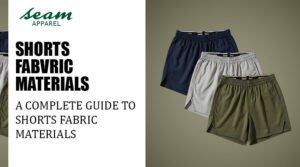
Shorts sit in more categories than almost any other garment: gym, beach,...
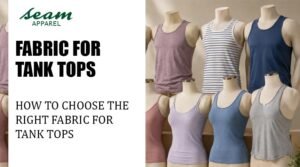
Introduction A tank top is about as simple as clothing gets. Two...