A Complete Guide to Shorts Fabric Materials
Shorts sit in more categories than almost any other garment: gym, beach,...
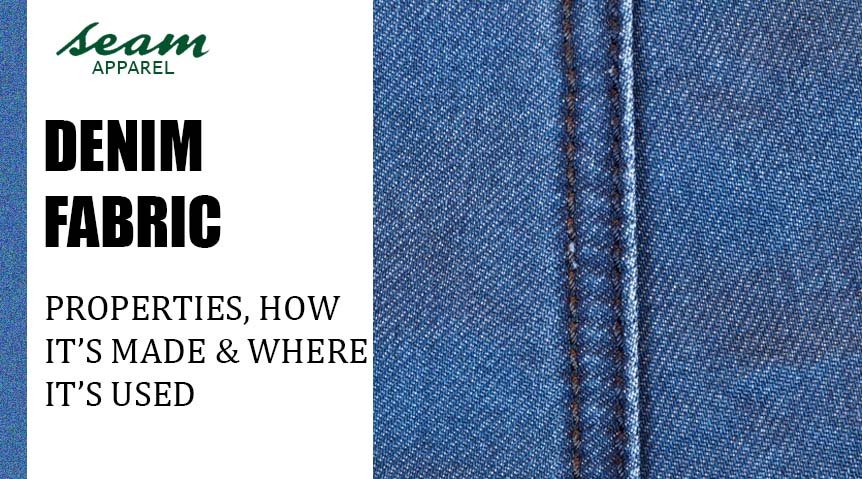
Denim fabric is one of the most recognized textiles in the global apparel industry. It is deeply woven into everyday fashion and lifestyle clothing. It’s a unique combination of toughness, versatility, and style. Which has kept it at the forefront of wardrobes worldwide. In fact, the global denim fabric market is projected to grow to more than $30 billion by 2025 and continue expanding as brands innovate and consumer demand rises.
Designers and manufacturers in the USA rely on denim for products that balance performance with fashion appeal. At Seam Apparel, we help you understand the structure, properties, and applications of denim. This blog will explain what denim fabric is, why it remains so popular, how it’s made, and where it’s used. Thus, offering a comprehensive look at this enduring material.
Denim is one of the world’s most recognizable materials. When you mention “denim jeans,” everyone around you understands what you mean. Denim is popular beyond national and cultural barriers, and the denim jean has become a global icon of American culture.
What exactly is denim, though? Where did this cloth come from, and why has its popularity endured over the decades? We’ll go over all these questions and more as we teach you everything you need to know about denim fabric.
Denim fabric is a strong woven textile, traditionally made from cotton, using a twill weave structure. This weave creates a well-known diagonal rib pattern that is clearly visible on the fabric surface. However, in classic denim, the warp yarns are dyed (usually with indigo). While the weft yarns remain undyed, giving denim its signature blue appearance.
A common misconception is that denim and jeans are the same. Denim fabric refers to the material, while jeans are a garment made from denim.
In simple terms:
| Term | Meaning |
|---|---|
| Denim fabric | The textile |
| Jeans | A product made from denim |
Denim fabric traces its origins back to France. The word “denim” is derived from Serge de Nîmes, which refers to a specific type of fabric manufactured in Nîmes, a town in France. Over time, this warp-faced cotton weave style gained popularity in the region and spread to neighboring Italy.
Genoa quickly became the world’s largest producer of serge de Nimes. Since the French name for Genoa is “Genes,” the name “jeans” stuck when this fabric regained popularity during the American Gold Rush.
Gold miners preferred the durability and repairability of denim-weave cotton, and even though other dye colors were widely available in the American West, manufacturers such as Levi Strauss continued to use the indigo blue dye that Genoan fabric merchants had initially resorted to out of necessity.
| Time Period | Denim’s Role & Impact |
|---|---|
| 18th–19th century | Used as durable workwear for farmers, factory workers, and craftsmen. |
| Gold Rush era (USA) | Popular among miners and laborers, reinforced trousers proved strong for hard work. |
| 20th century | Became a cultural symbol linked to youth, rebellion, and self-expression. |
| Modern era | Used in luxury fashion, streetwear, casual clothing, and utility items; designers experiment with washes, finishes, and silhouettes. |
Over time, American textile manufacturers began producing other garment items out of denim. In the modern world, you can now buy home decor objects created from this durable and aesthetically pleasing fabric. While blue jeans were previously exclusively manufactured in the United States, most of the denim production was moved overseas during the late twentieth century manufacturing migration.
Denim fabric currently comes in too many variations to count, and it has been blended with other fabrics and weave designs ad nauseam as designers have worked tirelessly to establish the latest denim fashion trends. Nonetheless, traditional Levi 501s remain extremely popular around the world, and a specialty business has evolved centered on “raw denim,” a term that appears in every hipster’s lexicon. Denim remains popular worldwide, and this weave is likely to continue to be manufactured as long as cotton is a major textile product.
Read details of Cashmere fabric in our blog too.
Before starting your denim production business, you surely want to know how it is made.
Understanding how denim fabric is made is equally important for designers, clothing brands, and buyers, too. Each production stage directly affects the fabric’s durability, comfort, and long-term performance.
Cotton cultivation is the first step in the denim-producing process. As a defensive strategy, this plant forms a thick ball of fibers around its small black seeds, which can be harvested and separated to make cloth. Most denim fabric begins with high-quality cotton fibers. The length, strength, and cleanliness of cotton play a major role in the final fabric quality. Longer cotton fibers produce smoother, stronger yarns, while cleaner fibers reduce imperfections. Premium denim often uses combed cotton to enhance consistency and durability.
Once the cotton is selected, cotton fibers are cleaned, carded, and sometimes combed before spun into yarn. The warp yarns are spun to be stronger and more tightly twisted. The weft yarns are usually softer, contributing to overall comfort and flexibility.
Indigo dyeing is a defining step in denim production. Warp yarns are dyed using natural or synthetic indigo through processes such as rope dyeing or slasher dyeing. Traditional rope dyeing coats the yarn’s surface while leaving the core white. This structure allows denim fabric to fade gradually with wear, creating unique aging patterns over time.
The dyed warp yarns and undyed weft yarns are woven together using a twill weave, which gives denim its signature diagonal texture.
This weaving method adds strength, flexibility, and visual depth to the denim fabric.
After weaving, denim fabric undergoes finishing treatments to control shrinkage, enhance comfort, and achieve specific looks. Common treatments include:
| Production Stage | What Happens |
|---|---|
| Cotton fiber cultivation | High-quality cotton fibers are grown and harvested. Fiber length and cleanliness affect strength and fabric quality. |
| Yarn spinning | Cotton fibers are cleaned and spun into yarn. Warp yarns are stronger; weft yarns are softer for comfort. |
| Indigo dyeing | Warp yarns are dyed with indigo using rope or slasher dyeing, allowing denim to fade naturally over time. |
| Weaving (warp & weft) | Dye warp yarns and undyed weft yarns are woven in a twill pattern, creating a diagonal texture. |
| Finishing treatments | Fabric is treated to control shrinkage, improve softness, and achieve the desired look and feel. |
Private label manufacturers such as Seam Apparel often work closely with apparel brands to choose finishing methods that match the intended fit, feel, and aesthetic of the final garment.
Understanding denim fabric properties helps determine its best applications.
Denim fabric is known for its resistance to wear and tear, making it ideal for long-term use.
Cotton-based denim allows airflow, offering comfort across different seasons.
Denim weight is measured in ounces per square yard.
Indigo dye fades naturally over time, creating unique wear patterns that many consumers value.
There are several types of denim fabric, each developed to meet specific design, comfort, and performance requirements. Choosing the right type depends on the garment’s purpose, target market, and desired look.
Raw denim is denim that has not been washed or treated after weaving. It feels stiff and firm at first. Many people wear raw denim for months before washing it. This helps the fabric shape itself to the body over time.
Sanforized denim is washed during production to control shrinkage. It feels softer than raw denim. It is easier to wear and care for. However, it does not develop personal wear patterns like raw denim.
Stretch denim is made by blending cotton with elastane or a similar fiber. This makes the fabric flexible and comfortable. It is commonly used for fitting styles such as skinny jeans and slim trousers.
Crushed denim has a textured surface that looks slightly wrinkled. The effect is permanent. This type of denim is often used for jackets, skirts, and fashion-focused designs.
Selvedge denim is woven on traditional looms. It has clean, finished edges along the fabric sides. This type of denim is known for its premium quality and is often used in high-end garments.
Acid-wash denim has a faded and uneven look. It is created by treating denim with chemicals that remove parts of the dye. This style is often linked with vintage and retro fashion.
Poly denim is made by blending cotton with polyester or other synthetic fibers. It is more resistant to wrinkles and shrinking. Some denim purists do not consider poly denim to be traditional denim
Stretch denim is created by blending cotton with elastane or similar fibers.
Washed denim undergoes treatments such as stone washing or enzyme washing.
This type of denim fabric is popular for everyday wear and mass-market apparel.
Denim fabric is also categorized by weight:
Weight selection plays a major role in seasonal collections and garment performance.
Sustainable denim fabric is gaining strong demand in the US market.
Many modern apparel brands now prioritize sustainable denim to meet environmental standards and consumer expectations.
The uses of denim fabric extend far beyond jeans.
This versatility makes denim fabric valuable for brands targeting diverse product lines.
Understanding denim vs jeans fabric and other comparisons helps in fabric selection
| Feature | Denim | Cotton | Chambray | Canvas |
|---|---|---|---|---|
| Weave | Twill | Plain | Plain | Plain |
| Durability | High | Medium | Medium | Remarkably high |
| Weight | Medium–Heavy | Light | Light | Heavy |
| Appearance | Textured | Smooth | Denim-like | Rugged |
Denim stands out for its balance of strength, comfort, and style.
Proper care extends the life of denim fabric.
Sustainability is a growing concern in the apparel industry.
Traditional denim production is water intensive. However, eco-friendly methods are changing this.
Many US-based brands now prefer suppliers that adopt responsible practices. Manufacturers like Seam Apparel support brands exploring sustainable denim solutions without compromising quality.
Denim fabric remains one of the most important textiles in apparel manufacturing. Its durability, adaptability, and wide range of applications make it a long-term staple for fashion brands, manufacturers, and designers.
From understanding what denim fabric is to exploring its properties, production process, and sustainability, informed decisions lead to better product outcomes. As trends evolve, denim continues to adapt, proving why it holds a permanent place globally and why brands across the USA continue to invest in it.
For apparel businesses seeking reliable insights into fabrics and responsible manufacturing, partners like Seam Apparel play a supportive role in turning fabric knowledge into high-quality finished garments.
Traditionally, denim is woven using a twill weave and composed of cotton fibers. To increase comfort and sustainability, modern denim may also contain blends with recycled or elastane fibers.
Jeans are a complete item of clothing made of denim, whereas denim fabric is the textile itself. Additionally, denim can be used to make skirts, shirts, jackets, and accessories.
Denim fabric comes in a variety of forms, such as stretch denim, washed denim, lightweight and heavyweight denim, raw or selvedge denim, and recycled or sustainable denim. Different design and performance requirements are met by each type.
Because the core of denim is white and the warp yarns are dyed with indigo on the outside, the fabric naturally fades. The dye gradually fades with wear and washing, producing distinctive fading patterns.
When made with organic cotton, recycled fibers, and water-saving dye and finishing methods, denim fabric can indeed be sustainable. To lessen their impact on the environment, many American clothing brands now use eco-friendly denim.
Looking to create high-quality denim garments that meet today’s design, performance, and sustainability standards? Partner with an experienced manufacturer that understands fabric, fit, and finish. Seam Apparel works closely with fashion brands and clothing labels across the USA to turn denim concepts into well-crafted products.
Explore your denim options, refine your designs, and move forward with confidence.
Shorts sit in more categories than almost any other garment: gym, beach,...
Introduction A tank top is about as simple as clothing gets. Two...
Most brands take weeks to develop their colour palette, packaging, and then...
You have spent months perfecting the fit, the fabric, the finish on...
Today’s consumers are not just trying your product on; they are looking...