Best Fabric Types for Hats: A Complete Guide for Brands
A hat looks simply until you must specify one. Panels, sweatband, closure,...
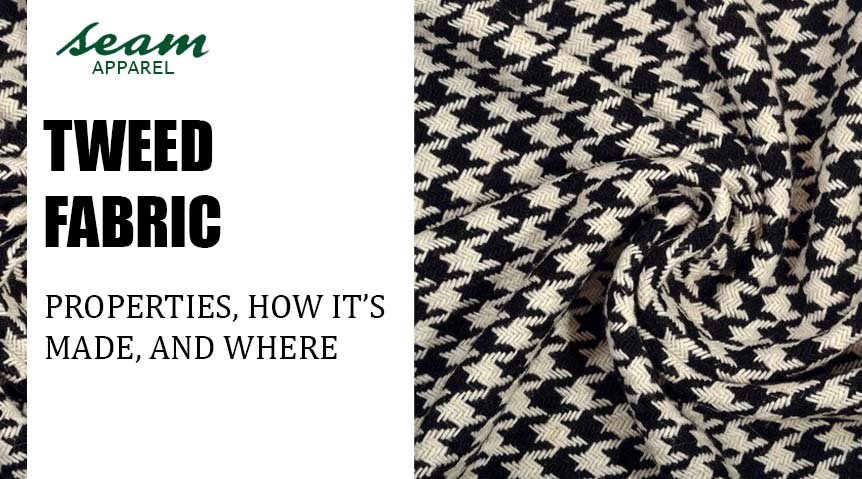
Tweed fabric is one of the most recognized heritage textiles in fashion. It is known for its warmth, strength, and rich texture. For decades, designers and buyers have chosen tweed for structured garments that need both durability and style. From countryside jackets to luxury runway pieces, tweed has remained relevant across seasons.
Its deep connection to tradition gives it a sense of authenticity. At the same time, modern tailoring has brought it back into focus. Today, tweed is not only linked with classic British style but also with contemporary fashion. This balance of heritage and innovation makes tweed fabric a key material for brands that value craftsmanship and long-lasting quality. We’ll also investigate how Seam Apparel will be the right choice for you.
Tweed fabric is a rough-surfaced woven textile, traditionally made from wool. The term “tweed textile” refers to a heavy fabric with a soft yet dense feel. It often features subtle color blends and textured patterns.
Explore a variety of fabric types
At its core, tweed fabric means a wool-based material designed for warmth and protection. It was originally made for outdoor use. The weaving method creates a sturdy cloth that can manage cold weather and regular wear.
Tweed is known for its unique patterns and grainy surface. This texture comes from:
Twisted wool yarns
Tweed has strong roots in Scotland. In the 18th and 19th centuries, Scottish weavers developed this fabric for farmers and estate workers. The material was warm and wind- and light-rain-resistant. It was perfect for outdoor life.
Over time, the British aristocracy adopted tweed for hunting and country sports. This shift changed its image. What began as practical workwear became a symbol of refined taste.
In the 20th century, fashion houses introduced tweed into structured suits and tailored coats. It moved from rural fields to city streets and luxury boutiques. Today, tweed remains a staple in heritage fashion while also appearing in modern collections.
Understanding how tweed material is produced helps buyers assess its quality. The process combines tradition with skilled craftsmanship.
High-quality wool tweed fabric begins with strong, natural wood fibers. The fiber quality affects softness, durability, and warmth.
The wool is cleaned and spun into yarn. Many tweeds use dyed yarns in different colors. These shades are blended to create a flecked or heathered look.
Tweed is woven on looms using structured patterns. Common weave styles include:
The weave direction and yarn colors create the signature texture.
After weaving, the fabric goes through finishing steps:
These processes define the final weight and feel of the tweed textile.
Different regions and weaving styles create distinct tweed variations.
The Harris Tweed Authority oversees the production of authentic Harris Tweed. It is handwoven in Scotland’s Outer Hebrides. This type is protected by law and known for its strict quality standards.
Originating from Ireland, Donegal tweed features colorful flecks in the weave. It has a more rustic appearance.
Herringbone tweed uses a zigzag weave pattern. It is one of the most popular styles of tailored garments.
Some tweeds feature bold check designs. Others remain plain with subtle color blending.
Learn about virgin wool fabric
For designers and buyers, performance matters. Below is a clear overview of tweed fabric properties.
| Property | Description | Buyer Benefit |
|---|---|---|
| Warmth & Insulation | Dense wool traps heat | Ideal for winter garments |
| Durability | Strong weave structure | Long product lifespan |
| Breathability | Natural wool fibers allow airflow | Comfortable wear |
| Texture & Weight | Medium to heavyweight | Structured silhouettes |
| Weather Resistance | Manages wind and light moisture | Suitable for outerwear |
Tweed is part of premium winter fabric types because it balances comfort with structure.
A balanced view helps with sourcing decisions.
Pros
Cons
Read more: What is Conly Fabric
Tweed is far more than just a jacket material. Because of its weight and resistance to wear, it works across multiple categories, moving easily from the wardrobe to the living room.
Tweed is the gold standard for structured apparel. It holds its shape better than most fabrics, making it ideal for the following:
Small-scale tweed adds a touch of heritage to everyday items. You will often find it used in:
The same durability that protects a hiker in the highlands makes tweed perfect for high-traffic home environments.
Buyers often compare tweed with other luxury woven fabrics.
| Fabric | Texture | Warmth | Durability | Typical Use |
|---|---|---|---|---|
| Tweed | Rough, textured | High | Extraordinarily strong | Coats, jackets |
| Flannel | Soft, brushed | Medium | Moderate | Shirts, suits |
| Wool Suiting | Smooth | Medium | Moderate | Formal suits |
| Bouclé | Looped texture | Medium | Varies | Fashion jackets |
Tweed stands out for its structure and weather resistance. Flannel feels softer but is lighter. Wool suiting is smoother and more formal. Bouclé offers texture but less rugged strength.
Tweed is made from natural wood fibers. Wool is renewable and biodegradable. This gives tweed an advantage over synthetic winter fabrics.
Another key factor is longevity. Tweed garments can last for years. This supports slow fashion and reduces waste.
However, responsible sourcing matters. Ethical wool production and animal welfare practices are important when selecting suppliers. Brands should request transparency in the supply chain.
Check out our Wool Fabric Guide for more information about the properties of wool.
Tweed is no longer just for old-fashioned country jackets. Designers now use it in:
High-end brands often give tweed a new look by using different colors. High-street brands change it into lighter blends so that more people can buy it.
This revival shows that heritage fabrics can change over time without losing their identity.
If you are exploring seasonal materials, review our guide to winter fabric types.
At SEAM Apparel, as a private label apparel manufacturer, classic woven fabrics are part of our design philosophy. Tweed stands for quality, skill, and long-lasting value.
Our team knows how to turn old textiles into new collections. This information helps brands make clothes that look good and last a long time.
Look into high-quality fabrics
Find out more about our textile knowledge.
Wool is the traditional material for tweed fabric. The wool fibers are spun into yarn, dyed in different colors, and then woven into a thick, textured cloth. Some new types of tweed may have small amounts of other fibers mixed in, but real tweed is made of wool.
Tweed is best when it’s cold outside. Because of its thick weave and natural insulation, it is perfect for clothes for fall and winter. Because it is heavy and warm, it is not often used in hot weather.
Tweed is thicker and rougher than wool suits or flannel. It is woven in patterns like check or herringbone, which make it look neat and last a long time. This means that tweed is better for coats and jackets.
Tweed is known for being strong and lasting a long time. The tight weaves and high-quality wool fibers help clothes keep their shape and structure over time. If you take care of them, tweed pieces can last for a long time.
Tweed is made from natural wool, which can be used again and will break down in the environment. Its long durability also supports slow fashion practices. Sustainability depends on responsible wool sourcing and ethical production standards.
Tweed fabric combines heritage, strength, and elegance in one material. It began as practical outdoor wear and developed into a symbol of luxury tailoring. Because it has a texture surface, is warm, and lasts a long time, it’s great for structured pieces and winter clothes.
Knowing how tweed is made helps designers, buyers, and textile students make smart choices about where to get it. Every step, from choosing the wool to finishing, affects the final quality.
Tweed is still important because fashion values authenticity and designs that last. Looking into high-quality woven fabrics like tweed can improve collections and strengthen craftsmanship at all levels.
Looking forward to Work with us?
Contact Us today for your next order!
A hat looks simply until you must specify one. Panels, sweatband, closure,...
Shorts sit in more categories than almost any other garment: gym, beach,...
Introduction A tank top is about as simple as clothing gets. Two...
Most brands take weeks to develop their colour palette, packaging, and then...

You have spent months perfecting the fit, the fabric, the finish on...