Top 15 Custom Sweatshirt Manufacturers in the USA
Ask any founder what their best-selling product was in year two, and...
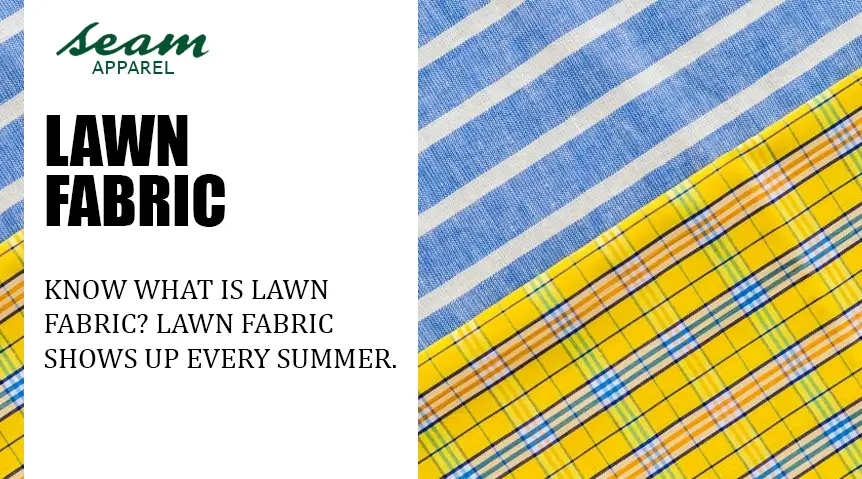
Know what is Lawn Fabric? Lawn fabric shows up every summer. Not because it’s trendy—because it works. It’s light, soft, and doesn’t make garments feel heavy or stiff. This lightweight cotton fabric is known for its smooth hand feel, breathable weave, and strong print clarity. Fine details show well on the lawn. That makes it ideal for seasonal fashion.
In hot weather, fabric performance becomes important. Lawn material allows better airflow, which helps garments feel cool and easy to wear throughout the day. It feels light on the skin. That’s the main thing people notice. Because of these qualities, many designers, apparel brands, and manufacturers choose it for spring and summer collections.
For a broader understanding of how different premium materials compare, explore luxury Fabric Types, which explains how fabrics vary in structure, feel, and performance across fashion applications.
Cotton remains one of the most widely used fibers in apparel manufacturing because it works across both basic and premium clothing categories. Cotton makes up around 24% of global fiber production used in textiles, showing its long-term value in clothing manufacturing and fabric development. Its versatility keeps it in demand across different product categories.
What makes lawn fabric useful is not one thing but a combination:
That’s usually why brands stick with it for warm-weather collections.
The word “lawn” is believed to come from Laon in France, where fine linen fabrics were once produced.
Originally, lawn was made from linen. It was used in delicate clothing because of its softness and light feel.
Later, cotton replaced linen in production. That shift happened when cotton became easier to spin and more suitable for mass manufacturing. It also reduced costs, which made it practical for larger textile production.
From there, cotton lawn spread into global textile markets and became a summer staple in fashion.
The process itself isn’t complicated. But small steps make a difference. Even small differences in yarn quality can change how the final fabric feels after washing.
It starts with selecting high-quality cotton fibers. Longer fibers are preferred because they produce smoother and stronger yarns. This directly affects the softness and durability of the fabric.
The cotton fibers are spun into fine yarns. This step is important because thinner yarns contribute to the lightweight and soft feel of lawn fabric.
Lawn fabric is made using a plain weave technique. Each thread crosses over and under in a simple, consistent pattern. While the structure is basic, the use of fine yarns creates a tight and smooth surface.
This combination gives the fabric its clean finish and lightweight feel.
Once woven, the fabric goes through finishing treatments such as:
These steps enhance both appearance and comfort, giving lawn fabric its final refined quality.
Lawn fabric comes in different variations depending on fiber blends and finishing methods.
The most common type. It is breathable, soft, and widely used for everyday summer clothing.
Made from fine linen fibers, this version has a slightly textured feel but remains lightweight.
A blended variation that includes silk fibers, offering a smoother and more premium finish. You can explore silk qualities in our Silk Fabric Guide, which explains how silk-based textiles behave in luxury apparel production.
For a clearer understanding of silk structure differences, Dupioni vs Shantung Comparison, which breaks down texture, sheen, and fabric behavior in premium silk categories.
Popular in fashion collections. Its smooth surface supports detailed prints and vibrant color work.
Lawn fabric is commonly used in apparel manufacturing for warm-weather clothing. The fabric feels light on the body and stays comfortable during long hours of wear. Air passes through the weaves easily, which helps reduce heat buildup in summer conditions.
The surface feels soft without feeling slippery. That is one reason lawn is commonly used for garments worn directly against the skin.
Manufacturers also prefer lawn fabric for its cleaner finish and lighter appearance. The fabric gives clothing a neat appearance without adding extra weight. Some lawn fabrics also have a slightly sheer look. In fashion design, that soft transparency is often used intentionally for lighter seasonal styles.
Every fabric used in garment production comes with certain advantages and limitations. Lawn fabric is no different. Some lower-grade lawn fabrics can lose softness after repeated washing, especially when cheaper cotton is used.
Lawn fabric performs well in hot climates because of its breathable structure. It stays comfortable throughout the day and does not feel heavy during wear.
The fabric also falls naturally on the body. That makes it suitable for dresses, shirts, tunics, and loose-fitting garments.
Print quality is another advantage. Patterns usually appear clear and sharp on lawn because of the smooth surface.
Lawn fabric is lighter than many other cotton fabrics, so it may not handle rough use as well as heavier materials.
Some variations can appear semi-transparent, especially in lighter shades. In those cases, brands may add lining depending on the garment design.
The fabric also needs careful washing and ironing. High heat and rough handling can affect the finish overtime.
Lawn is widely used in summer apparel collections. Many brands choose it for warm climates where heavier fabrics become uncomfortable.
It is commonly seen in shirts, blouses, dresses, and tunics. The fabric gives these garments a clean and polished appearance while still feeling easy to wear.
Scarves are another common application because lawn stays soft and lightweight fabric.
In baby clothing, manufacturers often use lawn fabric because the texture feels gentle on sensitive skin.
Some textile producers also use lawn fabric for lightweight home products such as curtains and pillowcases.
Lawn fabric is often compared with voile, muslin, and poplin.
Voile feels softer and looks more transparent. Poplin has a firmer structure and slightly more weight. Muslin usually feels more relaxed and less refined.
Lawn fabric sits between these options. It offers softness without becoming too delicate. At the same time, it keeps enough structure for cleaner garment shapes.
That balance makes lawn fabric useful across different apparel categories.
The sustainability of lawn fabric depends mostly on the cotton sourcing and production process.
Since lawn fabric is generally cotton-based, it can break down naturally over time. That gives it an advantage over fully synthetic textiles.
Still, cotton production methods vary across suppliers. Responsibly sourced cotton usually creates less environmental impact during farming and processing.
Some manufacturers now produce organic cotton lawn fabric. These options reduce the use of aggressive chemicals during cultivation.
Product lifespan also matters. When lawn garments are maintained properly, they stay wearable for longer periods. Fewer replacements can help reduce textile waste over time.
Lawn fabric continues to appear in seasonal fashion collections year after year. It is especially common during spring and summer production cycles. Many brands still return to lawn every season simply because customers already know how it feels in summer.
The main reason is comfort. The fabric stays breathable and does not trap excessive heat during wear.
Printed lawn fabric is also widely used because the surface holds color and detail clearly. Floral prints, geometric patterns, and digital designs usually appear sharper on lawn compared to rougher fabrics.
The fabric is popular in resort wear and relaxed clothing lines as well. Structured cuts are less common. Softer silhouettes work better with lawn fabric because of its lightweight nature.
In hotter regions, lawn fabric is often treated as an everyday summer material rather than a trend-based option.
At SEAM Apparel, fabric selection is an important part of product development. The fabric directly affects comfort, appearance, and garment performance.
Lawn fabric works well for warm-weather collections because it stays breathable without losing visual quality. The material feels light while still giving garments a finished and refined look. For deeper insight into how fabric selection shapes production quality and consistency, explore Fabric Expertise at SEAM Apparel, where material sourcing and development processes are explained in detail.
From the manufacturing side, consistency matters too. Cotton lawn performs reliably during bulk production, which helps maintain quality across larger orders.
The fabric also supports different design directions. It works well for simple basics as well as detailed printed collections.
SEAM Apparel works closely with brands during sourcing and manufacturing to select fabrics that perform well beyond sample development and showroom presentation.
Lawn has stayed relevant for years because it solves a simple problem well. It keeps garments lightweight, breathable, and easier to wear in warmer conditions. Lawn fabric stays popular mainly because it feels easy to wear in hot weather. The softness and smooth finish are additional advantages.
It is widely used across dresses, shirts, scarves, and baby wear because it offers both comfort and visual appeal. The fabric also supports strong print clarity, which adds value in fashion production.
As demand for lightweight and wearable textiles continues growing, lawn fabric remains an important material in modern apparel collections.
Fabric choice decides how your product feels the moment someone wears it. Lightweight materials like lawn fabric help brands create comfortable, breathable, and visually strong summer apparel.
If you’re planning a summer collection, getting the fabric right early saves time later. That’s where SEAM Apparel comes in.
Ask any founder what their best-selling product was in year two, and...
Introduction Towels are the quiet workhorse of home, hospitality, and retail. Nobody...
Leggings carry more weight than any other product in an activewear line....
A hat looks simply until you must specify one. Panels, sweatband, closure,...
Shorts sit in more categories than almost any other garment: gym, beach,...