Best Fabric Types for Hats: A Complete Guide for Brands
A hat looks simply until you must specify one. Panels, sweatband, closure,...
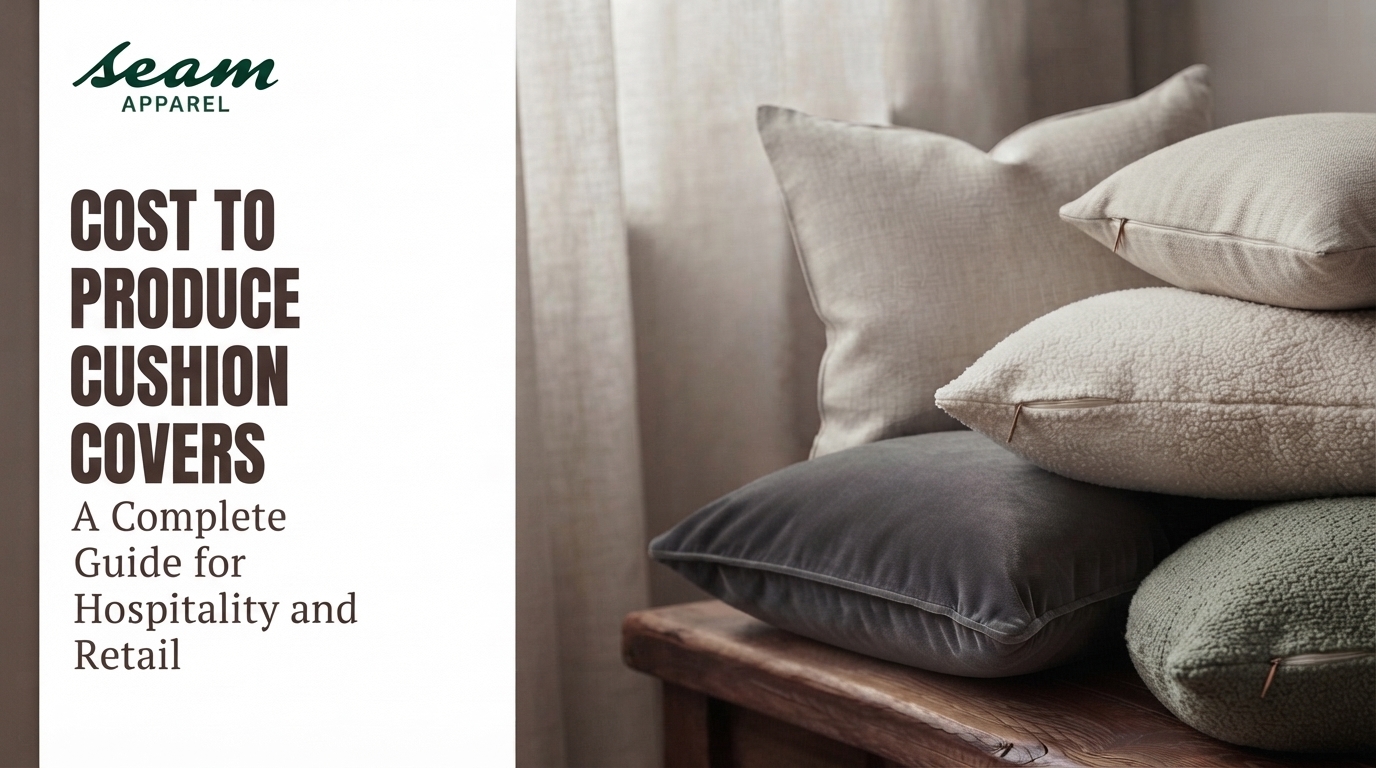
Cushion covers are one of the smallest products in home décor, yet they carry outsized influence over a brand’s margins. Retailers, hospitality buyers, and private label sellers lean on them for seasonal refreshes and quick wins. If you are sourcing from custom cushion cover manufacturers, understanding cushion cover manufacturing cost before committing to a run saves you from pricing mistakes that are hard to walk back. In 2026, costs shift based on fabric, printing, closure type, and order volume. Here is what moves the needle.
The five factors that determine the cost per unit are the type of fabric, complexity of the design, printing or embellishment, closure, and order quantity. A heavy weight zippered embroidered linen cover is more expensive than a polyester cover of the same order quantity, even though it is a simple envelope type cover. Because cushion covers fall under the wider umbrella of home textile manufacturing, many of the same cost drivers that shape towels and bedding apply here too.
Fabric is the largest single component of the manufacturing costs of cushion covers. Cotton is a versatile fabric that is affordable and suitable for everyday outfits. Linen gives a more luxurious feel and is more expensive but requires some diligence when finished. Polyester is an affordable, long-lasting fabric, so it is frequently featured in wholesale cushion cover manufacturer catalogs designed for mass retail. Velvet is on the luxury end and is better for boutique or hospitality lines and canvas is good for high-traffic use. In addition to the fibre, the GSM, texture, and finish can make a fibre more expensive or cheaper before it is sewn.
The budget is most likely to vary when it comes to customization. Digital printing is ideal for small runs of multi-colour work but is still more expensive than bulk printing. Screen printing flips that are less practical for complex designs, cheaper at volume. Embroidery is a sign of high-quality branding and so will cost you as much. As a rule, the more colors, and placements the more expensive it will be to produce cushion covers for any order size.
All the cutting, stitching, seam finishing, and closure attachment are labor hours which do not appear on a fabric invoice. Matching patterns on printed fabrics is a time-consuming process and requires additional attention for matched motifs. Anyone who has priced out a full clothing manufacturing cost breakdown for apparel will recognize the pattern: precision drives labor cost up regardless of category.
Zipper closures are the most popular and moderately priced, envelope closures are easy and inexpensive and button closures are decorative but require additional labor. Construction choices like this effect both cost and how the finished cover is positioned at retail.
Woven labels, hangtags, and custom packaging turn a generic cover into a retail-ready product, but each element adds per-unit cost. Embellishments like tassels, piping, and trims do the same, often more than buyers expect going in. None of this is wasted spend: branding often separates a pillow cover manufacturing cost that barely breaks even from one that supports healthy retail margins.
Labels, hangtags, and custom packaging all add per-unit costs to a generic cover, but woven ones make it a retail-ready product. It is the same with embellishments such as tassels, piping, and trims; they do the same, and maybe more than the buyers expect when they first come into the store. The minimum order quantity has the greatest impact on pricing of all these factors. Low MOQ runs are more expensive per unit due to the set-up and fabric waste being distributed over fewer units, whereas bulk production quickly reduces the number of units. Working with low MOQ manufacturers gives smaller brands room to evaluate a custom cushion cover production cost model before committing to larger runs.
Sampling, tech pack development, fabric sourcing, packaging, and shipping all sit outside the obvious per-unit price and catch first-time buyers off guard. Product development and sampling alone can take several rounds before a design is production-ready, and each round carries a cost even if it never reaches a customer. Once the product is out of the factory, logistics becomes an additional challenge, especially if the order is for international delivery or for the hospitality sector where the delivery time is critical.
Exact cost to make cushion covers depends on your specifications, but general tiers hold steady across the industry:
| Cover Type | Fabric | Printing / Detail | Typical MOQ | Relative Cost |
| Basic | Cotton or polyester | Minimal or screen print | Low | Higher per unit |
| Mid-range | Cotton or linen blend | Digital print, light embroidery | Moderate | Moderate |
| Premium / Custom | Velvet, linen, silk | Embroidery, trims, multi-color | Higher | Higher overall, lower per unit at scale |
Basic covers ordered in low volume carry the steepest per-unit price. Premium covers cost more overall but can lower per-unit price meaningfully once volume increases.
Sustainable fabrics keep gaining ground, and personalization is no longer niche, buyers expect custom sizing as standard. Recycled polyester fabrics and organic cotton growth are leading that sustainable shift, while digital textile printing and AI-assisted pattern development are speeding up how modern designs move from concept to production. Demand for hospitality-grade home textiles is rising too, alongside a growing preference for textured and tactile finishes. Private label brands in home textile manufacturing keep multiplying, which raises competition on price and finish quality, pushing home décor manufacturing cost expectations higher. A few choices bring costs back down, though: standard fabric options, simpler prints, envelope closures instead of zippers where the design allows it, limited customization, and larger order quantities. Working with low MOQ manufacturers to evaluate a design before scaling into bulk is often the smartest sequence for a growing brand.
Cutting corners on fabric or finishing shows up fast, in returns, reviews, and repeat orders that never come. Premium materials and careful construction cost more upfront but tend to pay for themselves through customer satisfaction. This is the same logic behind clothing manufacturing cost decisions in apparel more broadly, and it holds just as firmly for home textiles. A manufacturing partner experienced in custom apparel manufacturing brings that same discipline to cushion covers, treating fabric and finish as an investment rather than a line item to shrink.
Seam Apparel brings deep textile and home décor production expertise to every cushion cover project, guiding brands through fabric and printing selection instead of leaving that decision to guesswork. Flexible MOQ options mean startups and established retailers work within the same system without compromising quality. Efficient product development and sampling keeps rounds moving quickly, and that focus on consistency is why brands already working with our custom cushion cover manufacturers program tend to return for repeat seasonal collections.
Cushion cover manufacturing costs come down to a handful of decisions: fabric, printing, construction, and how much customization you build in. None of these variables are fixed, so smart choices at the design stage protect your margins later. Bulk production remains the most dependable way to bring per-unit cost down, but only once you have locked in the fabric and finish that match your brand. The right partner, one who understands both custom apparel manufacturing and the specifics of home textiles, makes the difference between a collection that scales cleanly and one that eats into profit at every reorder.
A hat looks simply until you must specify one. Panels, sweatband, closure,...
Shorts sit in more categories than almost any other garment: gym, beach,...
Introduction A tank top is about as simple as clothing gets. Two...
Most brands take weeks to develop their colour palette, packaging, and then...
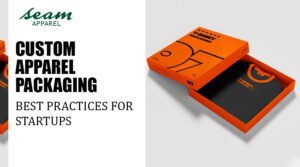
You have spent months perfecting the fit, the fabric, the finish on...