How to Choose the Right Fabric for Towels: Full Guide
Introduction Towels are the quiet workhorse of home, hospitality, and retail. Nobody...

A sweater keeps you warm. Fine. What’s interesting is everything else it does, the way one garment can carry a whole collection or sink it. Sourcing a winter line? Or just trying to tell a turtleneck from a mock neck for once? Either way, knowing your jersey fabric from a chunky cable knit changes how you shop and how you design. Wrong call, it sits. Right call, it sells. We’re doing 41 types. And if you want the material side in more depth, the jersey fabric guide has you.
The neckline runs things. Formality, warmth, mood, all of it starts here.
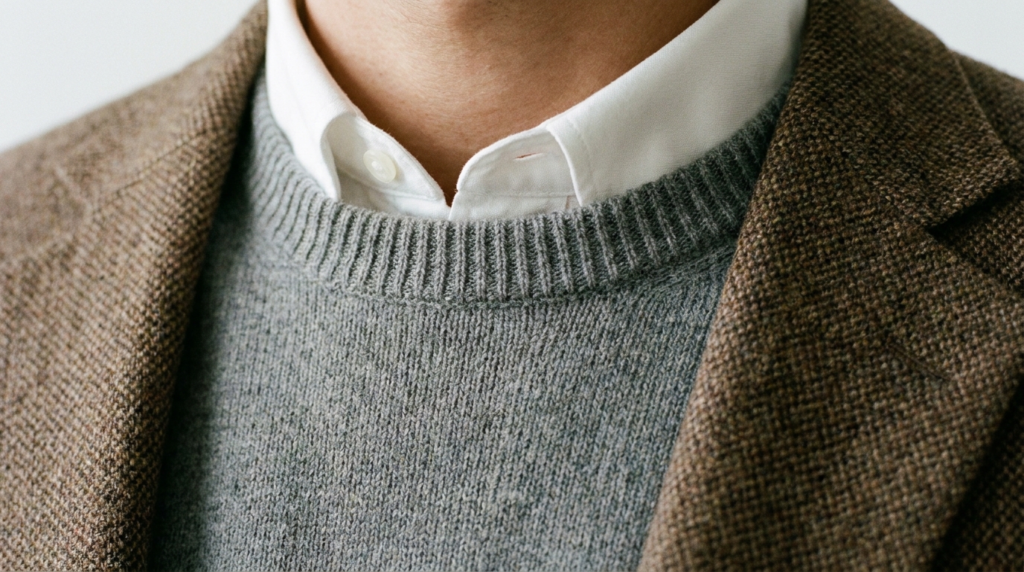
Round, snug, the one everybody already owns. Denim, blazer, whatever. It works. Office, weekends, the school run, it never looks out of place. A collared shirt underneath smartens it up in a second.
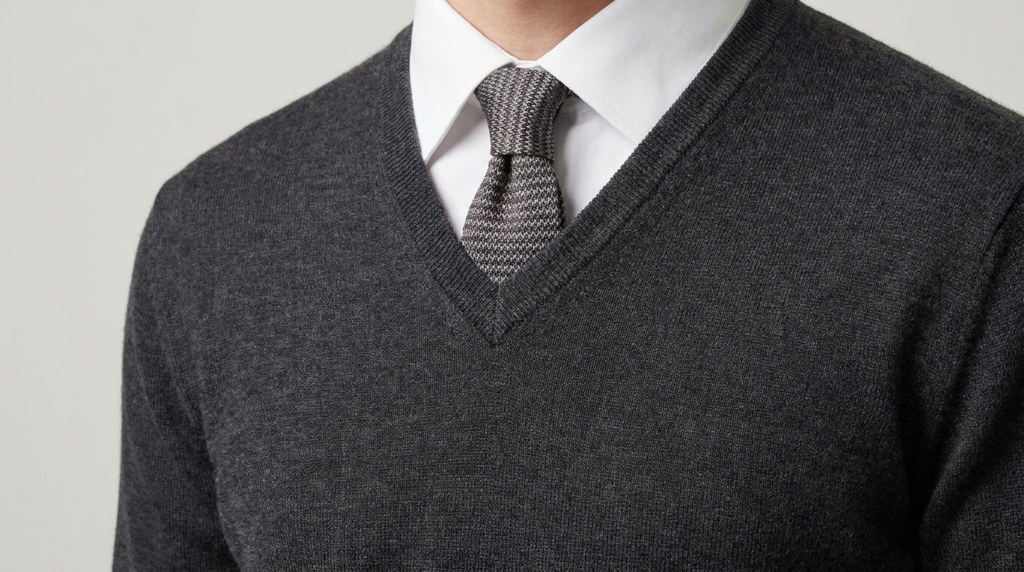
Opens the chest up. Makes you look taller. Collared shirt underneath and you’re set. Good for smart-casual days and anywhere a bit of polish helps. A fine-gauge one layers under a jacket without bulking up.
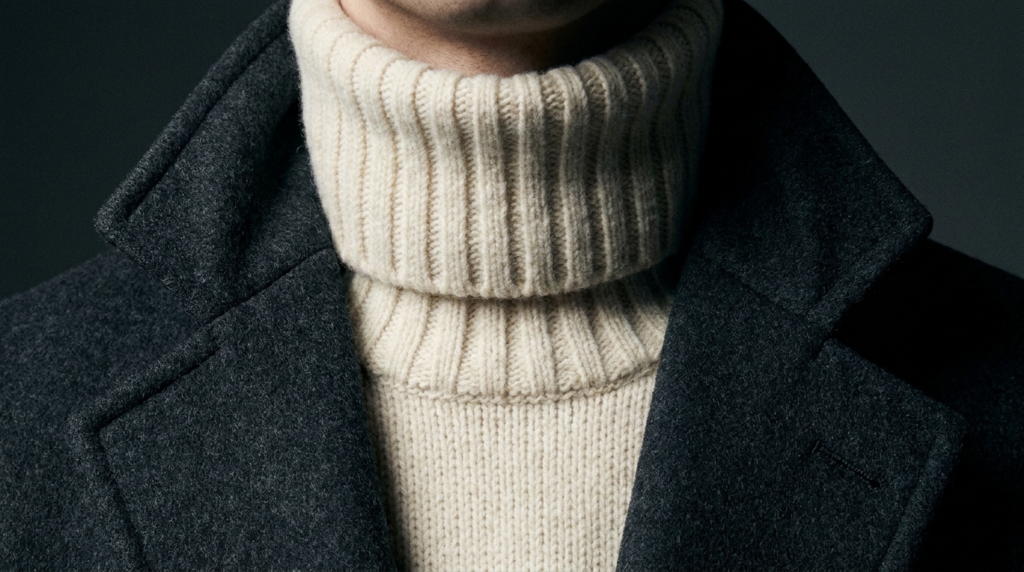
High and folded. A bit dramatic. Save it for the cold days. Or a dinner where you want to look pulled together. Slide it under a wool coat and let the neck show.
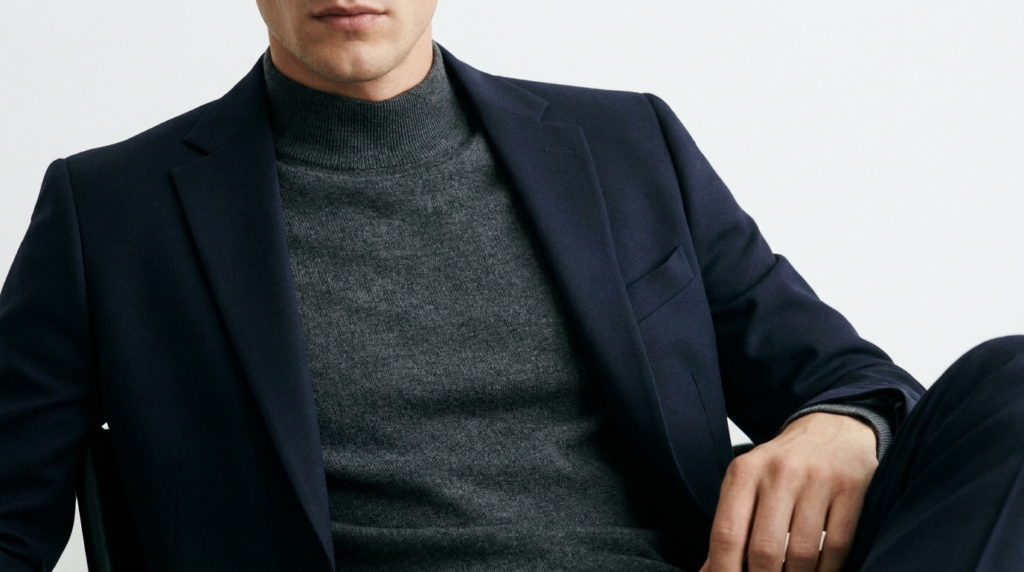
A turtleneck without the commitment. One layer, less fuss, layers better. Wear it to work, or out at night when a full turtleneck feels like too much. It sits clean under a blazer.
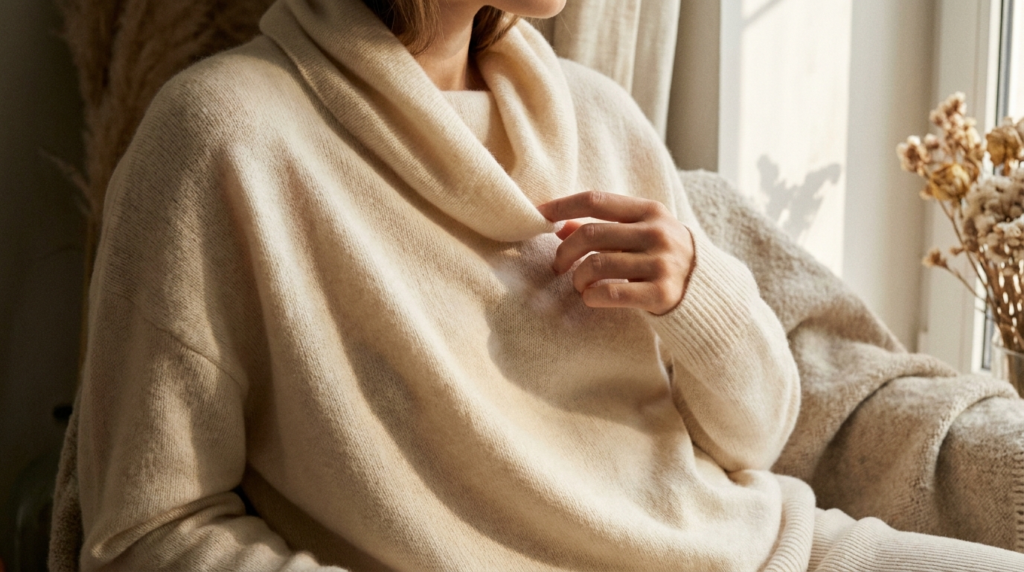
Loose folds at the front. Soft. Slow-weekend stuff. Keep it for lazy days at home or coffee runs. Straight jeans or leggings, and leave it loose.
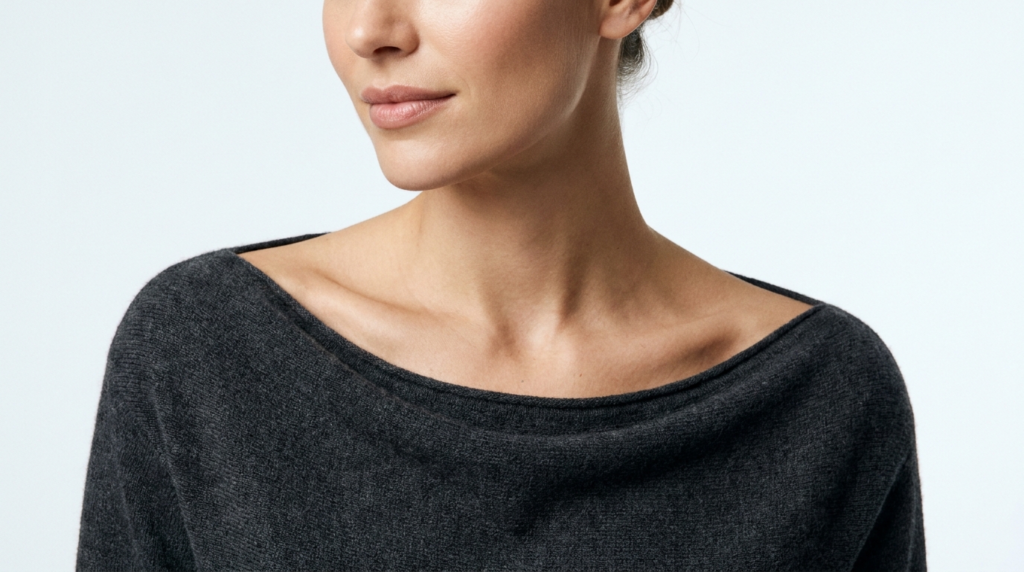
Wide, shallow, sits across the collarbone. Flatters without trying. Lovely for dinners and date nights. Wide-leg or tailored trousers balance it out.
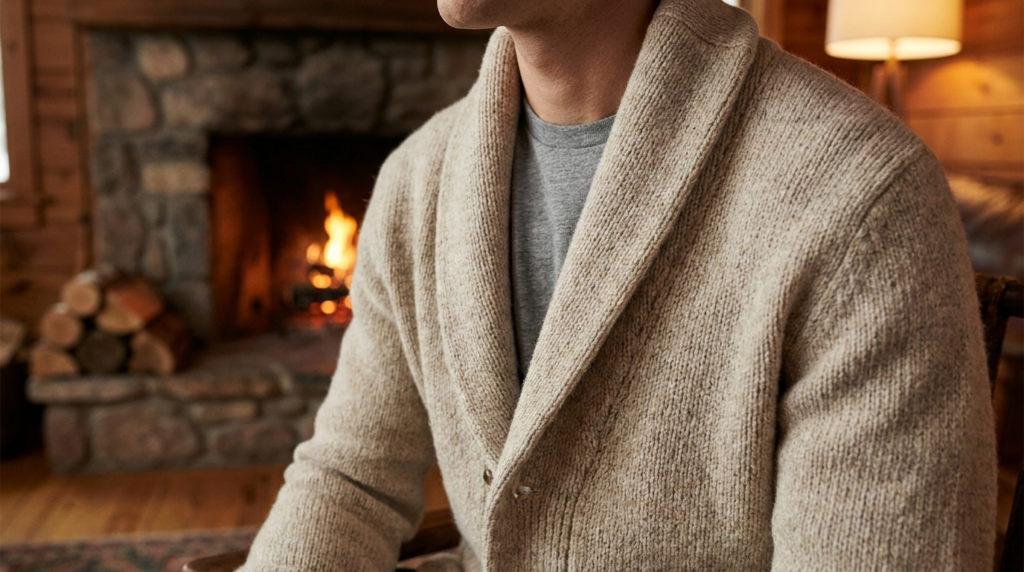
Rolled and overlapping. Reads cabin-and-fireplace, and I mean that as a compliment. Made for cold weekends and slow evenings. Throw it over a tee with cords and you’re sorted.
Length is proportion. And in 2026, proportion is the whole thing.
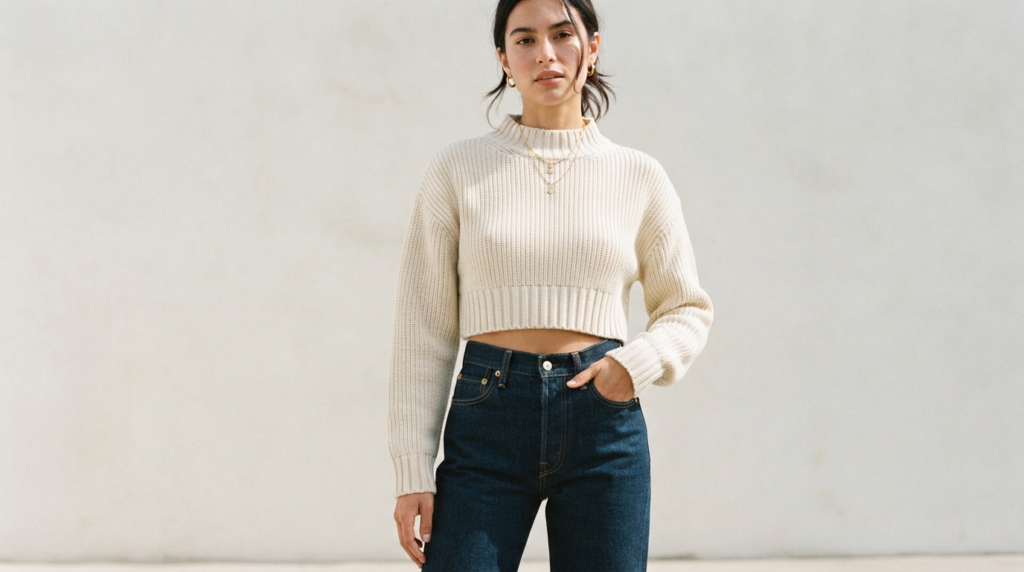
Stops above the waist. Made for high-rise everything. Good for nights out and warmer indoor days. It sits best over high-waisted jeans or a long skirt.
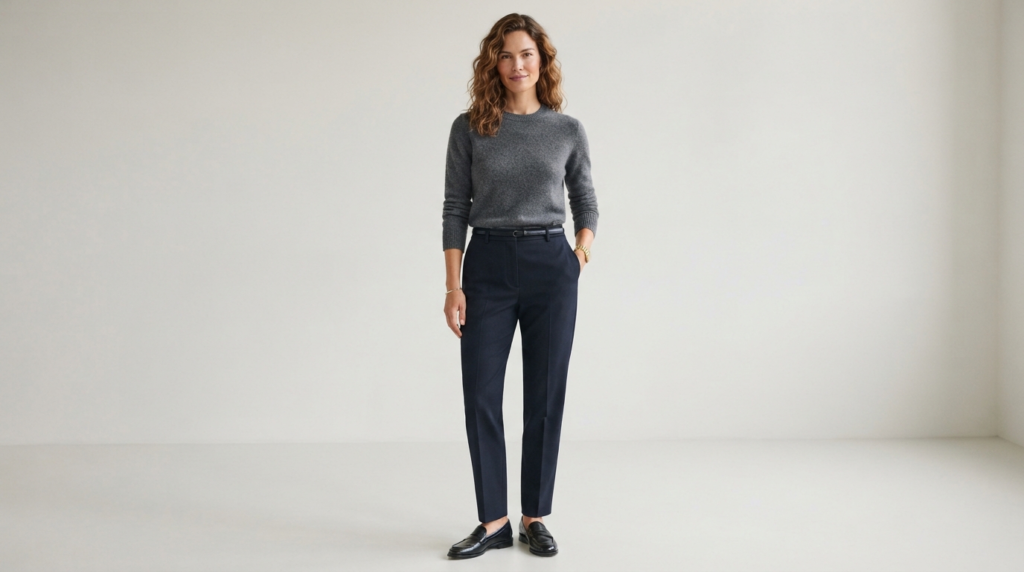
Hits the hip. Works on nearly anyone. The safe pick for work, travel, errands, anything. Tuck the front into trousers for a sharper line.
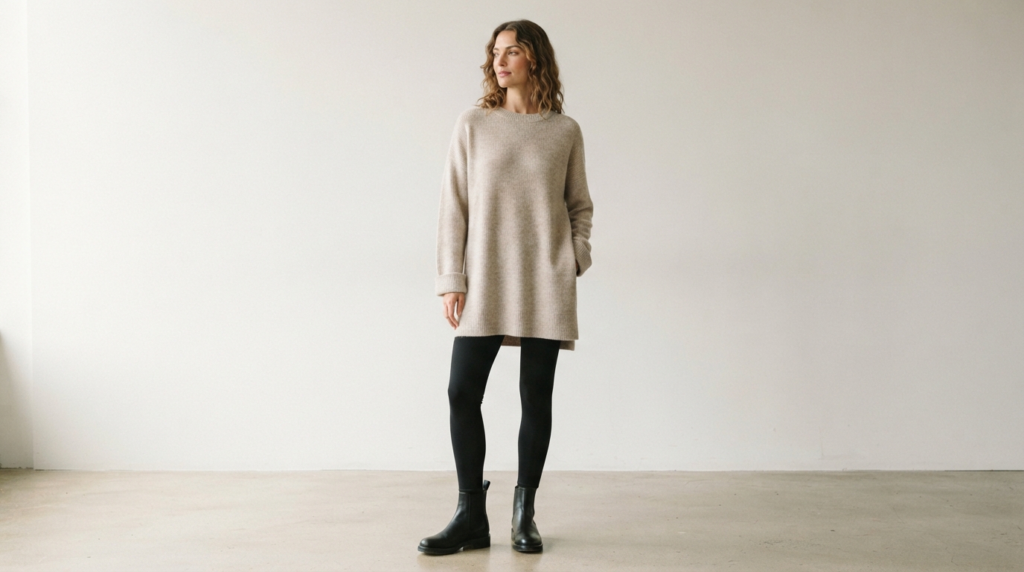
Past the hip, toward the thigh. Leggings love it. Great for casual days and travel. Belt it over leggings, or let it skim with ankle boots.
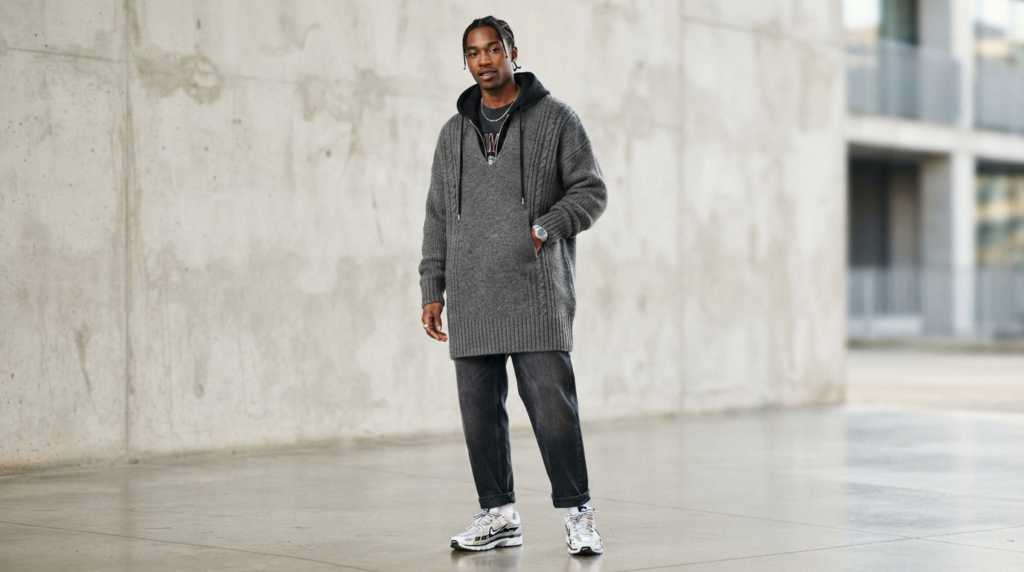
Thigh-length, lazy drape. Streetwear’s all over it. Layer it over a hoodie with trainers, or wear it solo as a near-dress.
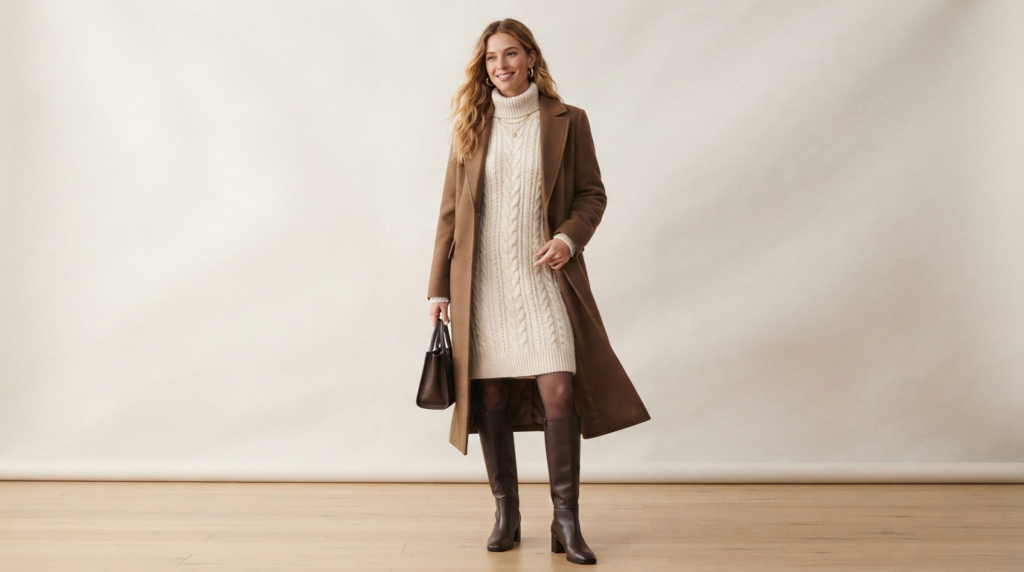
An outfit pretending to be knitwear. Belt it for work. Let it hang the rest of the time. Add knee boots and a long coat when the cold sets in.
This is where the money is. Fiber sets the price, the warmth, and how long it survives a real closet.
| Material | Feel & Warmth | Best For | Relative Cost |
| Wool | Warm, breathable, tough | Everyday winter staples | Moderate |
| Cashmere | Soft, light, properly luxurious | Premium and gifting lines | High |
| Acrylic | Soft, light, kind to the budget | Volume and fast-fashion runs | Low |
| Cotton | Breathable, year-round, low maintenance | Transitional casual pieces | Low to moderate |
| Merino | Fine, Odor-resistant, temperature-smart | Performance and travel knits | Moderate to high |
| Alpaca | Silky, hypoallergenic, seriously warm | Statement luxury pieces | High |
Gut-check for brands. Cashmere buys you margin and prestige. Acrylic buys you reach. Merino? Shoppers ask for it by name now, so it’s rarely the wrong move.
The personality section. Stitch and surface are what turn a plain piece into one people remember.
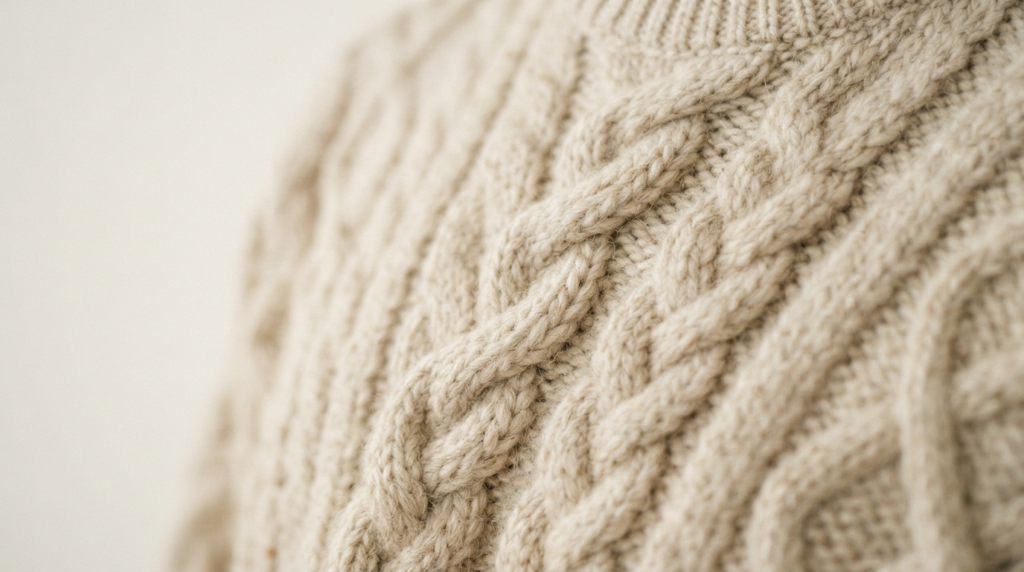
Twisted rope columns. Cozy. Classic. Won’t die. Pull it out on the coldest weekends. It carries a whole outfit, so keep the rest plain.
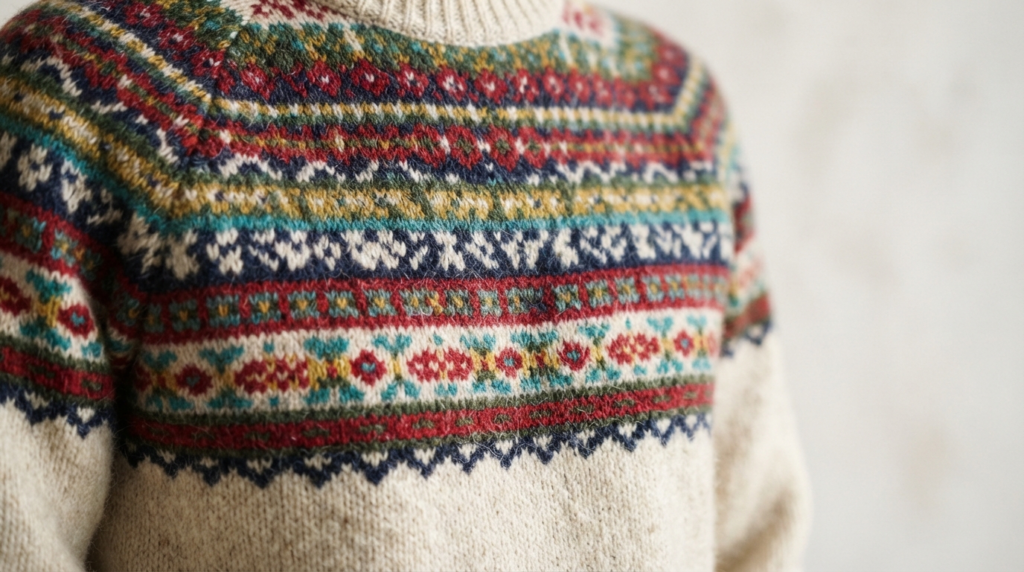
Color bands in geometric repeats. Heritage with a festive edge. A holiday-season staple. Let it lead and dress everything around it down.
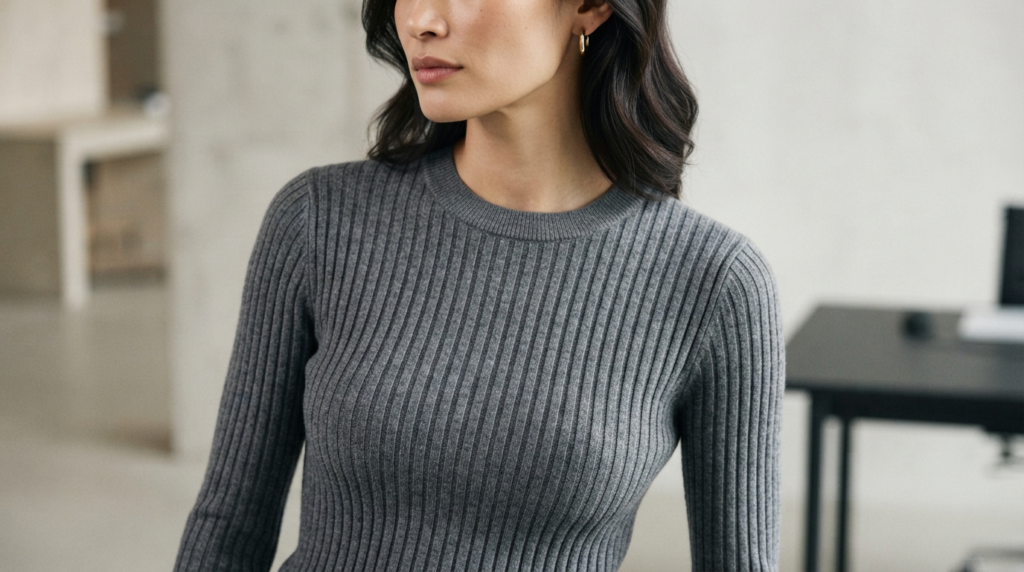
Vertical raised lines, hugs close. Sleek and stretchy. Good for work and for layering. It slides under a blazer without adding bulk.
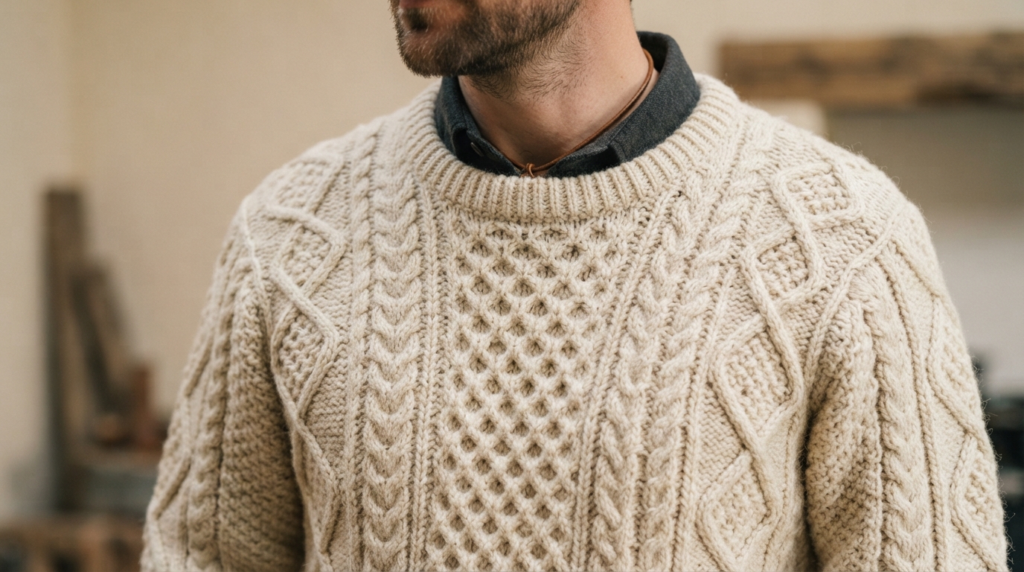
Dense Irish stitchwork. Heavy in the good way. Built for harsh weather and country weekends. Heavy boots and denim suit it.
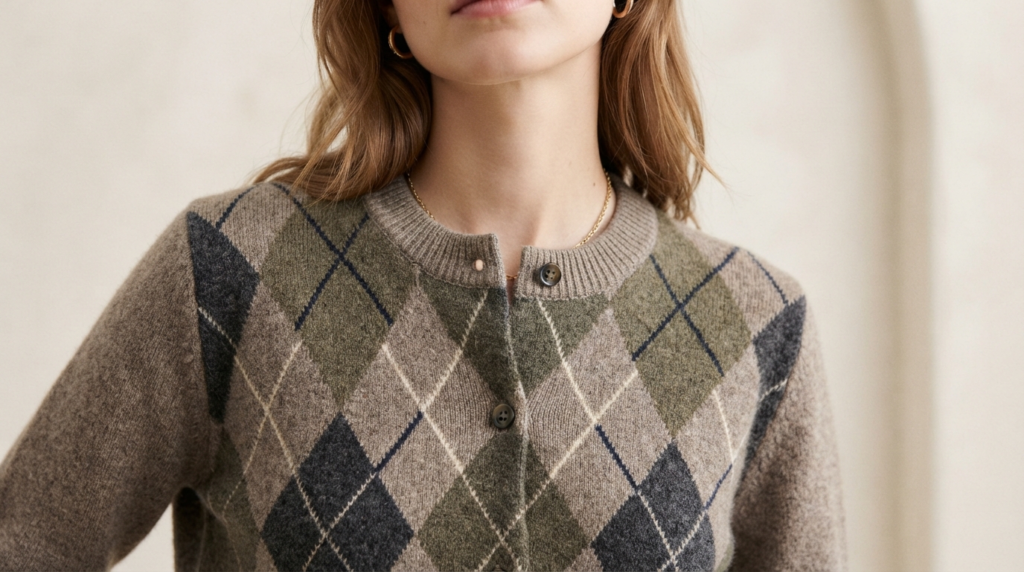
Crisscross diamonds. You clock it instantly. Reads preppy, so it shines on smart-casual days. A collared shirt underneath finishes it.
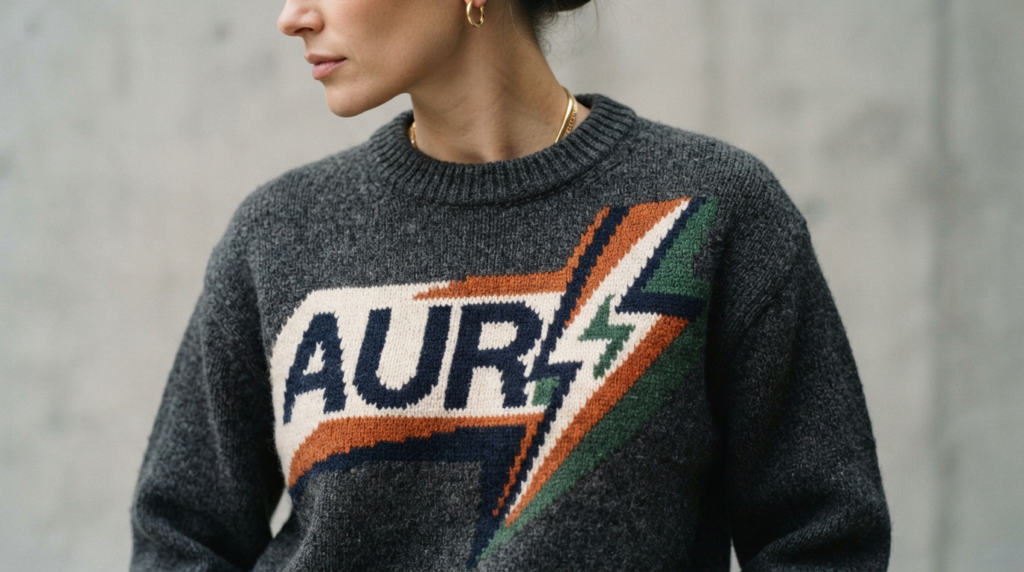
Motifs or logos knitted right in. Great for branded, graphic pieces. The one people photograph. Let the motif talk and keep the styling quiet.
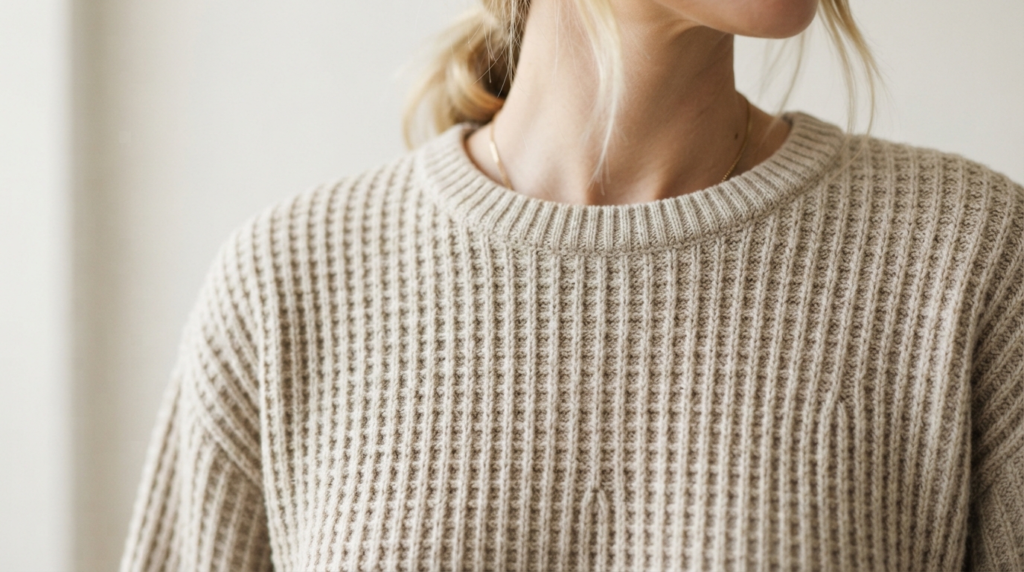
A textured grid you want to touch. Very current. Easy for everyday wear. The texture earns its keep, so plain trousers are all it needs.
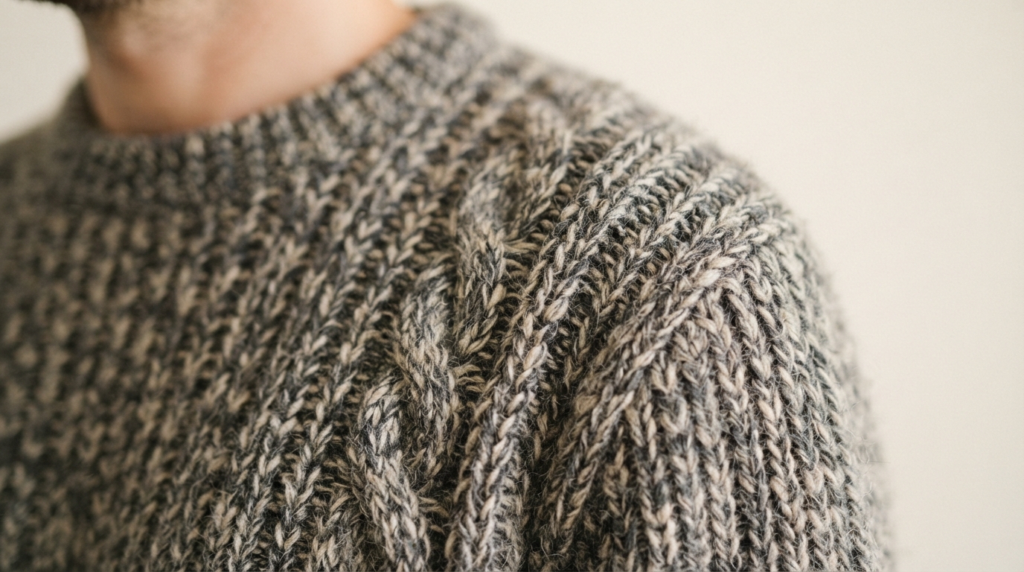
Two yarn shades twisted together. That worn-in look. A relaxed weekend pick. Throws on with joggers or jeans and never tries too hard.
Before a knit goes into a tech pack, figure out if it should even be a knit. The difference between sweater and sweatshirt is construction, not looks, and construction drives your cost. Sort the difference out early and your marketing people can describe products straight, which buyers pay back in fewer returns.
How a piece opens and closes is its own category. These are the different types of knit sweaters sorted by build, not pattern.
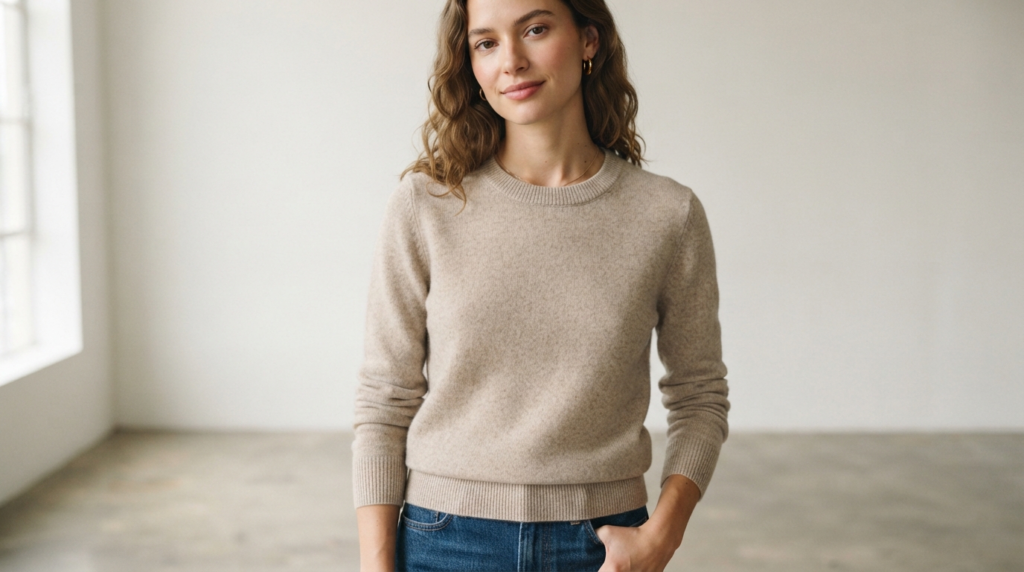
No opening, you pull it over your head. The default, and what most people picture when they say sweater. Fine for work or weekends. Layer it over a shirt or wear it bare, it doesn’t care.
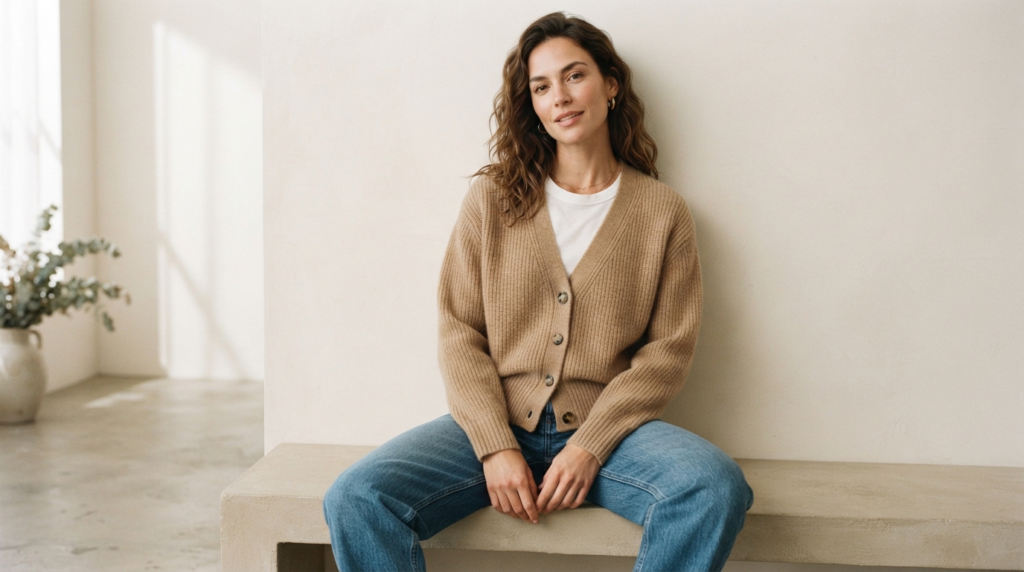
Front-opening, buttons or a zip, the layer you take on and off all day. Office mornings, cool evenings, anything between. Drape it over a tee, or button it up and treat it as the top.
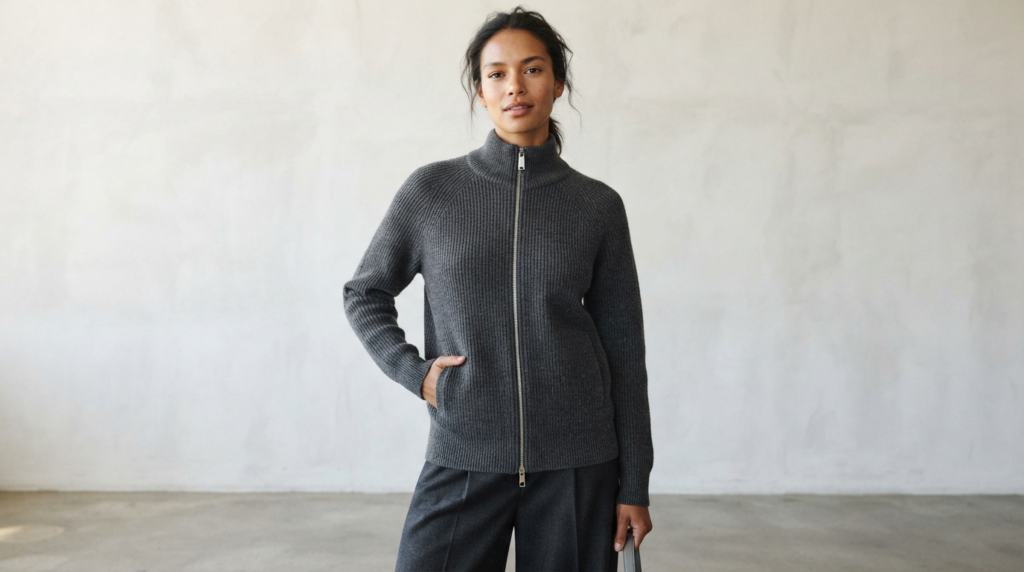
Opens fully down the front with a zip. Handy when the day swings warm to cold. Half-open over a tee for casual, zipped to the chin when the wind picks up.
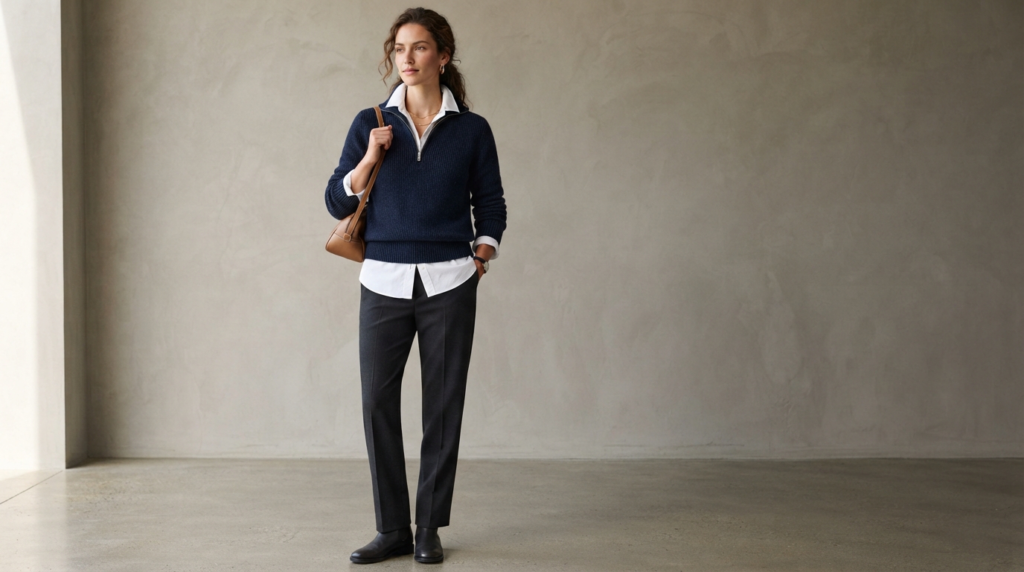
A short zip at the neck and nothing more. The sporty-smart one. Good for the office, the golf course, travel days. Wear it over a collared shirt with the points peeking out.
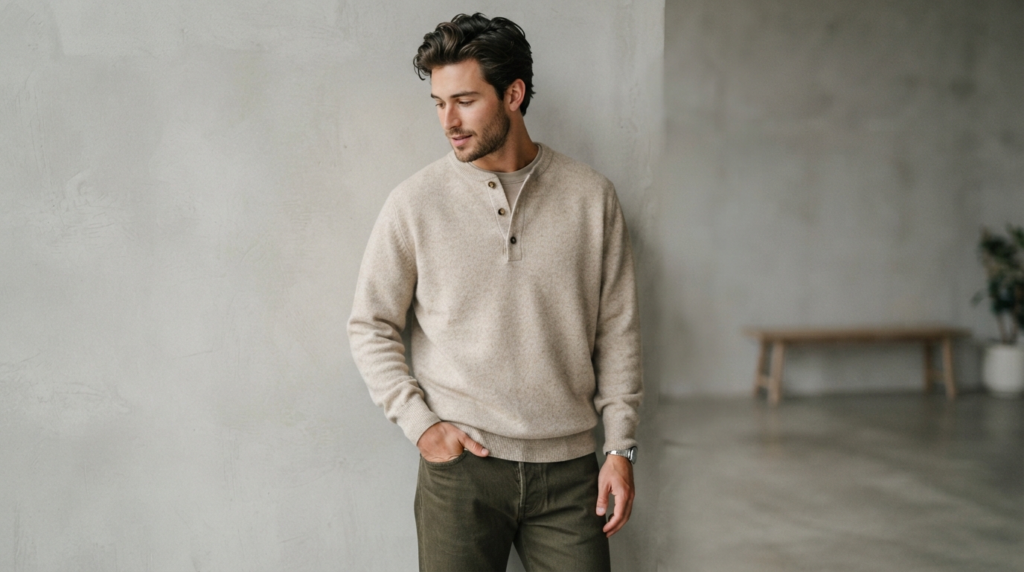
A short, buttoned placket at the neck, no collar. Relaxed but still considered. Made for weekends and casual Fridays. Leave the top buttons open and keep it easy.
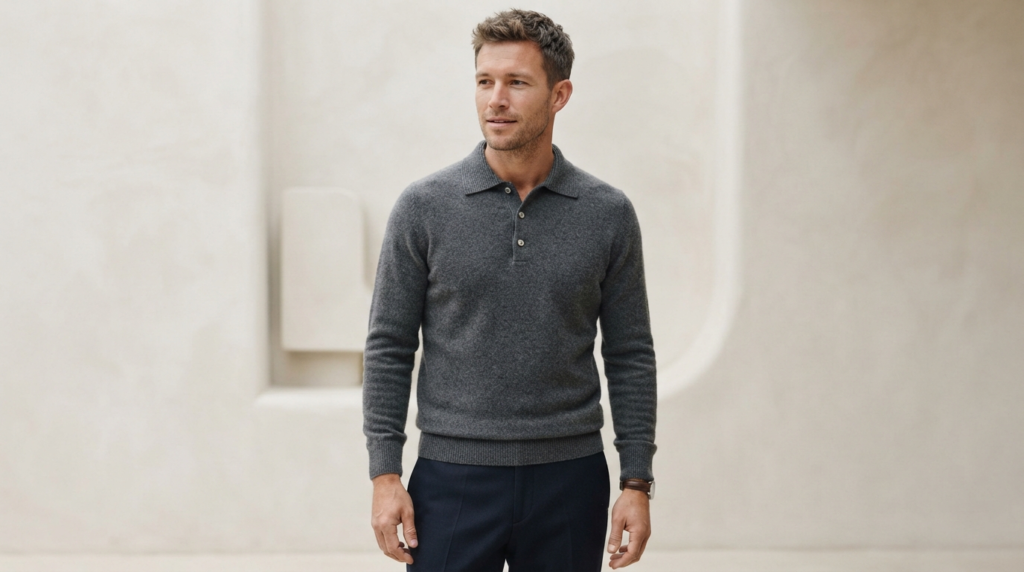
A knit polo, collar and a short placket. Smart-casual without trying. Suits dinners, the office, milder days. Tuck it into trousers for a cleaner line.
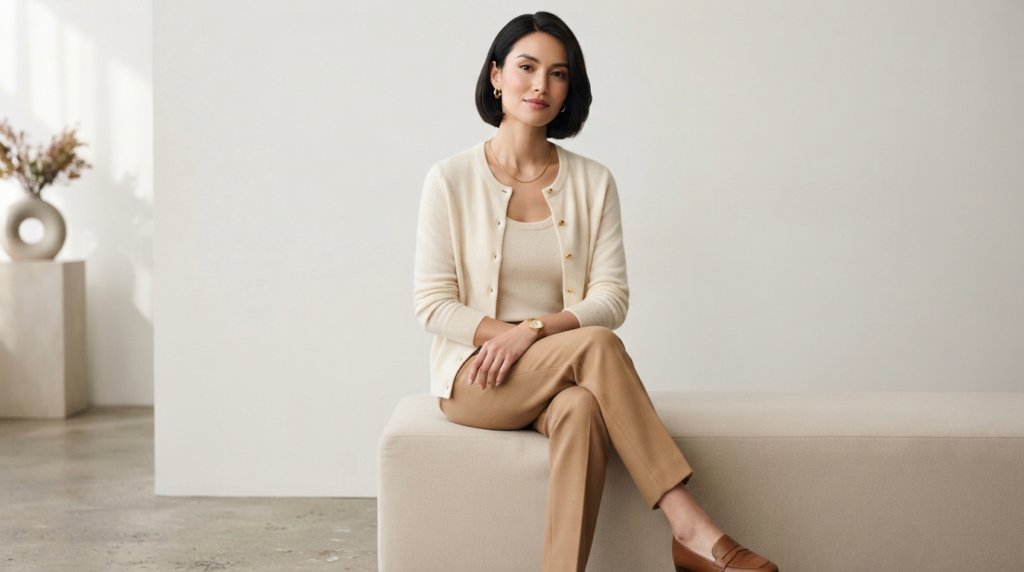
A matching shell and cardigan worn together. Old-school polish that keeps coming back. Built for the office and dressier daytime events. Wear the pair or split it and use the pieces apart.
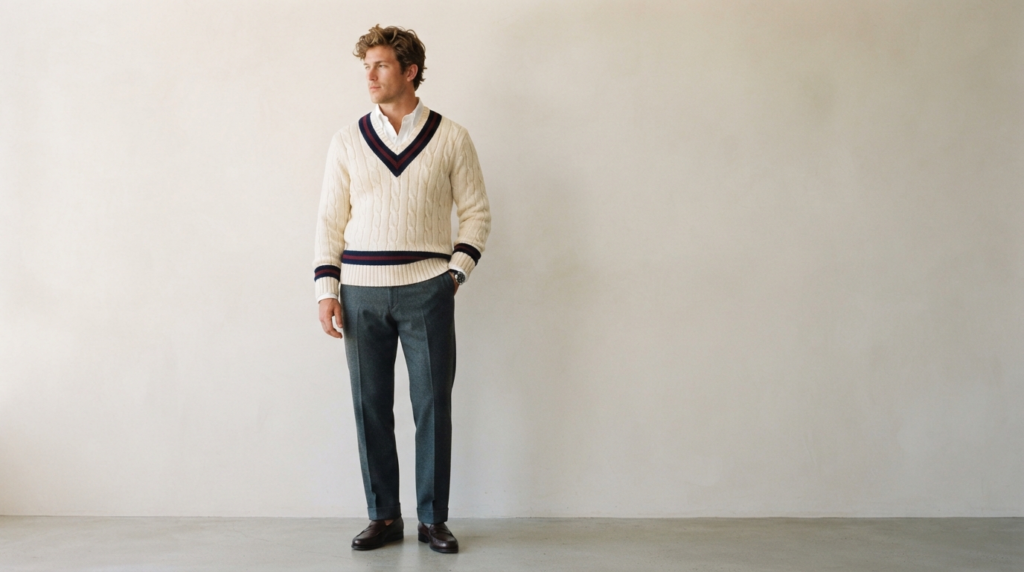
Cream knit with contrast stripes at the V-neck and cuffs. Heritage sportswear, preppy to the core. Good for smart-casual days and spring layering. Over a collared shirt, with chinos.
Now the feel and the cut. Gauge, weight, and shape change a knit as much as any stitch does.
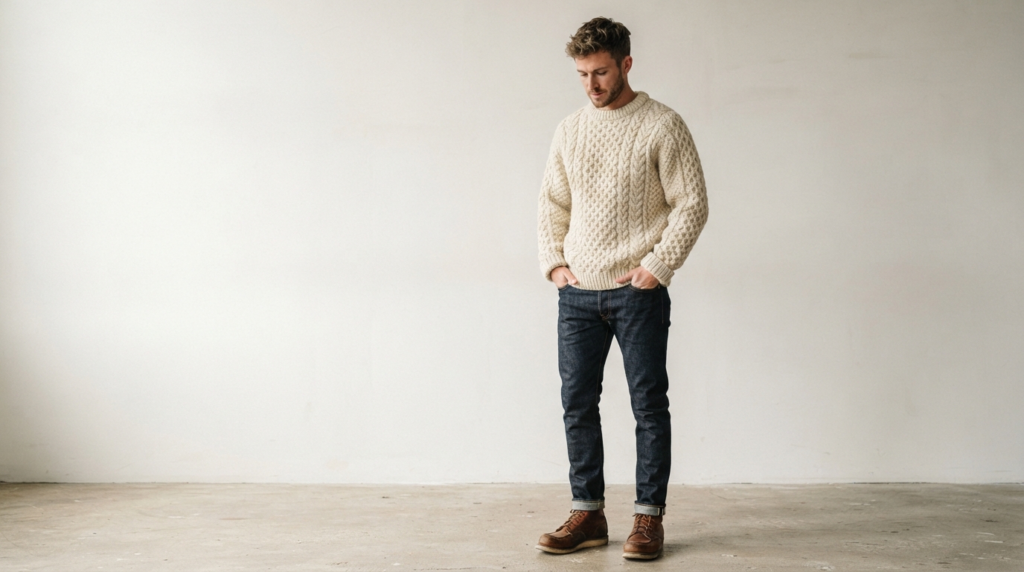
A heavy cream knit, dense cables, made to block the cold. Built for proper winter and the outdoors. Jeans and boots and let it be the whole look.
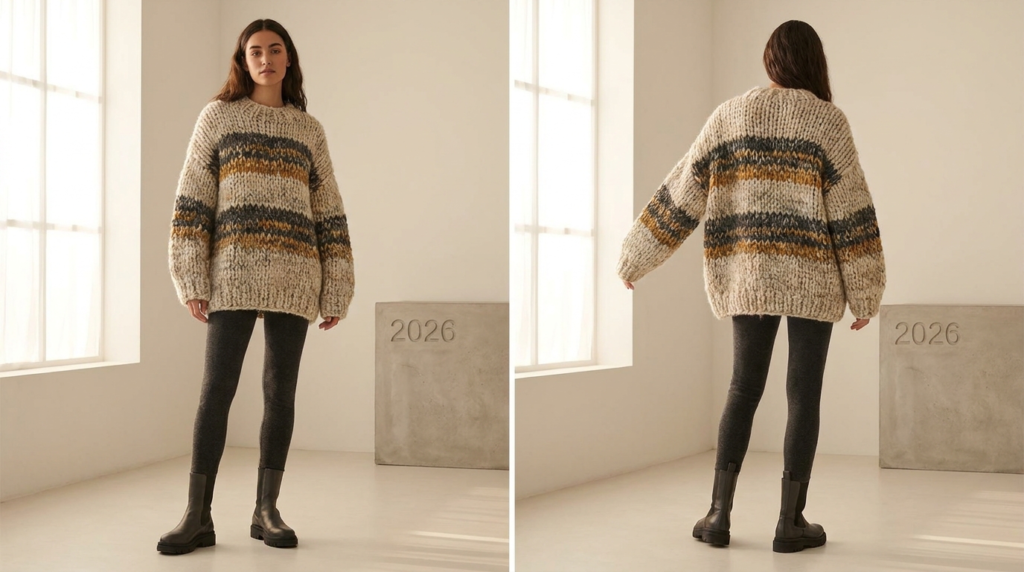
Thick yarn, fat stitches, maximum cozy. The one for the coldest, laziest days. Wear it loose over leggings or balance the bulk with something slim on the bottom.
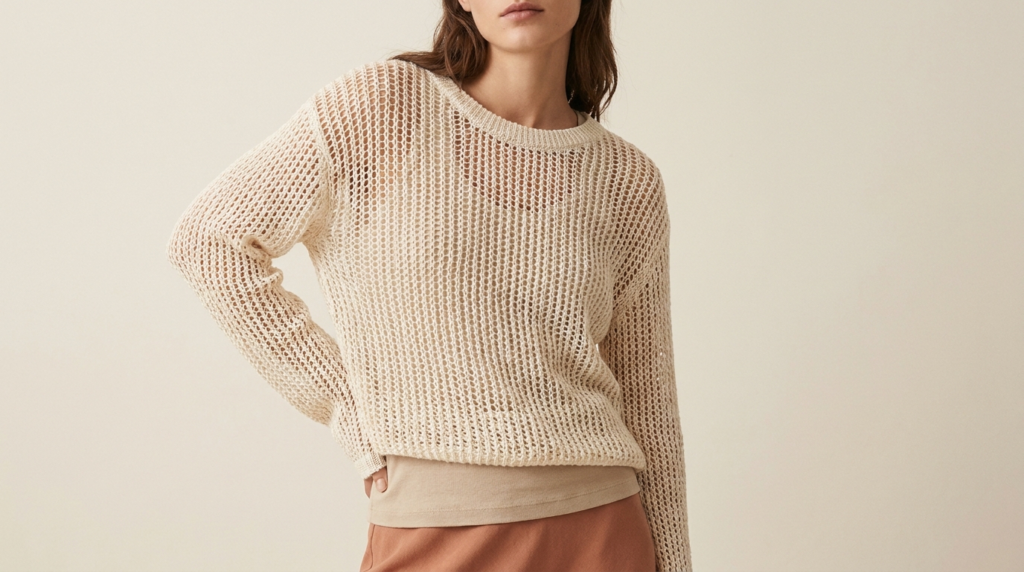
Loose, airy stitches with gaps in the weave. A transitional-season piece. Layer a tank or bralette underneath and let the knit breathe.
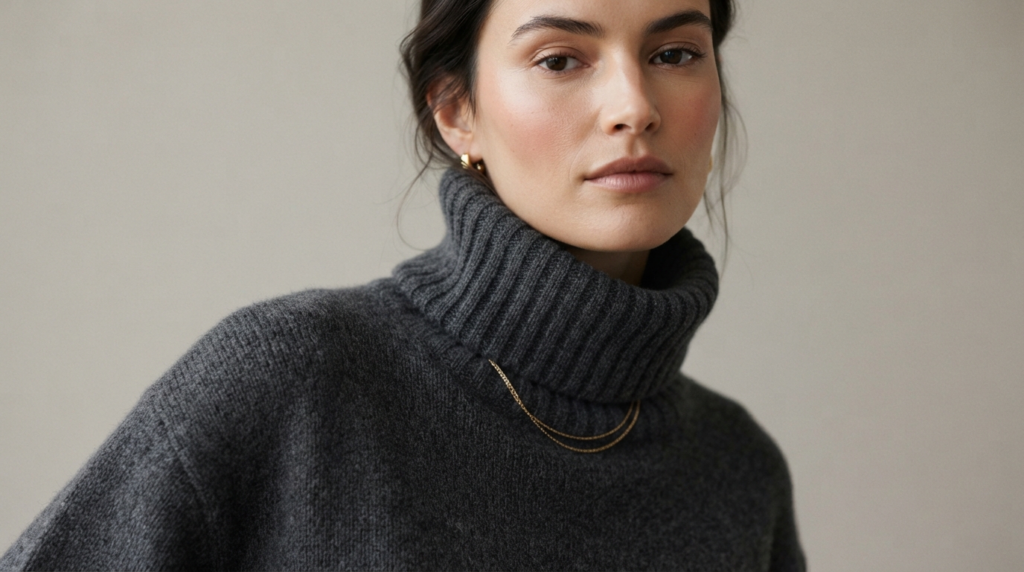
A turtleneck by another name, the neck folds over high. Best on cold days and dressier evenings. Slim ones slide under a blazer; chunky ones stand alone.
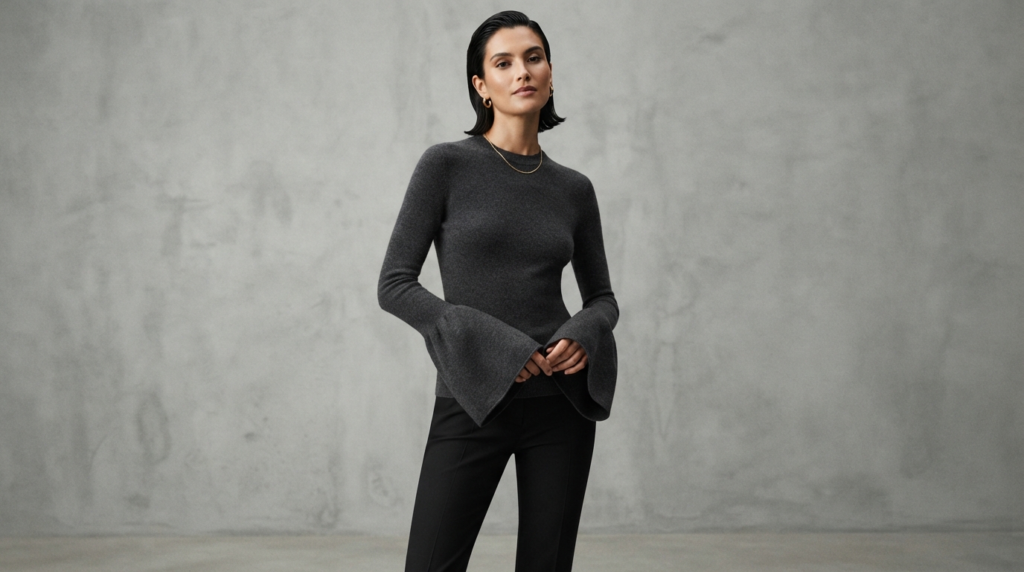
Fitted through the body, flaring wide at the wrist. A bit of drama for going out. Keep the bottom half simple and let the sleeves move.
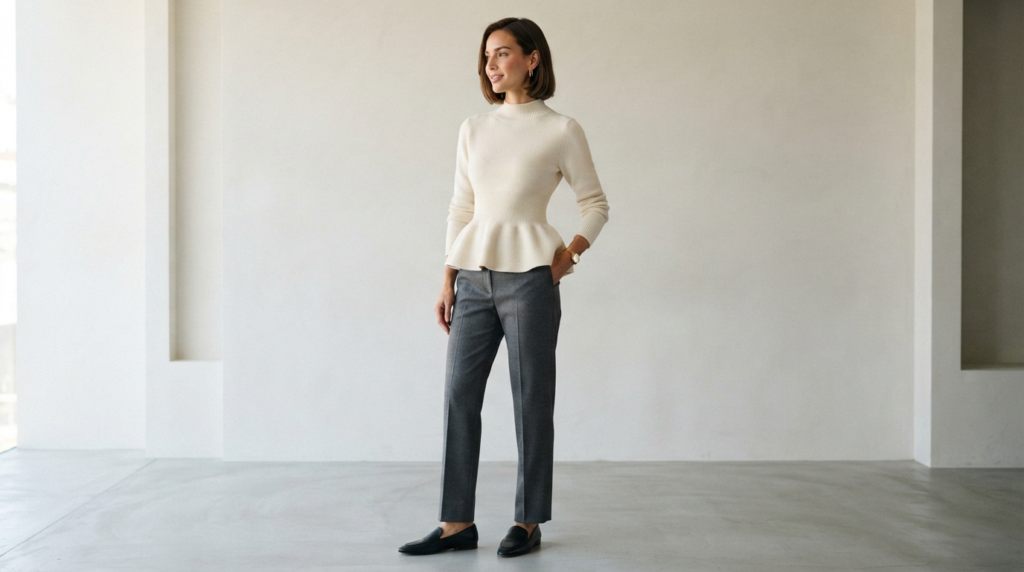
Nipped at the waist with a short, flared frill below. Flatters and dresses up fast. Pair it with a pencil skirt or straight trousers for work or evening.
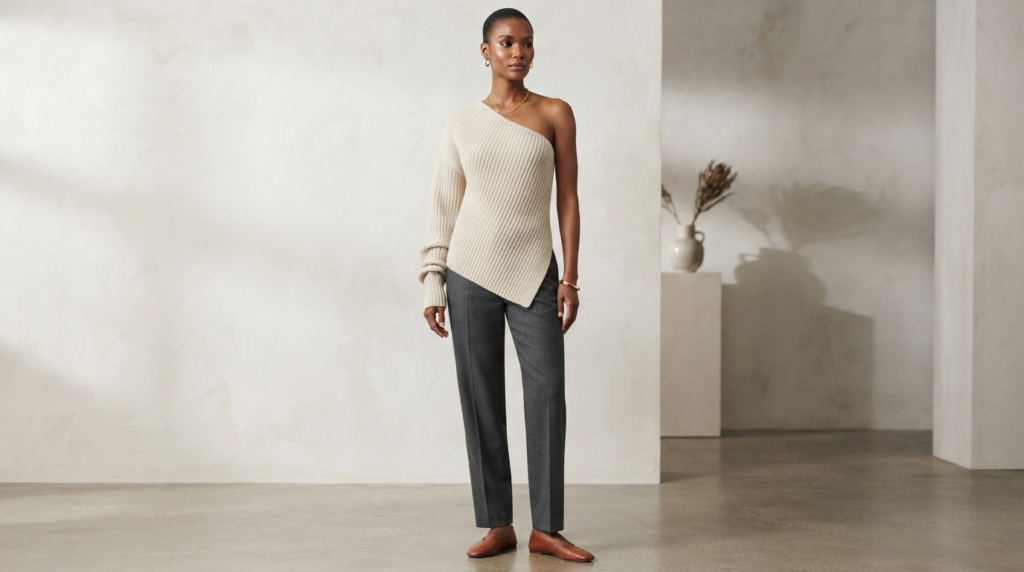
An off-kilter cut, one shoulder bare or a slanted hem. The statement piece. Let it lead and keep everything else plain.
Women’s knitwear sets the pace for the trend cycle. So this is usually where the first dollar lands.
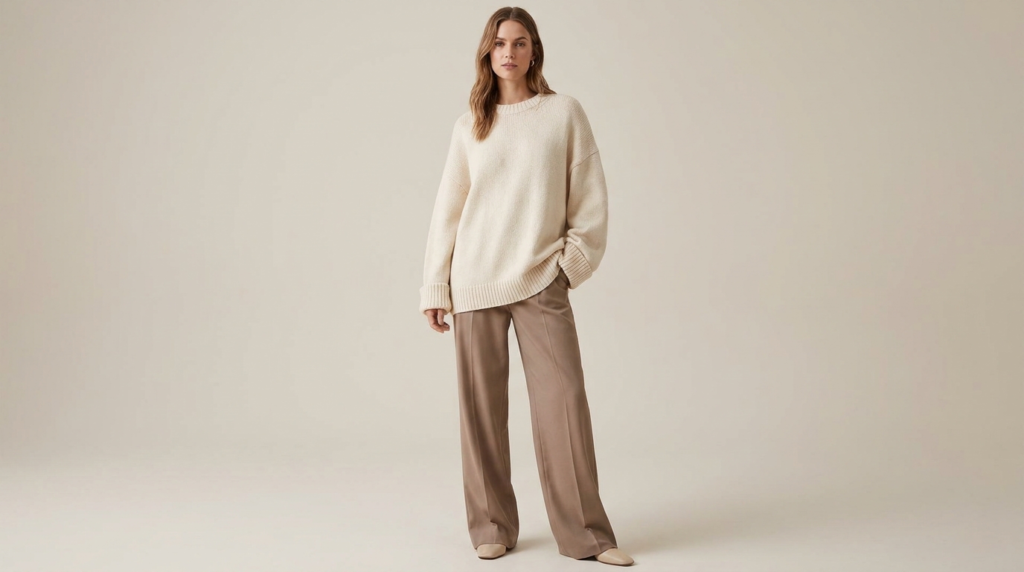
Slouchy, easy, and the shape of the year. Bike shorts or wide-leg trousers under it.
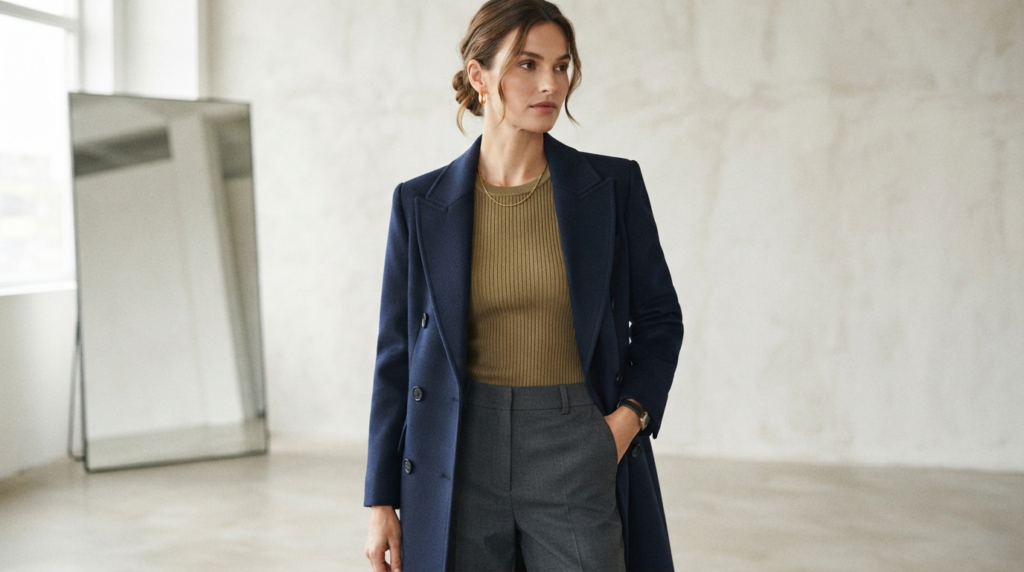
Body-skimming, sharp. Goes under a tailored coat for the office.
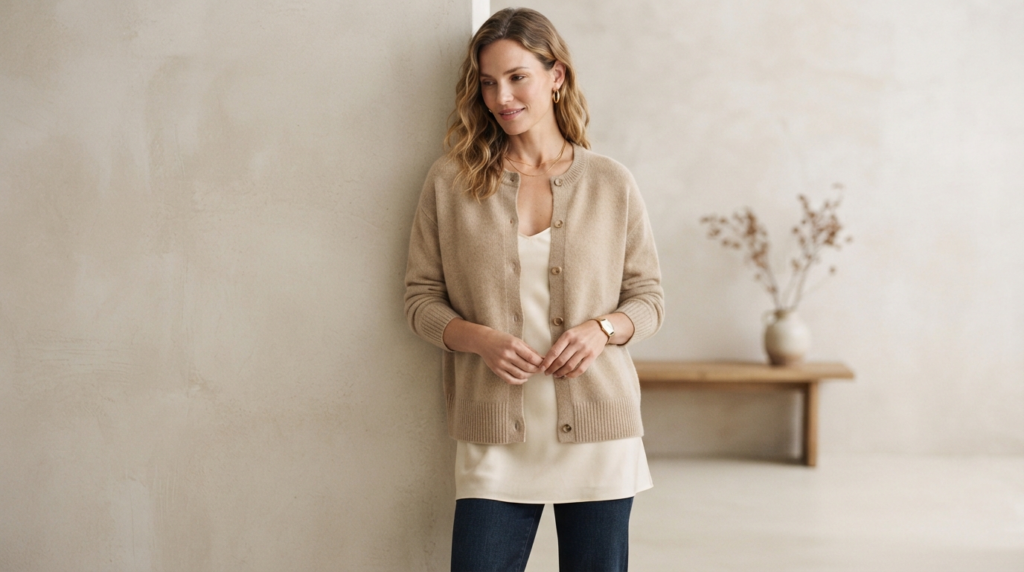
Front-opening, layers over anything. Over a slip dress or buttoned up as the top.
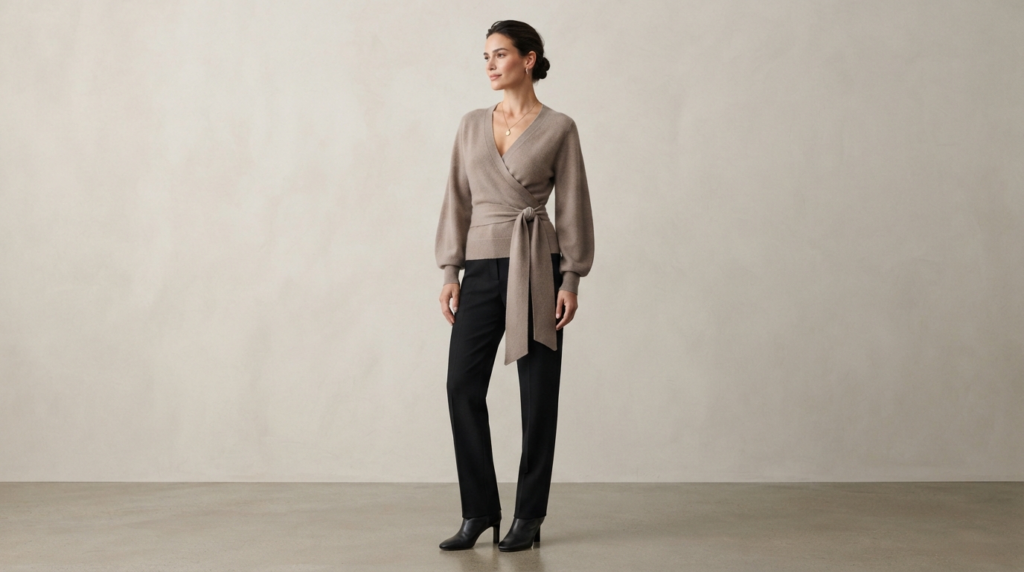
Ties at the waist, flattering cinch. Reads elegant at night.
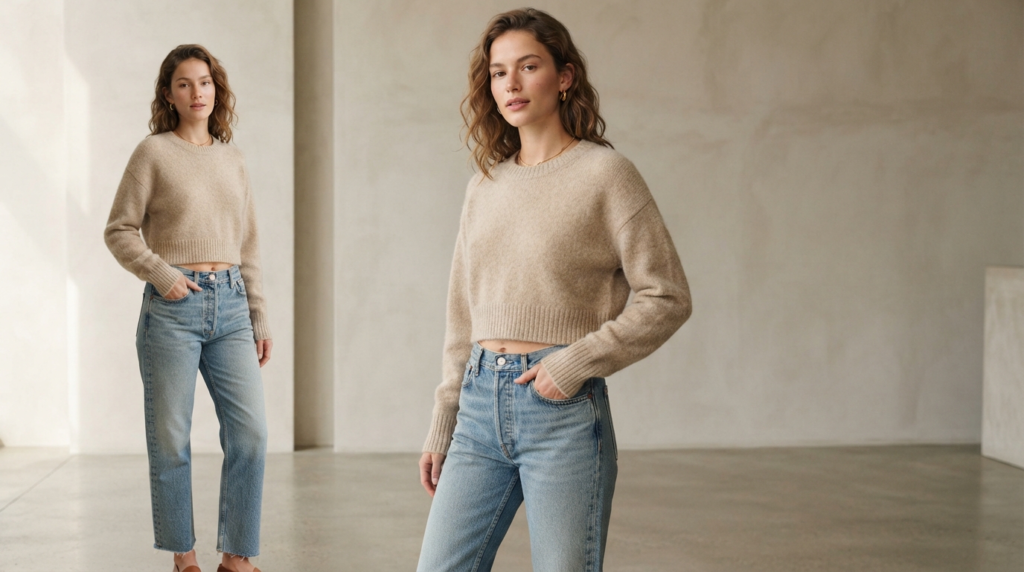
Short cut, soft fiber. High-waisted denim and you’re done.
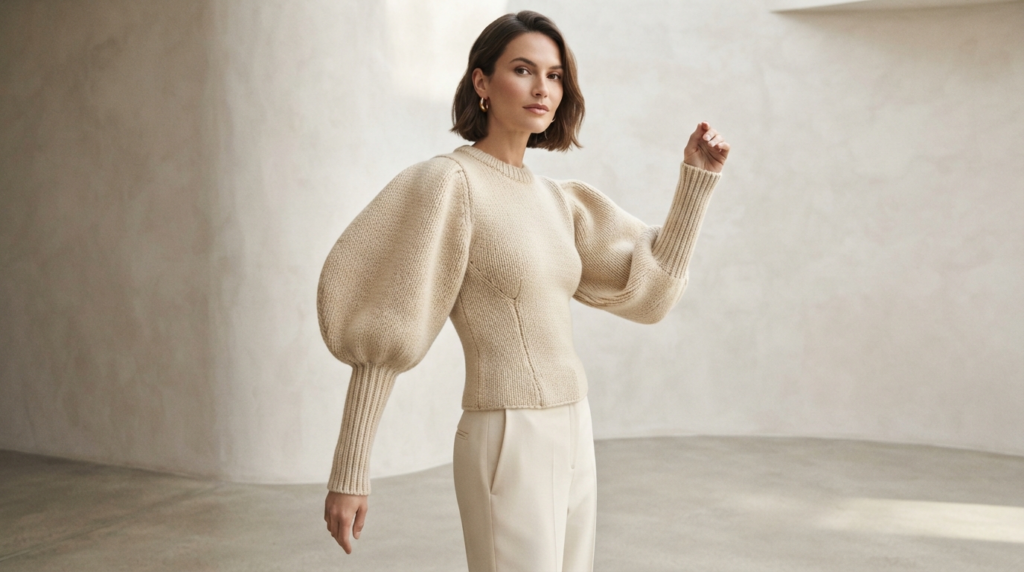
Big on top, fitted below. Needs almost nothing else.
Past the shapes themselves, it helps to think in looks. The same women’s sweater styles pull very different duty depending on what you wear them with, and the same knit sweater types can read office-sharp one day and street-loose the next. If you’re mapping out types of sweaters for women across a wardrobe, this is the practical breakdown.
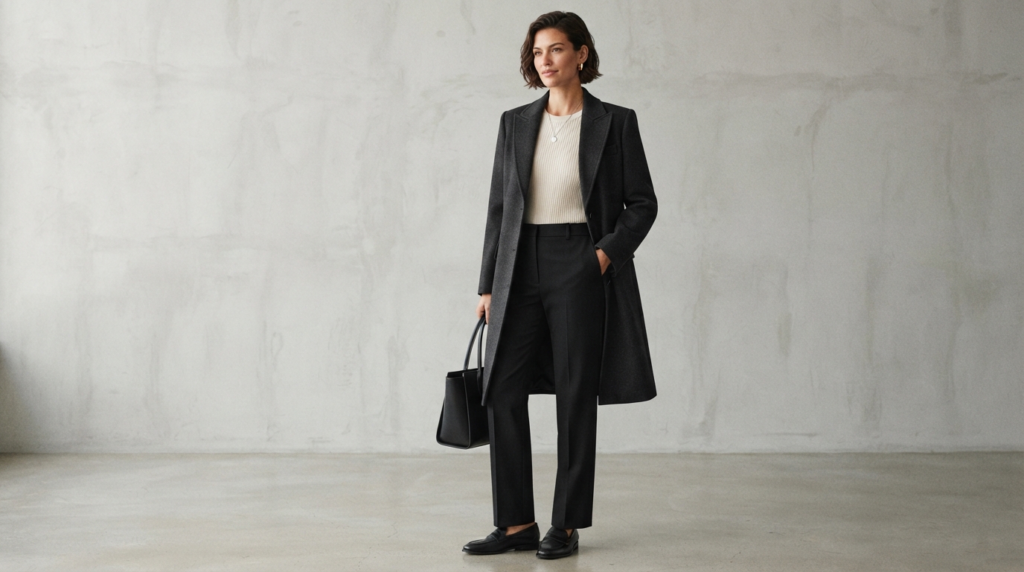
A fitted ribbed top under a tailored coat, or a fine merino crew with trousers. Keep the colors quiet and the fit clean.
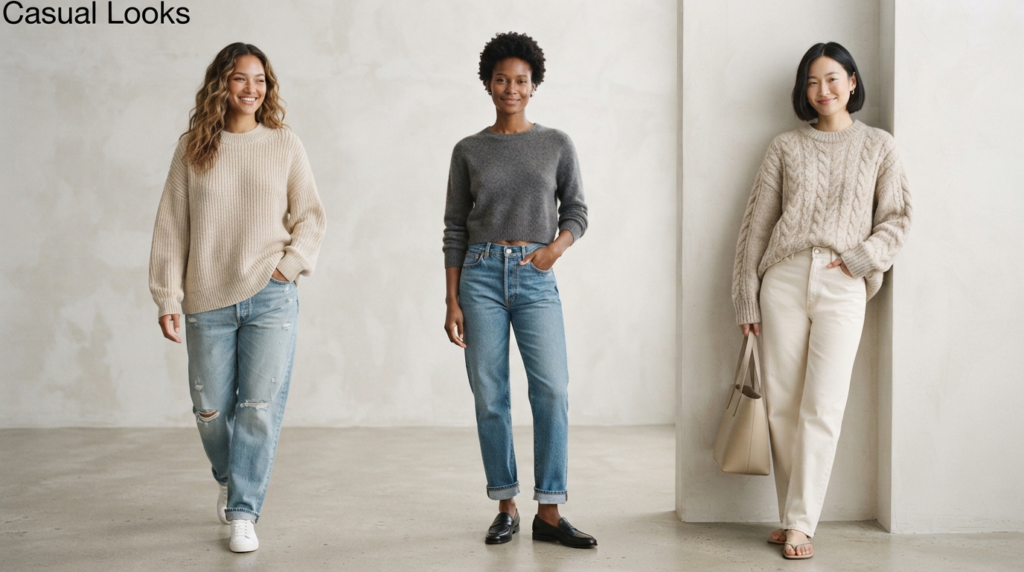
An oversized boyfriend knit with jeans, or a cropped cashmere over high-waisted denim. Easy, soft, nothing forced.
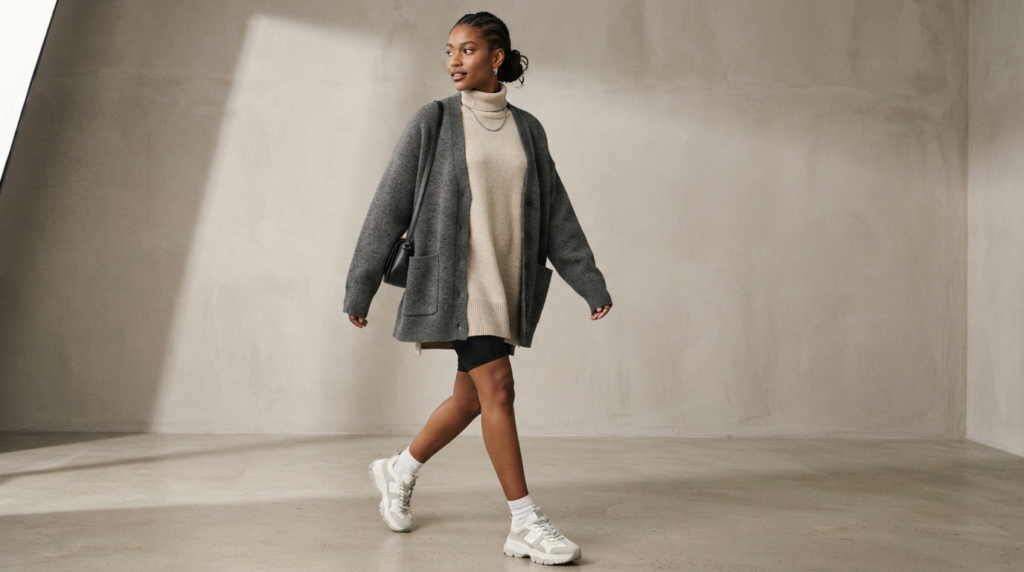
A longline knit over bike shorts, chunky trainers, an oversized cardigan thrown on top. Layers and volume do the work.
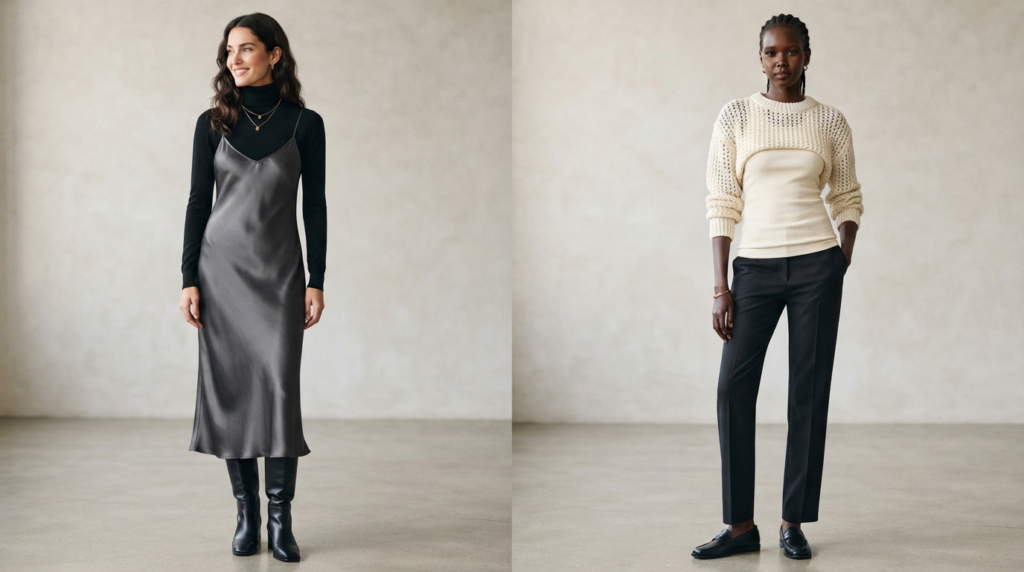
A thin rollneck under a slip dress, or an open knit over a tank. Build warmth without killing the shape.
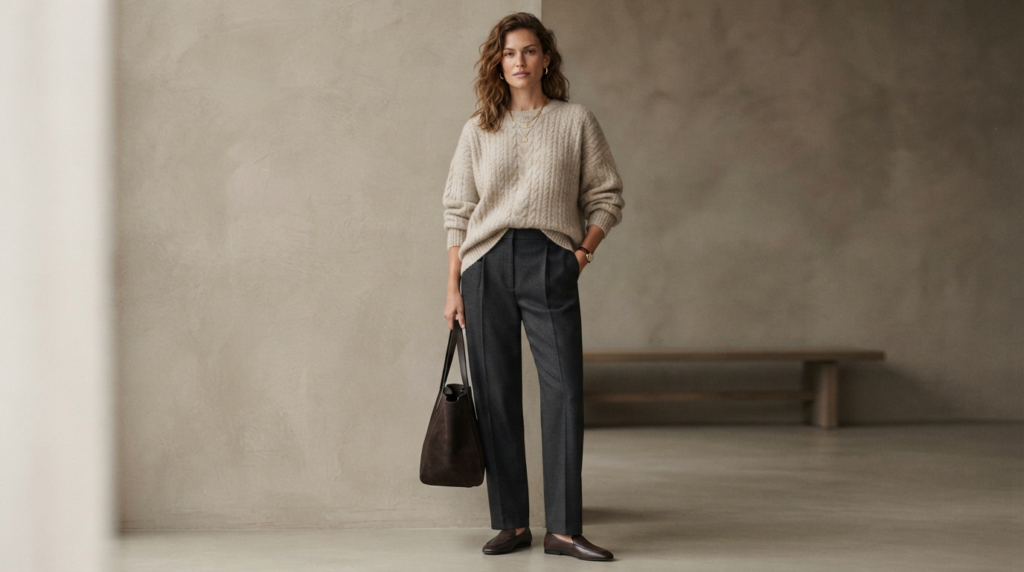
Cashmere or alpaca in a neutral tone, worn with tailored pieces. The fabric is the flex, so keep the rest simple.
Three directions are pulling at the market this year. Oversized streetwear. Sustainable fabrics, recycled wool, organic cotton. And luxury knits where you can see the work. Brands winning right now fold all three into one piece. A recycled-fiber oversized cardigan, finished properly, hits every note a 2026 buyer wants.
Those three directions split into a handful of trends worth sourcing around.
Here’s what’s moving.
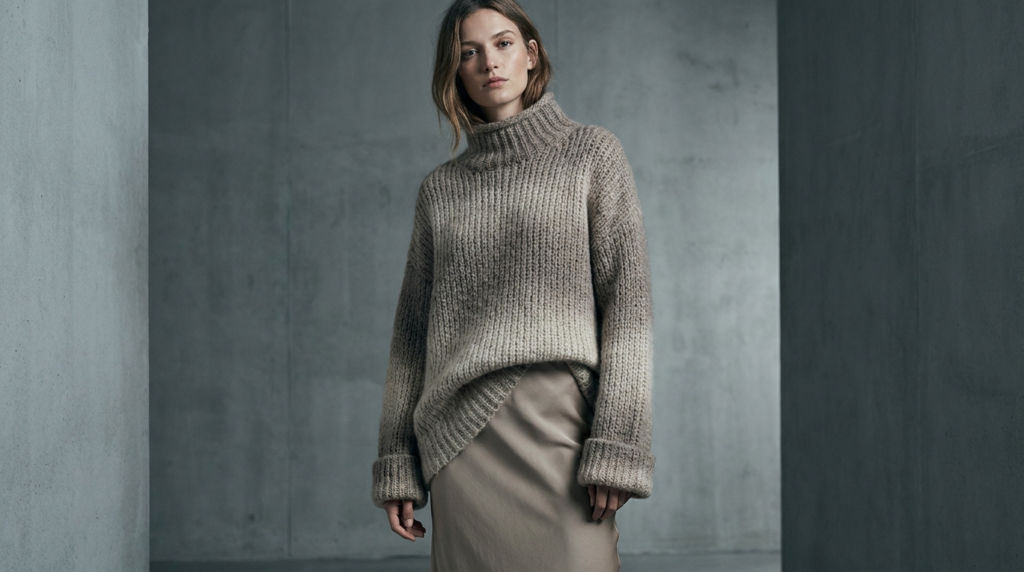
Big shapes in good fiber. The slouch stays, but the yarn does the talking now.
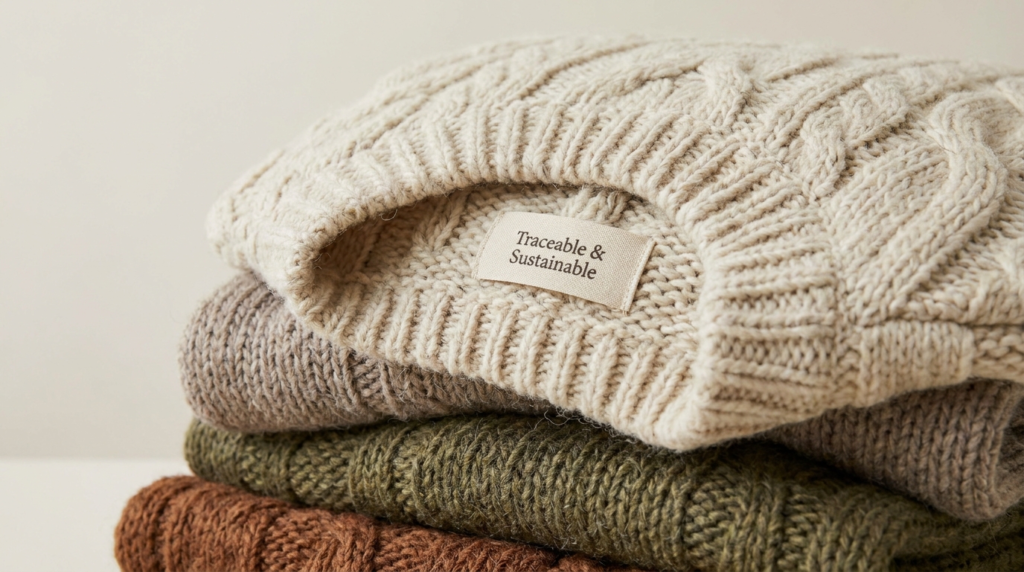
Shoppers read the label before the price tag. Traceable, low-impact fiber is no longer a nice-to-have.
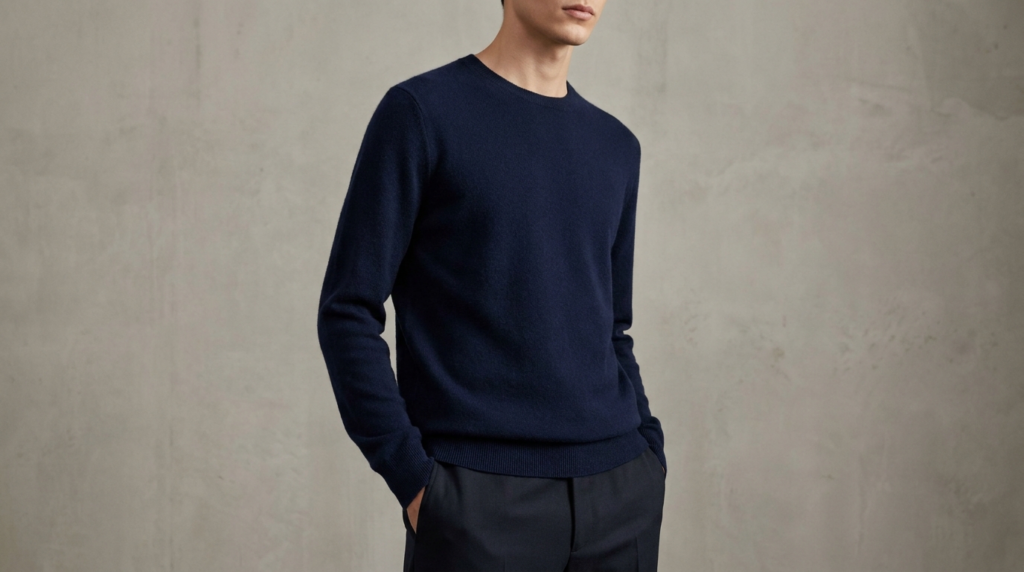
Lighter, year-round, and an easy sell to buyers who want natural without the wool weight.
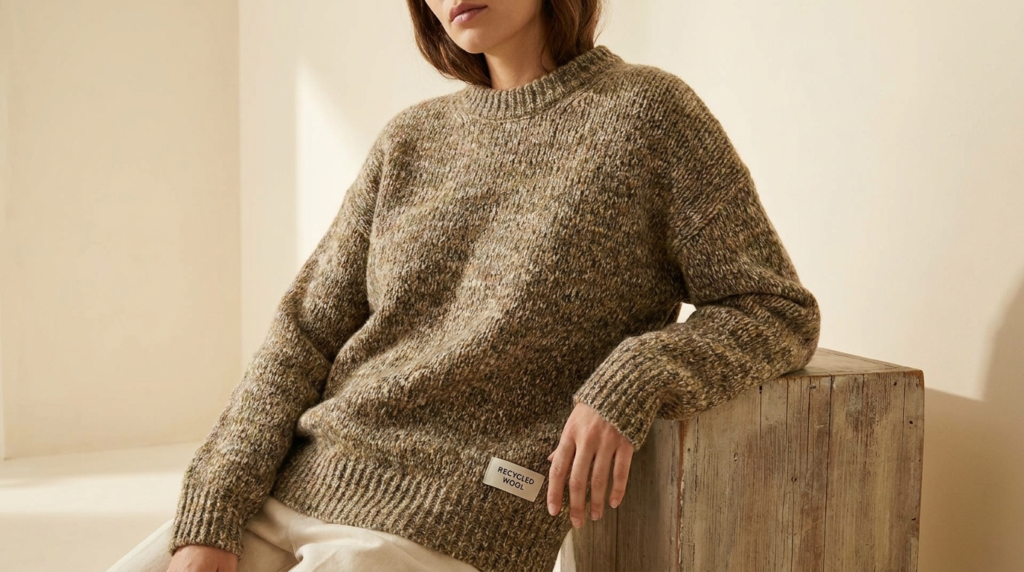
Same warmth, smaller footprint. It lets you tell a sustainability story without pushing the price up much.
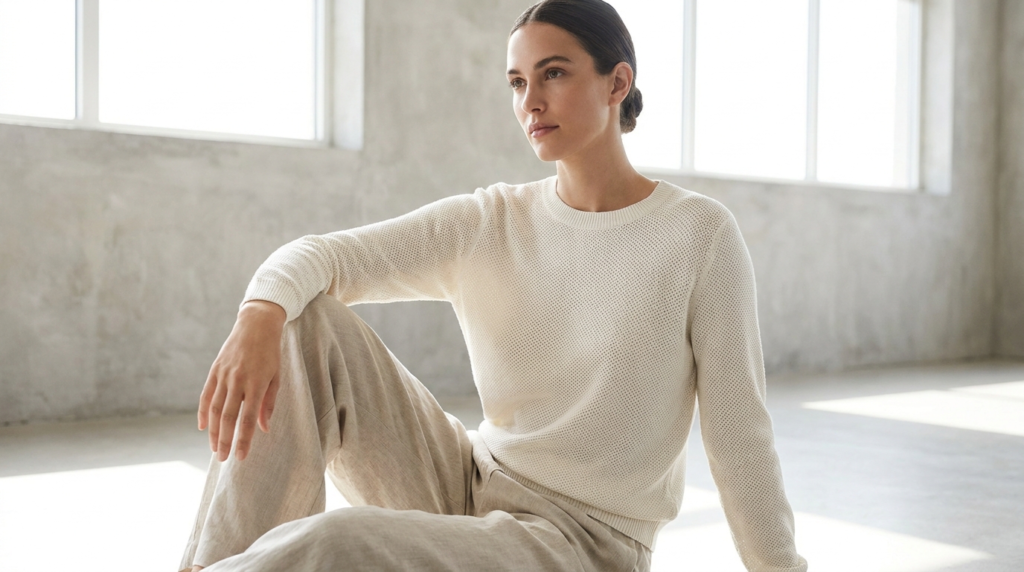
No logos, no noise. Just clean lines and fabric that feels expensive in the hand.
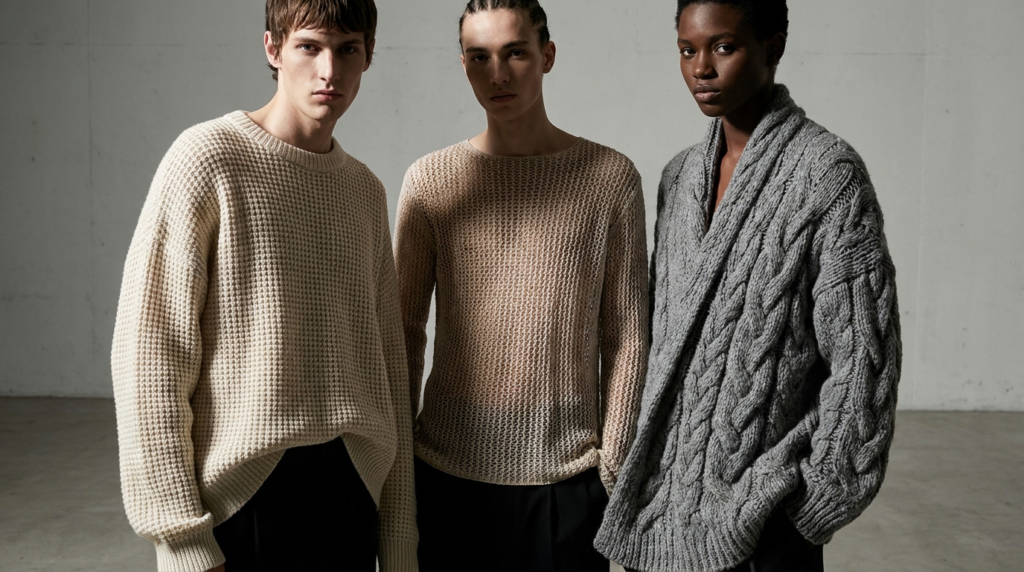
Waffle, open-knit, heavy cables. Surface interest is doing the heavy lifting this season.
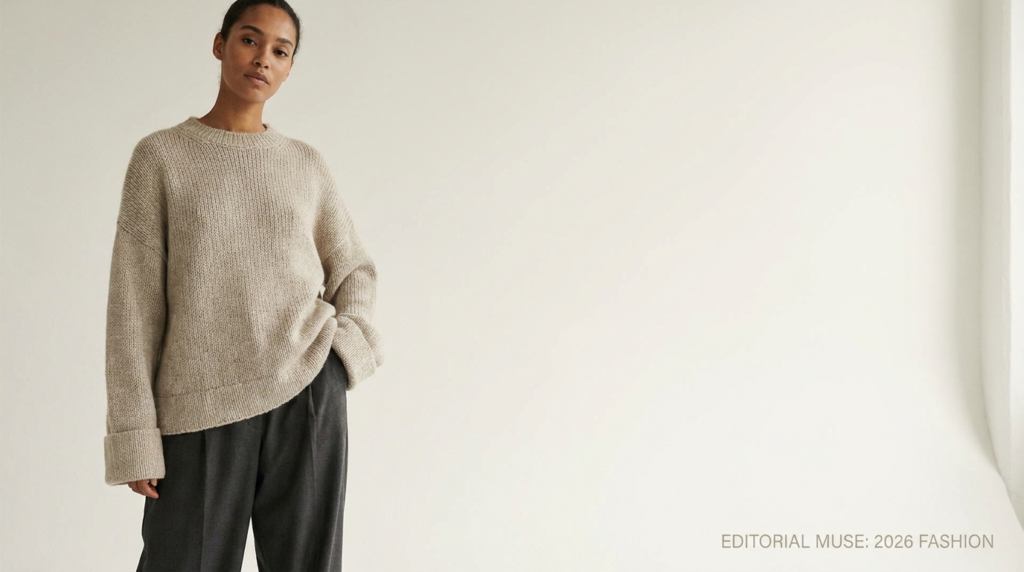
Boxy, mid-weight, built to fit anyone. One block, a wider market.
One bit of vocabulary still trips people up, shoppers and new founders both. Fleece tops keep getting called sweaters. Sorting what is a sweatshirt clears it fast: a sweatshirt is cut and sewn from looped-back fabric; a sweater is knitted from yarn. Different animals. Carrying both in your range? Our sweatshirt manufacturing setup runs that side end to end, and sweatshirt manufacturing sits right beside knit production anyway, so one partner covers it. Knowing what is a sweatshirt versus a knit also keeps your copy honest, which saves you a stack of returns later.
Four buckets. Collar, length, material, pattern. Most pieces pull from more than one.
Crewnecks, cardigans, turtlenecks, cable knits. They don’t leave.
Cable, Fair Isle, Aran, argyle, ribbed, intarsia, marled. The ones people recognize.
Sweaters are knitted from yarn. Sweatshirts are sewn from fabric. Different build, feel, price.
Cashmere and alpaca, warmth without the weight. Wool’s close behind and cheaper.
A sweater isn’t just a cold-weather grab anymore. It’s how a brand signals taste and quality in a market full of sameness. Get the collar, length, material, and pattern right and you’ve got a piece that earns its keep all winter. Looking for fabrics? Check out our guide to types of fabrics and start your next collection on the right material from the first stitch.
Introduction Towels are the quiet workhorse of home, hospitality, and retail. Nobody...
Leggings carry more weight than any other product in an activewear line....
A hat looks simply until you must specify one. Panels, sweatband, closure,...
Shorts sit in more categories than almost any other garment: gym, beach,...
Introduction A tank top is about as simple as clothing gets. Two...