Best Fabric Types for Hats: A Complete Guide for Brands
A hat looks simply until you must specify one. Panels, sweatband, closure,...
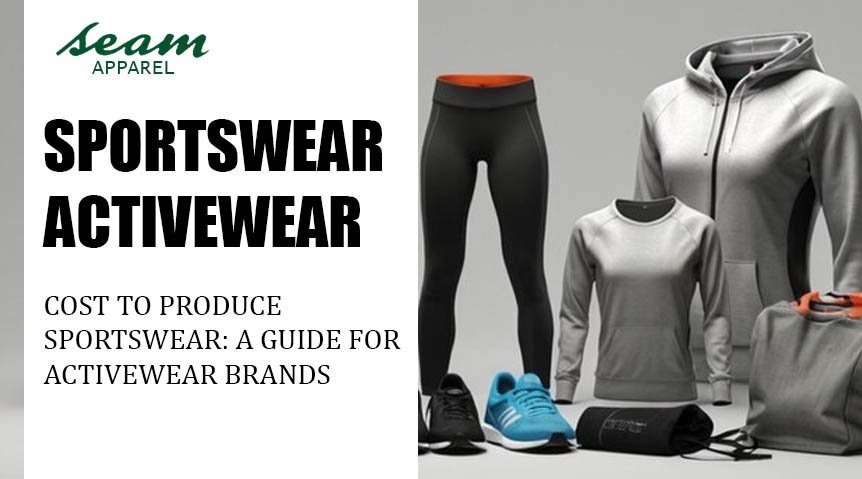
The global activewear market is expanding fast, and it is not showing any signs of stopping. Athleisure has moved from gym floors into everyday life, and the brands capturing that growth are the ones who understand their production costs before placing an order. Working with the right sports apparel manufacturer matters — but knowing what drives your per-unit cost before sampling even starts matters just as much. This guide breaks down every cost factor, so nothing surprises your mid-production.
Sportswear pricing is the result of several factors working together:
Polyester fabric is the backbone of performance sportswear. It wicks moisture, dries fast, holds shape, and resists shrinking — the properties that performance garments require. The price of standard performance polyester is $3 to $6 per yard. Leggings, compression shorts and fitted tops are made using polyester fabric that is 10% to 20% stretch, which is $5 to $10 per yard depending on the amount of spandex and weight of the fabric. Nylon-spandex blends run $6 to $12 per yard and offer a bit more durability and a silkier hand feel than premium brands like nylon, which are the most durable and expensive. Cotton blends are used in casual gym basics but are not ideal for high performance applications due to their moisture retention.
The Ultimate Guide to Starting a Maternity Activewear Business
Not every activewear garment needs every performance treatment, and misapplying specs is one of the easiest ways to waste budget:
Apply the right spec to the right garment. Over-specifying basics costs money that the customer never notices.
The cutting and sewing of stretch fabrics is different from wovens. Labor time includes serger machines for flatlock seaming, cover stitch machines for clean hem finishes, and problems with feeding stretchy material without distortion. The labour cost of a basic performance top or shorts is $2 to $5 per unit. Technical compression pieces and multi-panel leggings cost $5-$9. The wearer will immediately notice any errors in the construction of the stretch, such as twisted seams, off-spec sizing, uneven tension, and more, and it can be difficult to conceal.
Sportswear customization often Favors sublimation over other print methods because it does not compromise the stretch or breathability of the fabric. A sublimation printing service for all-over design on a performance top adds $3 to $8 per unit depending on artwork complexity and garment coverage. Sublimation printing is only compatible with fabrics that contain a high amount of polyester, so it is a natural fit with the fabrics that activewear brands are already using. Screen printing and heat transfer are less expensive initial costs but will crack and peel with athletic use and repeated washing. Logos on outerwear items are embroidered on the garment and will cost $1 to $3 per piece. The cost of custom labels, hangtags and branded packaging is $0.50 to $1.50 per unit.
| Order Size | Estimated Per-Unit Cost (Basic Performance Top or Leggings) |
|---|---|
| Under 200 units | $14 to $22 |
| 200 to 500 units | $9 to $14 |
| 500 to 1,000 units | $7 to $10 |
| 1,000+ units | $5 to $8 |
Pattern making for a modern style costs $150 to $400. Two sample rounds add $250 to $500. Every fixed cost divide across your order volume — lower quantities mean each unit carries more of the setup expense. For a new activewear brand, proving one or two hero styles at controlled volume beats launching a full collection at once.
The custom leggings manufacturing cost breakdown follows the same structure as what is outlined here. If you are budgeting a full activewear line, leggings manufacturing cost planning covers the same fabric, labour, and MOQ variables — useful as a cross-reference when you are projecting across multiple styles.
Tech pack development and pattern grading add $300 to $800 for a modern style. Fabric minimums at the mill sometimes require purchasing more yardage than a small run needs. Shipping and import duties for international production add 10% to 15% on top of production cost. None of these are optional and none appear in a standard initial quote.
Three things that genuinely help:
Underspecifying fabric in sportswear shows up fast. Leggings that go see-through under tension, tops that lose shape after five washes, compression shorts that lose their hold after a month — these are not recoverable situations for a brand in its initial stages. The cost of getting the spec right is a fraction of the cost of managing returns and reputation damage afterward.
Seam Apparel works with activewear brands on runs that require performance fabric sourcing, precise stretch construction, and efficient turnaround. Building a full cost to start a clothing line budget in the activewear category — from sampling through coordination — is part of what Seam Apparel helps brands navigate before production starts. Effective cost to start a clothing line planning for sportswear works when the fabric spec, performance requirements, and MOQ realities are all accounted for together, not assembled separately after the fact. That is the approach a quality apparel manufacturer brings to every project.
A basic performance top or leggings produced at reasonable volume lands between $7 and $14 before shipping. A premium compression or technical garment with performance fabric and all-over sublimation can reach $18 to $28. Getting those numbers right before designing, specs, and sampling is the most valuable thing a brand can do before a single unit goes into production.
A hat looks simply until you must specify one. Panels, sweatband, closure,...

Shorts sit in more categories than almost any other garment: gym, beach,...
Introduction A tank top is about as simple as clothing gets. Two...
Most brands take weeks to develop their colour palette, packaging, and then...

You have spent months perfecting the fit, the fabric, the finish on...